
Summary
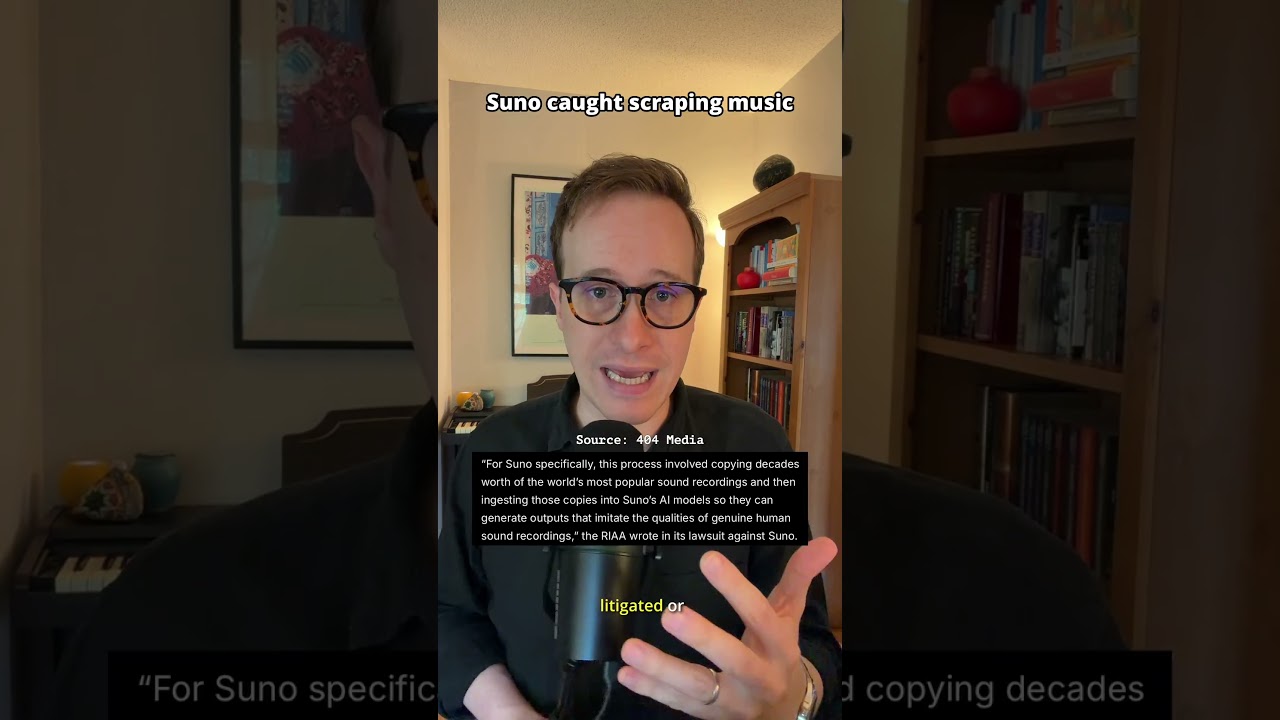
Hacked source code from AI music generator **Suno** allegedly details its use of **YouTube Music**, **Deezer**, and **Genius** for training its models, according to a report by **404 Media**. This leak, obtained by a hacker who breached Suno, reportedly includes customer data and payment information, and directly corroborates claims made by **Universal Music Group** and **Sony Music Entertainment** in their ongoing copyright infringement lawsuit. Suno has previously stated its training data comes from music accessible on the 'open internet,' but the leaked code purportedly logs specific volumes of scraped material, including over 2 million music clips from YouTube alone. The revelations could significantly strengthen the music labels' case, particularly their argument that Suno circumvented technological measures designed to prevent unauthorized copying.
Key Takeaways
- Hacked code allegedly reveals Suno scraped YouTube, Deezer, and Genius for AI training data.
- The leak directly supports copyright infringement claims by UMG and Sony.
- Evidence suggests Suno may have circumvented YouTube's copy protection measures.
- The incident also exposed sensitive customer and payment data.
- This case could significantly impact AI training data regulations and artist compensation.
Balanced Perspective
The leaked source code provides concrete evidence that appears to support the music industry's allegations against Suno. The specific data points regarding scraped hours and clip counts from platforms like YouTube and Deezer offer a detailed look into Suno's training methodology. Suno's defense hinges on fair use, but the evidence of direct scraping and potential circumvention of access controls, as alleged by the RIAA, presents a significant legal challenge that will likely be decided in court.
Optimistic View
This leak, while damaging to Suno's reputation, could ultimately lead to clearer guidelines for AI training data. The detailed logs might force a more transparent approach from AI developers, ensuring fair compensation for artists and rights holders whose work is used. This could pave the way for legitimate licensing models, fostering innovation within a more equitable framework for the music industry and AI development alike.
Critical View
This incident highlights a pervasive issue of unauthorized data scraping in AI development, potentially devaluing original creative works and undermining copyright law. If Suno is found liable, it could embolden other major labels and rights holders to pursue aggressive litigation against AI companies, stifling innovation and creating a chilling effect on the development of new creative technologies. The exposure of customer data also raises serious privacy concerns.
Source
Originally reported by Music Business Worldwide