
Contents
Overview
The 19th century in Europe didn't begin with a clean slate; it inherited the revolutionary fervor of the late 18th century. The Napoleonic Wars (1803-1815) were a direct consequence, reshaping political boundaries and spreading French revolutionary ideals, albeit under imperial rule. Following Napoleon's defeat, the Congress of Vienna in 1815 attempted to restore a conservative order, but the forces of change were too potent. The century saw a series of revolutions and uprisings, including the Revolutions of 1848, which challenged monarchical power and fueled demands for constitutional government and national self-determination. The unification of Germany (1871) and Italy (1861-1871) were monumental shifts, altering the European balance of power established at Vienna. Meanwhile, the British Empire solidified its global dominance, and other European powers, like France and Russia, expanded their colonial reach across Africa and Asia.
⚙️ How It Works
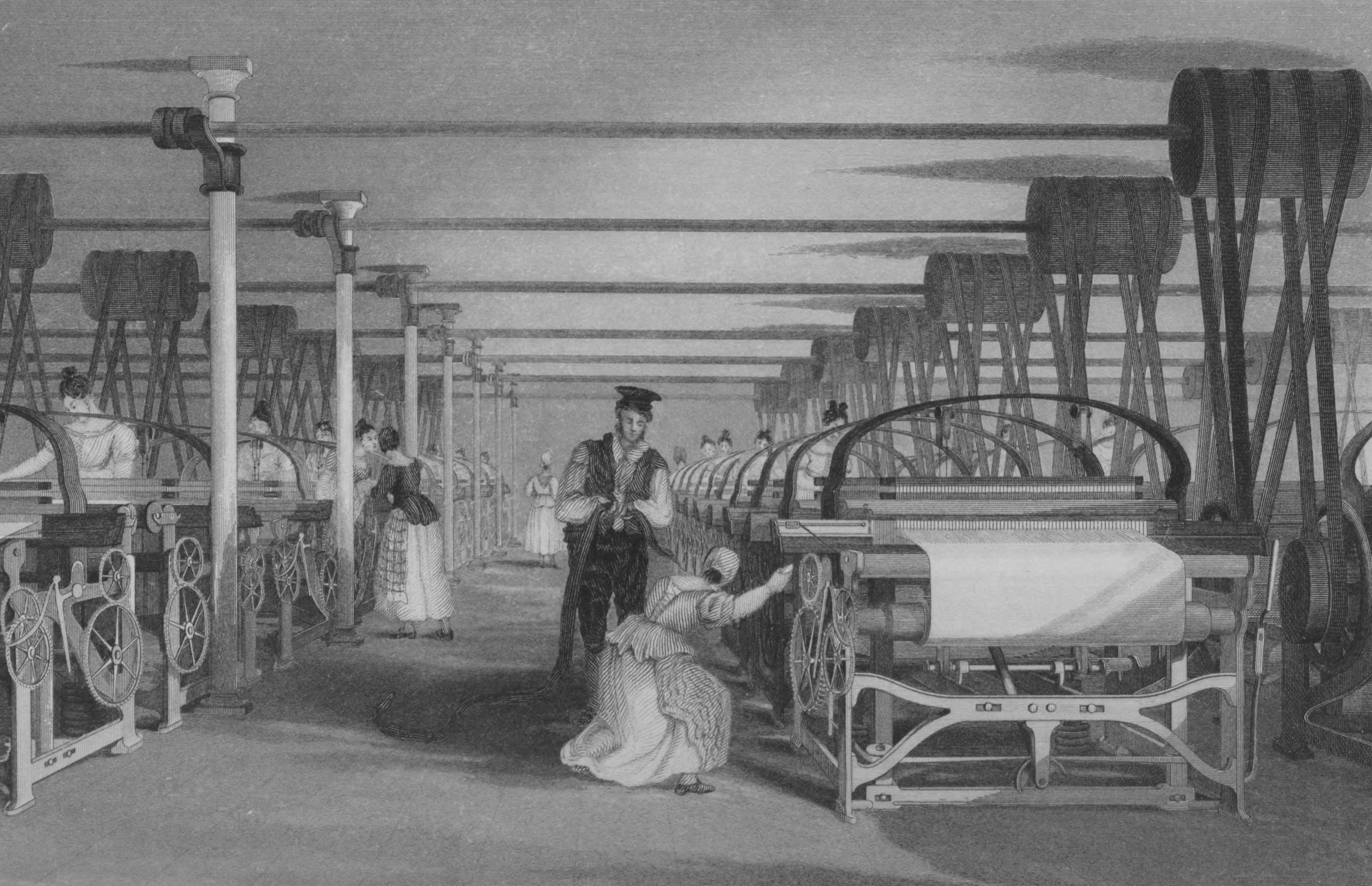
The defining engine of the 19th century was industrialization. The First Industrial Revolution, originating in Great Britain in the late 18th century, spread across the continent, particularly to Belgium, northern France, and the German Empire. This involved the mechanization of textile production, the development of steam power, and the rise of the factory system. By the latter half of the century, the Second Industrial Revolution brought about new innovations like steel production, electricity, the internal combustion engine, and the telegraph. These advancements spurred unprecedented urbanization, as millions migrated from rural areas to burgeoning industrial cities like London, Paris, and Berlin, creating new social classes and economic structures. This transformation wasn't merely technological; it fundamentally altered daily life, work patterns, and the very fabric of European society.
📊 Key Facts & Numbers
The 19th century witnessed a staggering population boom, with Europe's population climbing from approximately 187 million in 1800 to around 400 million by 1900. Industrial output soared; by 1900, Germany had surpassed Great Britain in steel production, churning out over 6 million tons annually. Colonial expansion was vast: the British Empire alone controlled roughly a quarter of the world's landmass and population by 1900. The railway network expanded exponentially, with over 200,000 miles of track laid across Europe by 1870, and over 500,000 miles by 1900. Literacy rates also saw significant increases, driven by state-sponsored education initiatives, with primary school enrollment reaching over 90% in many Western European nations by the century's end. The sheer scale of economic and demographic change was unprecedented, laying the foundation for the modern globalized world.
👥 Key People & Organizations
Numerous figures shaped the 19th century. Napoleon Bonaparte dominated the early decades, his military campaigns and legal reforms leaving a lasting impact. Otto von Bismarck, the "Iron Chancellor," masterminded the unification of Germany through strategic diplomacy and warfare. Thinkers like Karl Marx and Friedrich Engels developed Marxist theory, profoundly influencing socialist movements and labor activism. In science, Charles Darwin revolutionized biology with his theory of evolution, while Louis Pasteur made groundbreaking discoveries in microbiology and vaccination. Artists like Claude Monet and Vincent van Gogh pushed the boundaries of visual expression, and writers such as Charles Dickens and Leo Tolstoy captured the social realities of the age. Organizations like the First International (1864) and the Second International (1889) galvanized socialist and labor movements across the continent.
🌍 Cultural Impact & Influence
The cultural output of 19th-century Europe was immense and diverse. Romanticism, with its emphasis on emotion, individualism, and nature, dominated the early decades, influencing literature (e.g., Lord Byron, Victor Hugo) and music (e.g., Ludwig van Beethoven, Frédéric Chopin). Later, Realism emerged, seeking to depict life as it was, particularly in the novels of Gustave Flaubert and George Eliot. The latter half of the century saw the rise of Impressionism in painting, with artists like Monet and Renoir capturing fleeting moments of light and color. Nationalism became a powerful cultural force, fostering national languages, histories, and symbols, often intertwined with the state's agenda. The spread of mass media, including newspapers and popular novels, created a shared cultural experience for a growing literate public, influencing everything from fashion to political opinion.
⚡ Current State & Latest Developments
While the 19th century is firmly in the past, its legacy continues to shape contemporary Europe and the world. The nation-states forged during this period remain the primary political units. The industrial and technological foundations laid then continue to evolve, with ongoing debates about their environmental and social consequences. The ideologies born in the 19th century – liberalism, socialism, nationalism, and conservatism – still form the bedrock of political discourse. Furthermore, the art, literature, and philosophical ideas of the era are continuously reinterpreted and studied, influencing contemporary creative and intellectual pursuits. Museums and archives worldwide still hold vast collections from this period, with ongoing research and exhibitions shedding new light on its complexities. The very concept of 'Europe' as a distinct cultural and political entity owes much to the interactions and conflicts of the 19th century.
🤔 Controversies & Debates
The 19th century is rife with controversy. The legacy of colonialism remains a deeply contentious issue, with ongoing debates about reparations, historical narratives, and the lasting impact of imperial exploitation on formerly colonized nations. The rise of nationalism is also viewed critically, as it often fueled aggressive expansionism and ethnic tensions that contributed to the World Wars. The social costs of industrialization, including harsh working conditions, child labor, and extreme poverty, are subjects of historical debate regarding the extent to which they were inevitable or the result of specific policy choices by industrialists and governments. Furthermore, the scientific theories of the era, particularly Darwinism, sparked significant religious and philosophical opposition that continues in some forms today. The very definition of 'progress' during this era is questioned, given the immense suffering and inequality it often entailed.
🔮 Future Outlook & Predictions
The future outlook for understanding the 19th century is one of continued re-evaluation and deeper contextualization. As new archival materials emerge and digital humanities tools become more sophisticated, historians will likely uncover more nuanced perspectives on the era's events and actors. Expect increased focus on the experiences of marginalized groups – women, ethnic minorities, and the working class – whose voices were often suppressed in traditional historical accounts. The long-term consequences of 19th-century industrialization, particularly concerning climate change and resource depletion, will undoubtedly receive greater attention. Furthermore, comparative studies examining 19th-century European developments alongside similar processes in other parts of the world, such as Japan or the United States, will likely become more prominent, challenging Eurocentric narratives and offering a more global understanding of modernity's birth.
💡 Practical Applications
The practical applications of studying 19th-century Europe are manifold, extending far beyond academic curiosity. Understanding the roots of modern political systems – democracy,
Key Facts
- Category
- history
- Type
- topic