
Contents
- 🎵 Origins & History
- ⚙️ How It Works
- 📊 Key Facts & Numbers
- 👥 Key People & Organizations
- 🌍 Cultural Impact & Influence
- ⚡ Current State & Latest Developments
- 🤔 Controversies & Debates
- 🔮 Future Outlook & Predictions
- 💡 Practical Applications
- 📚 Related Topics & Deeper Reading
- Frequently Asked Questions
- Related Topics
Overview
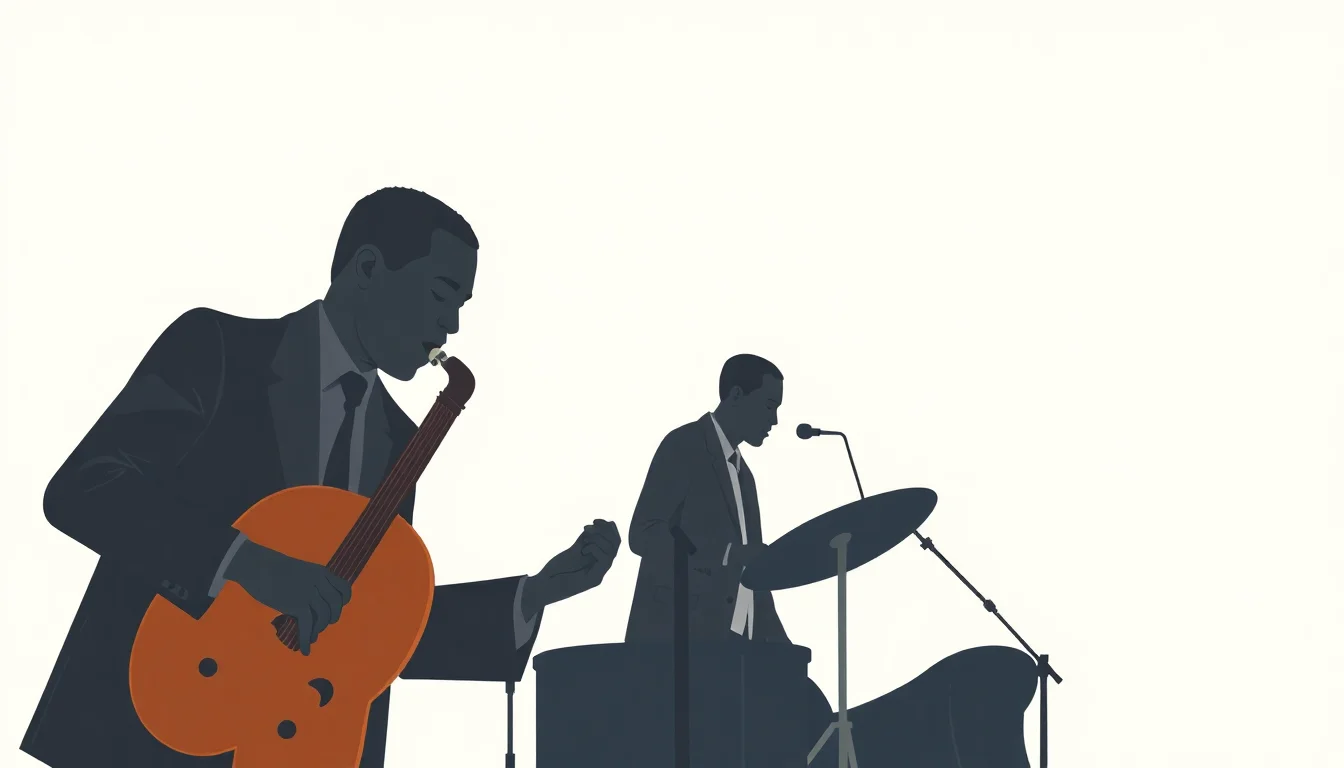
The genesis of Afro-Cuban jazz can be traced to the vibrant musical melting pot of New York City in the early 1940s, a period ripe for cross-cultural pollination. Cuban expatriates, particularly Mario Bauzá, a saxophonist and arranger, and Frank Grillo 'Machito'], a bandleader and maraca player, were instrumental in this fusion. Bauzá, working with Machito's band, Machito and his Afro-Cubans, began to integrate authentic Cuban rhythms and instrumentation into the big band jazz sound. This early experimentation laid the groundwork for what would become a revolutionary movement. The pivotal moment arrived in 1947 when Dizzy Gillespie, a titan of bebop, encountered Chano Pozo, a Cuban percussionist and composer. Their collaboration, most famously on the track "Manteca", injected raw Afro-Cuban energy, including the distinctive sounds of the tumbadora and bongo, directly into the heart of the jazz scene. This period saw the emergence of the term 'Cubop' to describe this exciting new hybrid, a testament to its direct lineage from bebop and Cuban music.
⚙️ How It Works
At its core, Afro-Cuban jazz is a sophisticated dialogue between two distinct musical languages. The rhythmic foundation is built upon the intricate, interlocking patterns of Afro-Cuban music, most notably the clave, a five-stroke pattern that serves as the genre's temporal anchor. This rhythmic framework is then overlaid with the harmonic structures and improvisational techniques characteristic of American jazz, including complex chord progressions, extended harmonies, and virtuosic soloing. The instrumentation often features a blend of jazz standards like saxophones and trumpets, alongside traditional Cuban percussion instruments such as the tumbadora, bongo, timbales, and güiro. Arrangements frequently incorporate call-and-response patterns, mirroring both African musical traditions and jazz big band practices, creating a dynamic and often exhilarating sonic experience.
📊 Key Facts & Numbers
Afro-Cuban jazz emerged in the mid-20th century, with its inception date widely cited as 1948. By the 1950s, albums like Machito's "Kenya" (1957) were selling thousands of copies, signaling a growing commercial appeal. The genre's influence is quantifiable; by the late 1960s, it was estimated that over 50% of jazz musicians in New York City were incorporating Latin rhythms into their performances. The iconic "Manteca" has been covered by over 100 artists, demonstrating its enduring popularity. In Cuba, the Irakere ensemble, formed in 1973, became a major force, winning a Grammy Award in 1980 for Best Latin Recording, showcasing the genre's continued evolution and international recognition. Today, hundreds of festivals worldwide dedicate significant programming to Latin jazz, with Afro-Cuban jazz remaining a cornerstone.
👥 Key People & Organizations
The architects of Afro-Cuban jazz are a pantheon of visionary musicians. Mario Bauzá and Frank Grillo 'Machito'] are widely credited as the pioneers, establishing the initial fusion with their band Machito and his Afro-Cubans in the 1940s. Dizzy Gillespie, a leading figure in bebop, became a crucial advocate, famously collaborating with Chano Pozo, a virtuosic Cuban percussionist, in 1947. Other key figures include Chico O'Farrill, whose "Afro-Cuban Suite" (1950) was a landmark recording, and Arturo Sandoval, a modern master who bridged traditional and contemporary sounds. In Cuba, the ensemble Irakere, featuring musicians like Chucho Valdés, revitalized the genre in the 1970s, demonstrating its deep roots and ongoing development within the island's music scene.
🌍 Cultural Impact & Influence
The impact of Afro-Cuban jazz extends far beyond the confines of the jazz world. It served as the direct precursor to Latin jazz, a broader category that encompasses various Latin American musical influences within a jazz framework. Its rhythmic innovations and instrumental textures have permeated numerous genres, from funk and soul to rock and contemporary electronic music. The genre's success in the United States also fostered a greater appreciation for Cuban culture and music, influencing subsequent waves of Latin artists. Furthermore, Afro-Cuban jazz provided a crucial platform for Afro-Caribbean musicians to gain wider recognition, challenging existing racial and cultural barriers within the American music industry of the mid-20th century.
⚡ Current State & Latest Developments
In the contemporary landscape, Afro-Cuban jazz continues to thrive, albeit in a more diversified form. While the classic 'Cubop' sound remains a revered tradition, modern ensembles and artists are pushing its boundaries. Musicians like Robert Glasper and Kamasi Washington have incorporated Latin elements into their genre-bending work, demonstrating the enduring relevance of these rhythmic concepts. In Cuba, groups like Los Van Van continue to innovate, blending traditional rhythms with contemporary influences. The global proliferation of jazz education programs, particularly those with a focus on Latin music, ensures a steady stream of new talent steeped in the Afro-Cuban tradition. The digital age has also made classic recordings and contemporary interpretations more accessible than ever, fostering new generations of fans and musicians.
🤔 Controversies & Debates
One of the persistent debates surrounding Afro-Cuban jazz centers on its appropriation versus appreciation. Critics sometimes question whether non-Cuban artists, particularly early American jazz musicians, fully acknowledged the origins and cultural significance of the rhythms and musical forms they incorporated. The term 'Cubop' itself, while descriptive, has been seen by some as a simplification that potentially diminishes the depth of Afro-Cuban musical heritage. Another point of contention is the degree to which the genre's development in the United States overshadowed its evolution within Cuba itself during its nascent stages, a dynamic that shifted significantly with the rise of ensembles like Irakere. The ongoing discussion revolves around ensuring authentic representation and proper attribution for the genre's creators and cultural roots.
🔮 Future Outlook & Predictions
The future of Afro-Cuban jazz appears robust, driven by a continuous cycle of innovation and tradition. Expect to see further cross-pollination with other global music genres, as artists explore new fusions that push beyond traditional jazz and Cuban music boundaries. The increasing accessibility of digital music production tools will likely empower a new generation of musicians in Cuba and the diaspora to experiment and share their creations globally. Furthermore, as global awareness of cultural heritage grows, there may be a renewed focus on preserving and celebrating the authentic roots of Afro-Cuban music, potentially leading to more historically informed performances and educational initiatives. The genre's inherent adaptability suggests it will continue to evolve, reflecting the changing cultural and technological landscapes.
💡 Practical Applications
Afro-Cuban jazz finds practical application not just in concert halls and recordings, but as a foundational element in music education and cultural exchange programs. Its complex rhythmic structures offer invaluable lessons in polyrhythm and syncopation for aspiring musicians across various genres. The genre's historical significance also makes it a key subject in ethnomusicology and cultural studies, providing insights into the African diaspora's musical contributions. Beyond academia, Afro-Cuban jazz serves as a powerful tool for cultural diplomacy, fostering understanding and connection between different societies through the universal language of music. Its infectious rhythms continue to inspire dance and celebration worldwide, demonstrating its enduring appeal in everyday life.
Key Facts
- Year
- 1948
- Origin
- Cuba / United States
- Category
- culture
- Type
- genre
Frequently Asked Questions
What is the defining characteristic of Afro-Cuban jazz?
The defining characteristic of Afro-Cuban jazz is its rhythmic complexity, primarily derived from the clave patterns of Afro-Cuban music, fused with the harmonic language and improvisational freedom of American jazz. This creates a unique sound that is both danceable and intellectually stimulating, often featuring a blend of jazz instrumentation with traditional Cuban percussion like the tumbadora and bongo. The genre's inception in the 1940s, particularly through collaborations like that of Dizzy Gillespie and Chano Pozo, cemented this fusion as a cornerstone of modern music.
Who were the key pioneers of Afro-Cuban jazz?
The key pioneers of Afro-Cuban jazz are widely recognized as Cuban musicians who were active in New York City. Mario Bauzá, a saxophonist and arranger, and Frank Grillo 'Machito'], a bandleader, were instrumental in integrating authentic Cuban rhythms into jazz big bands in the early 1940s with their ensemble Machito and his Afro-Cubans. Later, the collaboration between American jazz trumpeter Dizzy Gillespie and Cuban percussionist Chano Pozo in 1947, which produced seminal tracks like "Manteca", brought the genre to a much wider audience and solidified its place in the jazz canon.
How did Afro-Cuban jazz influence other music genres?
Afro-Cuban jazz served as the direct progenitor of Latin jazz and significantly influenced numerous other genres. Its intricate rhythmic patterns and percussive textures found their way into funk, soul, and even rock music, adding a new dimension of syncopation and groove. The genre also fostered a greater appreciation for Afro-Caribbean musical traditions globally, impacting everything from salsa to contemporary electronic music. Its success helped break down cultural barriers, paving the way for greater recognition of Latin American artists within the broader music industry.
What is the role of the clave in Afro-Cuban jazz?
The clave is the absolute rhythmic bedrock of Afro-Cuban jazz, acting as its temporal and structural anchor. This five-stroke pattern, typically played over two bars, dictates the phrasing, accents, and overall feel of the music. While not always explicitly played by a percussion instrument in every arrangement, its underlying pulse informs the melodic lines, improvisations, and rhythmic interplay of all instruments. Understanding the clave is essential for comprehending the authentic execution and nuanced feel of Afro-Cuban jazz, distinguishing it from other jazz subgenres.
Was Afro-Cuban jazz primarily developed in Cuba or the United States?
Afro-Cuban jazz was primarily developed through a collaborative effort, with its initial fusion and popularization occurring in New York City due to the presence of a vibrant Cuban émigré community and the established jazz scene. Musicians like Mario Bauzá and Frank Grillo 'Machito'] brought authentic Cuban musical traditions to New York, while American jazz artists like Dizzy Gillespie embraced and integrated these elements. While its roots are undeniably Cuban, its formative years and international breakthrough were largely shaped by the New York environment. Later, ensembles like Irakere in Cuba played a crucial role in its continued evolution and re-establishment on the island.
How can someone start listening to Afro-Cuban jazz?
To begin exploring Afro-Cuban jazz, start with the seminal recordings that defined the genre. Listen to Machito's "Afro-Cuban Suite" (1950) and "Kenya" (1957), and the iconic collaboration between Dizzy Gillespie and Chano Pozo on "Manteca" (1947). Explore the work of Chico O'Farrill and later artists like Arturo Sandoval and the Cuban ensemble Irakere. Many streaming platforms offer curated playlists for 'Afro-Cuban Jazz' or 'Cubop' that provide an excellent entry point into this rich musical tradition.
What is the future outlook for Afro-Cuban jazz?
The future of Afro-Cuban jazz looks dynamic, with artists continuing to innovate by blending its core elements with contemporary sounds and global influences. Expect further fusions with genres like hip-hop, electronic music, and other world music traditions. The increasing global connectivity means that musicians from Cuba and the diaspora can collaborate more easily, fostering new creative directions. There's also a growing interest in preserving the genre's historical integrity, ensuring that its authentic rhythmic and harmonic foundations remain central even as it evolves. The genre's inherent vitality suggests it will remain a significant force in global music for decades to come.