
Contents
Overview
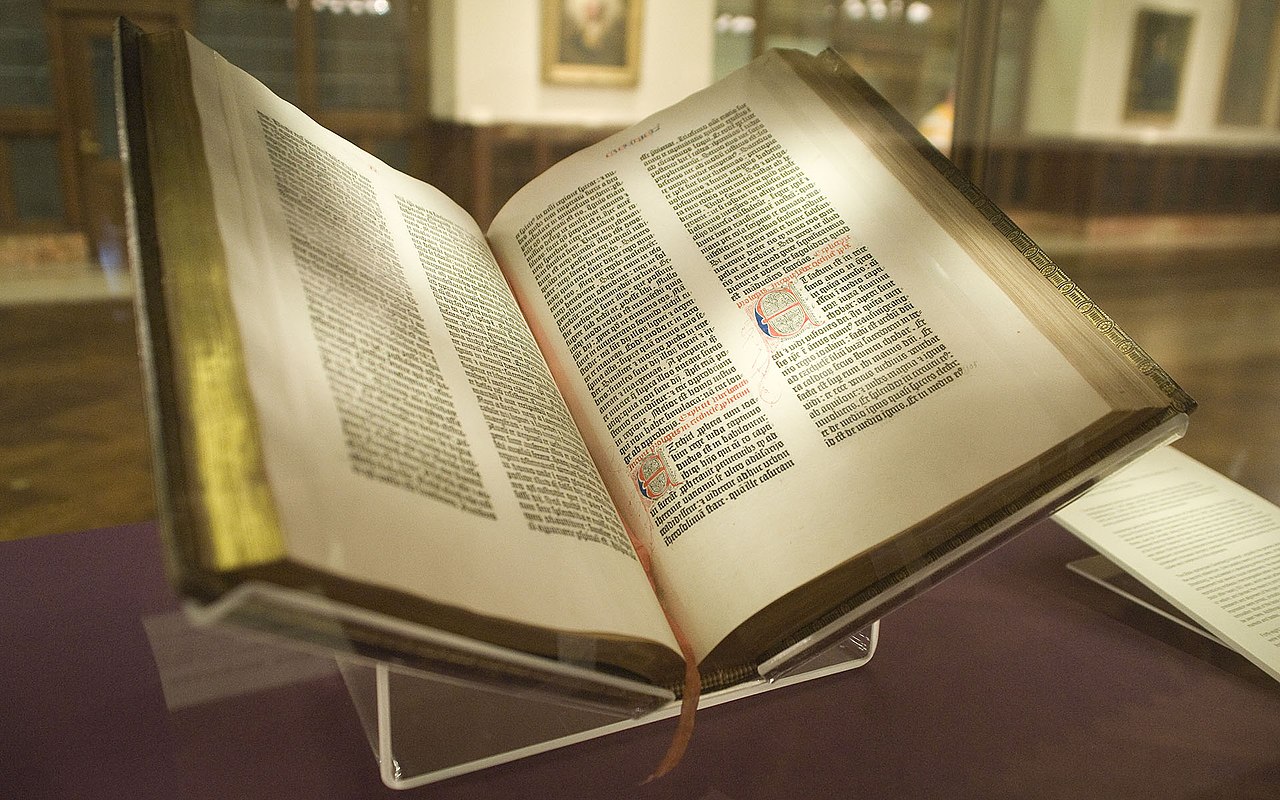
The concept of a book has been around for centuries, with the first written records dating back to ancient civilizations such as the Egyptians and the Greeks. A book is a written work of substantial length created by one or more authors. They can be distributed in various forms such as printed books, audiobooks, and electronic books (ebooks). Books are broadly classified into fiction, containing invented narrative or other imaginary content; and non-fiction, containing content intended as factual truth. For instance, a novel is a type of fiction book that typically features a narrative with characters, plot, and setting. In contrast, a textbook is a type of non-fiction book that provides information on a specific subject.
📖 Types of Books
There are many different types of books, each with its own unique characteristics and purposes. Fiction books can be further divided into sub-genres such as romance, science fiction, and mystery. On the other hand, non-fiction books can include categories such as biography, history, and self-help. Additionally, books can also be classified based on their format, such as hardcover or paperback. The publishing industry plays a crucial role in the production and distribution of books, with many publishers specializing in specific genres or formats.
📰 Fiction vs Non-Fiction
The distinction between fiction and non-fiction is a fundamental aspect of the book classification system. Fiction books are designed to entertain, engage, and sometimes educate readers, while non-fiction books aim to inform, instruct, or persuade readers. For example, a novel like To Kill a Mockingbird is a work of fiction that explores themes of racial injustice and childhood innocence. In contrast, a textbook on physics is a work of non-fiction that provides factual information on the subject. The author's intention and purpose play a significant role in determining whether a book is classified as fiction or non-fiction.
📊 Book Formats and Distribution
The way books are distributed and consumed has undergone significant changes in recent years. The rise of ebooks and audiobooks has expanded the reach of books to a wider audience, with many readers opting for digital formats over traditional printed books. The internet has also enabled the creation of online bookstores and libraries, making it easier for readers to access and discover new books. Furthermore, the development of e-readers and tablets has improved the reading experience, with features such as adjustable font sizes and built-in lighting. The book industry has had to adapt to these changes, with many publishers investing in digital publishing and marketing strategies.
📈 The Evolution of Books
The evolution of books has been shaped by technological advancements, cultural trends, and societal needs. From the invention of the printing press to the development of ebooks, books have undergone significant transformations over the centuries. The Industrial Revolution brought mass production and standardization to the book industry, while the Digital Revolution has enabled the creation of new formats and distribution channels. The author's role has also evolved, with many writers now engaging directly with readers through social media and blogs. The future of books is likely to be shaped by emerging technologies such as artificial intelligence and virtual reality.
📚 The Impact of Books on Society
Books have had a profound impact on society, shaping cultural norms, influencing public opinion, and inspiring social change. The Bible, for example, is a foundational text that has shaped Western civilization and continues to influence contemporary values and beliefs. Other books, such as To Kill a Mockingbird and 1984, have become classics of literature and continue to be widely read and studied today. The book club phenomenon has also become a popular way for readers to engage with books and discuss their ideas and themes. The reading community has expanded beyond traditional libraries and bookstores, with many online forums and social media groups dedicated to book lovers.
🤔 The Future of Books
The future of books is likely to be shaped by emerging technologies, changing reader habits, and shifting cultural trends. The rise of audiobooks and podcasts has expanded the reach of books to a wider audience, while the development of artificial intelligence and machine learning is likely to transform the way books are written, published, and consumed. The book industry will need to adapt to these changes, with many publishers investing in digital publishing and marketing strategies. The author's role will also continue to evolve, with many writers embracing new formats and platforms to reach their audiences. For instance, Amazon has become a major player in the book industry, with its Kindle e-reader and Amazon Publishing platform.
📊 Book Sales and Marketing
The book sales and marketing landscape has undergone significant changes in recent years. The rise of online bookstores and social media has expanded the reach of books to a wider audience, with many authors and publishers using digital platforms to promote their work. The book review has become an essential aspect of the book industry, with many readers relying on reviews to discover new books and authors. The bestseller list has also become a key indicator of a book's success, with many authors and publishers striving to reach the top of the list.
Key Facts
- Category
- topic
- Type
- topic
Frequently Asked Questions
What is a book?
A book is a written work of substantial length created by one or more authors. It can be distributed in various forms such as printed books, audiobooks, and electronic books (ebooks). Books are broadly classified into fiction, containing invented narrative or other imaginary content; and non-fiction, containing content intended as factual truth.
What are the different types of books?
There are many different types of books, each with its own unique characteristics and purposes. Fiction books can be further divided into sub-genres such as romance, science fiction, and mystery. Non-fiction books can include categories such as biography, history, and self-help. Books can also be classified based on their format, such as hardcover or paperback.
What is the difference between fiction and non-fiction?
The distinction between fiction and non-fiction is a fundamental aspect of the book classification system. Fiction books are designed to entertain, engage, and sometimes educate readers, while non-fiction books aim to inform, instruct, or persuade readers. The author's intention and purpose play a significant role in determining whether a book is classified as fiction or non-fiction.
How have books evolved over time?
The evolution of books has been shaped by technological advancements, cultural trends, and societal needs. From the invention of the printing press to the development of ebooks, books have undergone significant transformations over the centuries. The author's role has also evolved, with many writers now engaging directly with readers through social media and blogs.
What is the future of books?
The future of books is likely to be shaped by emerging technologies, changing reader habits, and shifting cultural trends. The rise of audiobooks and podcasts has expanded the reach of books to a wider audience, while the development of artificial intelligence and machine learning is likely to transform the way books are written, published, and consumed. The book industry will need to adapt to these changes, with many publishers investing in digital publishing and marketing strategies.
How do authors promote their books?
Authors promote their books through a variety of channels, including social media, book reviews, and public speaking. Many authors also engage with their readers through online forums and book clubs. The author platform has become an essential aspect of the book industry, with many authors building their own brand and audience through these channels.
What is the impact of books on society?
Books have had a profound impact on society, shaping cultural norms, influencing public opinion, and inspiring social change. The Bible, for example, is a foundational text that has shaped Western civilization and continues to influence contemporary values and beliefs. Other books, such as To Kill a Mockingbird and 1984, have become classics of literature and continue to be widely read and studied today.