
Contents
- 🏠 What is Cabinetry & Who Needs It?
- 🛠️ Types of Cabinetry: From Stock to Custom
- 📍 Where to Find Cabinetry: Showrooms & Online
- 💰 Pricing: What to Expect for Your Investment
- ⭐ Ratings & Reviews: Trusting the Experts
- ⚖️ Cabinetry vs. Alternatives: Shelving & Open Storage
- 💡 Design Trends: Modern Aesthetics & Functionality
- 📏 Measuring & Planning: Getting it Right
- ✅ Key Considerations: Materials, Hardware, and Installation
- 📞 Getting Started: Your Next Steps
- Frequently Asked Questions
- Related Topics
Overview
Cabinets are far more than mere storage; they are foundational elements shaping the functionality and aesthetic of any room. Whether it's the meticulously organized kitchen cabinets that streamline meal prep, the elegant bathroom vanities that offer a touch of luxury, or the versatile living room units that house entertainment systems and display cherished items, cabinets are indispensable. Their design, material, and construction profoundly impact a space's overall vibe, influencing everything from perceived spaciousness to the ease of daily routines. Understanding the nuances of cabinet types, from custom-built to modular, and the materials used, like solid wood, MDF, or laminates, is crucial for making informed decisions that enhance both utility and style.
🏠 What is Cabinetry & Who Needs It?
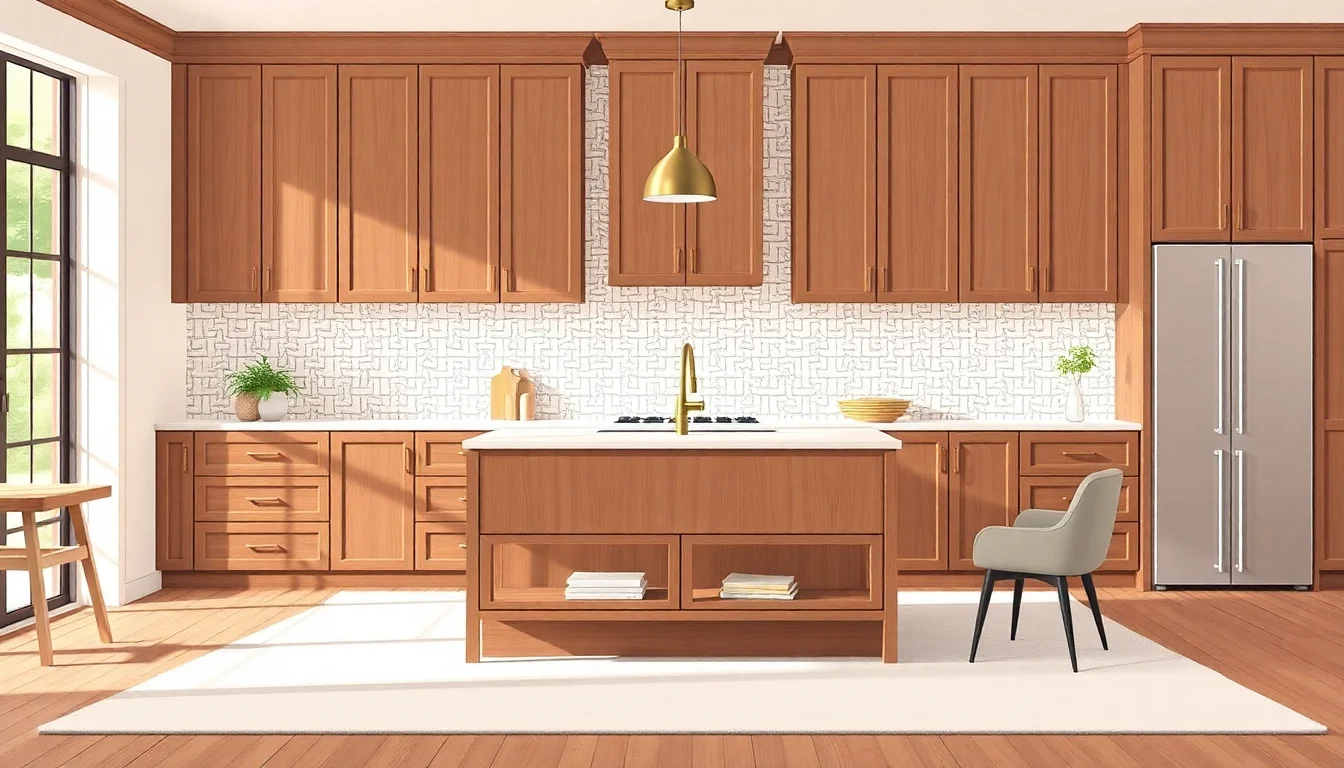
Cabinetry forms the essential skeletal structure of any organized living or working space, providing both storage and aesthetic appeal. Whether you're outfitting a new kitchen or designing a bespoke home office, quality cabinets are non-negotiable. They house everything from your pots and pans to your important files, keeping clutter at bay and enhancing the overall functionality of a room. For homeowners, renovators, and interior designers alike, understanding the nuances of cabinetry is crucial for achieving a cohesive and practical design.
🛠️ Types of Cabinetry: From Stock to Custom
The world of cabinetry spans a spectrum from readily available pre-fabricated units to meticulously crafted bespoke solutions. Stock cabinets offer affordability and quick turnaround, ideal for budget-conscious projects or standard layouts. Semi-custom options provide a middle ground with more size and style choices. Fully custom cabinetry, however, allows for unparalleled design freedom, tailored precisely to your space and specific needs, often involving cabinet makers and premium materials.
📍 Where to Find Cabinetry: Showrooms & Online
Discovering the right cabinetry often involves visiting dedicated local showrooms where you can see and feel the quality firsthand. Many manufacturers also offer extensive online catalogs and online design services, allowing for remote browsing and planning. For those seeking unique pieces, antique shops and vintage furniture stores can be treasure troves, though they may require more effort in sourcing and restoration.
💰 Pricing: What to Expect for Your Investment
The cost of cabinetry varies dramatically based on type, material, and complexity. Mass-produced cabinets can range from $100 to $400 per linear foot, while semi-custom options typically fall between $400 and $1,000 per linear foot. Bespoke designs, especially those using high-end woods and intricate finishes, can easily exceed $1,000 per linear foot, with some luxury installations reaching tens of thousands of dollars for a complete kitchen or built-in system.
⭐ Ratings & Reviews: Trusting the Experts
When evaluating cabinetry providers, pay close attention to online reviews and design accolades. Look for consistent praise regarding product durability, installation quality, and customer service. Websites like Houzz and Angie's List often feature detailed ratings and testimonials from past clients, offering valuable insights into a company's reliability and craftsmanship. A high Vibe score of 85+ often indicates a strong positive sentiment among users.
⚖️ Cabinetry vs. Alternatives: Shelving & Open Storage
While cabinetry offers enclosed storage, exposed shelves and modular storage systems present alternative approaches. Shelving can create an airy, accessible feel, perfect for displaying decorative items or frequently used kitchenware. Freestanding units offer flexibility and can be rearranged or replaced more easily than built-in cabinets. However, they often lack the seamless integration and substantial storage capacity of well-designed cabinetry.
💡 Design Trends: Modern Aesthetics & Functionality
Current design trends emphasize clean lines, minimalist hardware, and a blend of natural and modern materials. Matte cabinet finishes are gaining popularity over high gloss, and the integration of smart technology, such as hidden charging stations and automated lighting, is becoming more common. Eco-friendly materials and finishes are also a growing consideration for environmentally conscious consumers.
📏 Measuring & Planning: Getting it Right
Accurate measurement is paramount before committing to any cabinetry purchase. Measure wall lengths, ceiling heights, and account for existing architectural features like windows and doorways. On-site measurements are highly recommended for custom projects to ensure a perfect fit. Many online retailers provide DIY measurement guides to assist homeowners in this critical planning phase.
✅ Key Considerations: Materials, Hardware, and Installation
The choice of cabinet materials—from solid wood like oak and maple to engineered products like MDF and plywood—significantly impacts durability and cost. Hardware such as hinges, drawer slides, and pulls are not just functional but also key design elements. Professional installation by experienced craftspeople is vital to ensure proper alignment, smooth operation, and long-term structural integrity.
📞 Getting Started: Your Next Steps
Ready to transform your space with functional and beautiful cabinetry? Start by defining your needs and budget. Browse cabinetry manufacturers' websites for inspiration, visit local showrooms to experience quality firsthand, and consult with professional designers or cabinet specialists. Obtain multiple quotes for custom work and always check references before making a final decision.
Key Facts
- Year
- 1900
- Origin
- Evolved from built-in storage in early homes, mass-produced cabinetry gained prominence with the rise of modular kitchens in the early 20th century.
- Category
- Home Furnishings & Design
- Type
- Product Category
Frequently Asked Questions
What's the difference between stock, semi-custom, and custom cabinets?
Stock cabinets are pre-manufactured in standard sizes and limited styles, offering the most budget-friendly and quickest option. Semi-custom cabinets provide more choices in terms of sizes, finishes, and modifications, bridging the gap between stock and custom. Custom cabinets are built to your exact specifications, allowing for unique designs, dimensions, and materials, offering the highest degree of personalization but at a premium price point.
What are the most durable materials for kitchen cabinets?
For durability, solid hardwoods like maple, oak, and cherry are excellent choices due to their strength and resistance to wear. High-quality plywood for cabinet boxes is also very durable and stable. For painted finishes, MDF (Medium-Density Fiberboard) can offer a smooth surface and good stability, though it's less resistant to moisture than solid wood. Avoid particleboard in high-moisture areas like kitchens.
How much should I budget for new kitchen cabinets?
Budgeting for kitchen cabinets can range widely. For a standard-sized kitchen, stock cabinets might cost $3,000-$10,000, semi-custom $10,000-$25,000, and custom cabinets can easily start at $20,000 and go upwards of $50,000 or more, depending on materials, complexity, and brand. It's wise to allocate 30-50% of your total kitchen renovation budget to cabinetry.
What is the average lifespan of kitchen cabinets?
Well-maintained kitchen cabinets, especially those made from quality materials like solid wood or high-grade plywood and installed correctly, can last anywhere from 10 to 50 years or even longer. Factors influencing lifespan include the quality of materials, the frequency of use, exposure to moisture and heat, and the quality of the initial installation and hardware.
Should I hire a professional for cabinet installation?
While DIY installation is possible for experienced individuals, hiring a professional cabinet installer is highly recommended, especially for custom or complex projects. Professionals ensure precise alignment, proper support, smooth operation of doors and drawers, and correct integration with countertops and appliances. This minimizes the risk of damage, ensures longevity, and often comes with a warranty.
What are the latest trends in cabinet hardware?
Current trends lean towards minimalist and sleek hardware. Matte black, brushed brass, and satin nickel finishes are popular. Bar pulls and slim, integrated pulls are favored for a modern look. For a more traditional aesthetic, decorative knobs and cup pulls remain strong choices. Many designers are also exploring unique materials and artisanal hardware for a custom touch.