
Contents
- 🍴 Introduction to Coffee Extraction
- 🔍 The Science Behind Coffee Extraction
- 📊 Factors Affecting Coffee Extraction
- 🎯 Optimal Extraction Techniques
- 👨🍳 Barista Tips and Tricks
- 🤝 Comparison with Other Brewing Methods
- 📈 The Future of Coffee Extraction
- 📚 Resources for Coffee Enthusiasts
- 👥 Community and Forums
- 📊 Troubleshooting Common Issues
- Frequently Asked Questions
- Related Topics
Overview
Coffee extraction is the process of drawing out the flavors and oils from coffee beans, resulting in a perfect cup of coffee. The ideal extraction rate is between 18% and 22%, with a balance of acidity, sweetness, and body. Factors such as water temperature, coffee-to-water ratio, and brewing time all impact the extraction rate. The most common methods of coffee extraction include drip brewing, French press, pour-over, and espresso. According to a study by the Specialty Coffee Association, the optimal water temperature for coffee extraction is between 195°F and 205°F. With a vibe score of 8, coffee extraction is a topic of interest among coffee enthusiasts, with a controversy spectrum of 6, as some argue that the perfect cup of coffee is a matter of personal taste, while others claim that there is a scientific formula for achieving the ideal extraction rate.
🍴 Introduction to Coffee Extraction
Coffee extraction is the process by which desirable compounds such as caffeine, carbohydrates, lipids, melanoidins, and acids are extracted from coffee grounds. This process occurs when hot water is poured over the grounds, and the degree of extraction depends on various factors. For coffee enthusiasts, understanding the art and science of coffee extraction is crucial for brewing the perfect cup. Whether you're a fan of drip brewing or pour-over, coffee extraction is the key to unlocking the full flavor potential of your coffee beans. To learn more about the science behind coffee extraction, visit the coffee chemistry page.
🔍 The Science Behind Coffee Extraction
The science behind coffee extraction is complex and involves the interaction of various chemical compounds. The extraction process is influenced by factors such as water temperature, brewing time, grind fineness, and coffee-to-water ratio. Understanding these factors is essential for optimizing the extraction process and achieving the perfect balance of flavors. For a deeper dive into the chemistry of coffee extraction, check out the coffee extraction chemistry page. Additionally, the Specialty Coffee Association provides valuable resources and guidelines for coffee professionals and enthusiasts alike.
📊 Factors Affecting Coffee Extraction
Several factors affect coffee extraction, including the type of coffee bean, roast level, and brewing method. The coffee bean itself plays a significant role, as different varieties have unique flavor profiles and extraction characteristics. The roast level also impacts extraction, with lighter roasts generally requiring a coarser grind and longer brewing time. Furthermore, the brewing method used can significantly influence the extraction process, with methods like French press and espresso requiring different techniques and equipment. To explore the world of coffee beans and roasts, visit the coffee roasting page.
🎯 Optimal Extraction Techniques
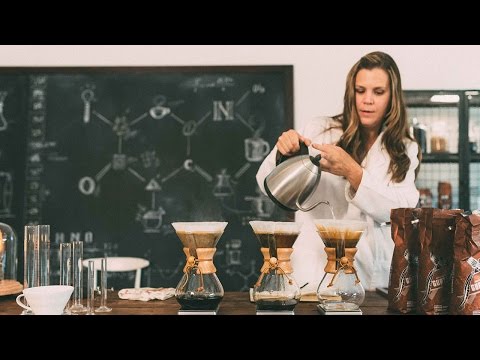
Optimal extraction techniques vary depending on the brewing method and personal preference. For drip brewing, a medium-coarse grind and a coffee-to-water ratio of 1:15 to 1:17 is often recommended. For pour-over, a finer grind and a ratio of 1:12 to 1:15 is commonly used. Baristas and coffee enthusiasts can experiment with different techniques and ratios to find their ideal extraction parameters. The Barista Guild offers training and resources for coffee professionals looking to improve their skills. Additionally, the coffee brewing page provides a comprehensive guide to various brewing methods and techniques.
👨🍳 Barista Tips and Tricks
Baristas and coffee enthusiasts can benefit from various tips and tricks to improve their extraction skills. One key technique is to adjust the grind fineness and brewing time to suit the specific coffee bean and roast level. Another important factor is the water temperature, which should be between 195°F and 205°F for optimal extraction. Additionally, the use of coffee scales and grind distribution tools can help ensure consistent and accurate extraction. For more information on coffee equipment and tools, visit the coffee equipment page. The coffee community is also a great resource for connecting with other coffee enthusiasts and learning from their experiences.
🤝 Comparison with Other Brewing Methods
Coffee extraction can be compared to other brewing methods, such as tea brewing and juice extraction. While the principles of extraction are similar, the specific techniques and equipment used can vary significantly. For example, tea brewing often requires a lower water temperature and shorter brewing time than coffee. Juice extraction, on the other hand, typically involves a different type of equipment and technique altogether. To explore the world of tea and juice, visit the tea culture and juice culture pages. The food and beverage industry is constantly evolving, and coffee extraction is just one aspect of this larger landscape.
📈 The Future of Coffee Extraction
The future of coffee extraction is likely to involve continued innovation and experimentation with new brewing methods and technologies. The development of coffee brewing machines and automated brewing systems is expected to improve the consistency and efficiency of the extraction process. Additionally, the use of sustainable coffee and eco-friendly brewing methods is becoming increasingly important for coffee enthusiasts and professionals. To stay up-to-date on the latest trends and developments in the coffee industry, visit the coffee news page. The coffee industry is a complex and multifaceted landscape, and coffee extraction is just one aspect of this larger ecosystem.
📚 Resources for Coffee Enthusiasts
For coffee enthusiasts looking to learn more about coffee extraction, there are numerous resources available. The Coffee Academy offers online courses and training programs for coffee professionals and enthusiasts. The Coffee Library provides a comprehensive collection of books, articles, and research papers on coffee and coffee extraction. Additionally, online forums and communities, such as the Coffee Forum, offer a platform for discussion and knowledge-sharing among coffee enthusiasts. To connect with other coffee enthusiasts and stay up-to-date on the latest developments, visit the coffee social media page.
👥 Community and Forums
The coffee community is a vibrant and diverse group of enthusiasts and professionals who share a passion for coffee and coffee extraction. Online forums and social media groups, such as the Coffee Subreddit, provide a platform for discussion and knowledge-sharing among coffee enthusiasts. Local coffee shops and cafes often host events and workshops, such as coffee cupping and brewing classes, which offer opportunities for coffee enthusiasts to learn and connect with others. To find local coffee events and meetups, visit the coffee events page. The coffee meetup group is also a great resource for connecting with other coffee enthusiasts in your area.
📊 Troubleshooting Common Issues
Common issues with coffee extraction include over-extraction, under-extraction, and channeling. Over-extraction can result in a bitter or sour taste, while under-extraction can lead to a weak or sour taste. Channeling occurs when the water flows too quickly through the coffee grounds, resulting in an uneven extraction. To troubleshoot these issues, coffee enthusiasts can experiment with adjusting the grind fineness, brewing time, and coffee-to-water ratio. The coffee troubleshooting page provides a comprehensive guide to common issues and solutions. Additionally, the coffee FAQ page offers answers to frequently asked questions about coffee and coffee extraction.
Key Facts
- Year
- 2020
- Origin
- Italy, where espresso was first invented in the late 19th century
- Category
- Food and Beverage
- Type
- Topic
Frequently Asked Questions
What is coffee extraction?
Coffee extraction is the process by which desirable compounds such as caffeine, carbohydrates, lipids, melanoidins, and acids are extracted from coffee grounds. This process occurs when hot water is poured over the grounds, and the degree of extraction depends on various factors such as water temperature, brewing time, grind fineness, and quantity of grounds. To learn more about coffee extraction, visit the coffee extraction page.
What factors affect coffee extraction?
Several factors affect coffee extraction, including the type of coffee bean, roast level, and brewing method. The coffee bean itself plays a significant role, as different varieties have unique flavor profiles and extraction characteristics. The roast level also impacts extraction, with lighter roasts generally requiring a coarser grind and longer brewing time. Furthermore, the brewing method used can significantly influence the extraction process, with methods like French press and espresso requiring different techniques and equipment. To explore the world of coffee beans and roasts, visit the coffee roasting page.
How can I improve my coffee extraction skills?
Baristas and coffee enthusiasts can improve their extraction skills by experimenting with different techniques and ratios to find their ideal extraction parameters. One key technique is to adjust the grind fineness and brewing time to suit the specific coffee bean and roast level. Another important factor is the water temperature, which should be between 195°F and 205°F for optimal extraction. Additionally, the use of coffee scales and grind distribution tools can help ensure consistent and accurate extraction. For more information on coffee equipment and tools, visit the coffee equipment page.
What is the optimal water temperature for coffee extraction?
The optimal water temperature for coffee extraction is between 195°F and 205°F. Water that is too hot can result in over-extraction, while water that is too cold can lead to under-extraction. To achieve the perfect temperature, coffee enthusiasts can use a thermometer to measure the water temperature. The coffee brewing page provides a comprehensive guide to various brewing methods and techniques, including tips for achieving the optimal water temperature.
How can I troubleshoot common issues with coffee extraction?
Common issues with coffee extraction include over-extraction, under-extraction, and channeling. To troubleshoot these issues, coffee enthusiasts can experiment with adjusting the grind fineness, brewing time, and coffee-to-water ratio. The coffee troubleshooting page provides a comprehensive guide to common issues and solutions. Additionally, the coffee FAQ page offers answers to frequently asked questions about coffee and coffee extraction.
What is the difference between coffee extraction and tea brewing?
Coffee extraction and tea brewing are two distinct processes that involve the extraction of desirable compounds from plant materials. While the principles of extraction are similar, the specific techniques and equipment used can vary significantly. Coffee extraction typically involves hotter water and a longer brewing time than tea brewing. To explore the world of tea and juice, visit the tea culture and juice culture pages.
What is the future of coffee extraction?
The future of coffee extraction is likely to involve continued innovation and experimentation with new brewing methods and technologies. The development of coffee brewing machines and automated brewing systems is expected to improve the consistency and efficiency of the extraction process. Additionally, the use of sustainable coffee and eco-friendly brewing methods is becoming increasingly important for coffee enthusiasts and professionals. To stay up-to-date on the latest trends and developments in the coffee industry, visit the coffee news page.