
Contents
- 🚀 The Core Experience: What is Dune?
- 📚 Essential Reading: The Books
- 🎬 Beyond the Page: Adaptations & Media
- 🪐 Worldbuilding Deep Dive: Arrakis & Beyond
- 💡 Key Themes & Philosophical Underpinnings
- ⚔️ Factions & Politics: The Great Houses
- ⏳ Historical Context & Influence
- 🤔 The Dune Debate: Masterpiece or Mess?
- ✨ Fan Culture & Community
- 🗺️ Navigating the Dune-iverse: A Reader's Path
- 💰 Acquisition & Access: Where to Start
- 🔮 The Future of Dune: What's Next?
- Frequently Asked Questions
- Related Topics
Overview
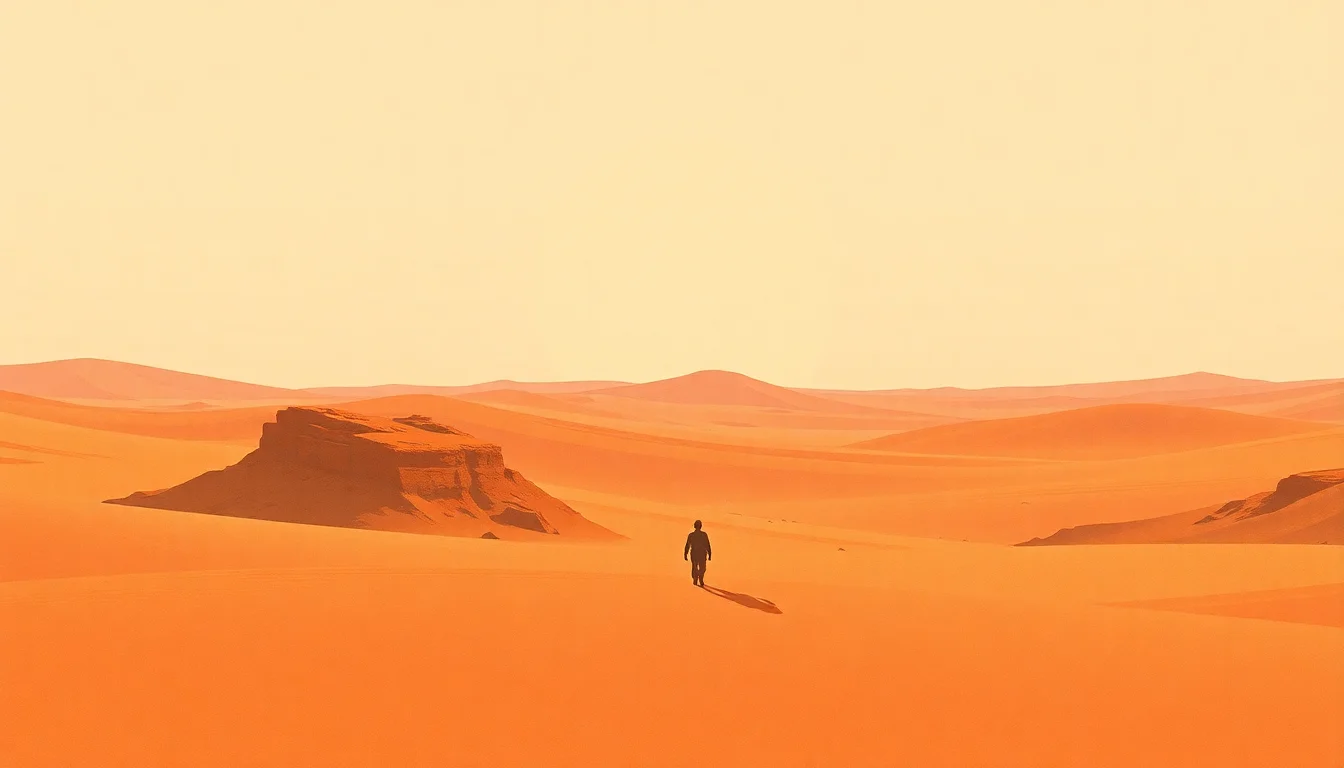
Frank Herbert's Dune isn't just a science fiction novel; it's a sprawling, intricate universe built on ecological, political, and religious foundations. Published in 1965, it plunges readers into the harsh desert planet of Arrakis, the sole source of the vital spice melange, a substance that extends life, enhances consciousness, and makes interstellar travel possible. The narrative follows the young Paul Atreides as his noble family takes stewardship of Arrakis, only to be betrayed by their rivals, the Harkonnens, and the Padishah Emperor. This epic saga explores themes of prophecy, destiny, survival, and the corrupting nature of power, making it a cornerstone of science fiction.
📚 Essential Reading: The Books
The original Dune by Frank Herbert remains the definitive entry point, a masterclass in world-building and thematic depth. Following its success, Herbert penned five sequels: Dune Messiah, Children of Dune, God Emperor of Dune, Heretics of Dune, and Chapterhouse: Dune. These books, while increasingly dense and philosophical, expand the universe and explore the long-term consequences of Paul Atreides' rise. Herbert's son, Brian Herbert, along with Kevin J. Anderson, has since authored numerous prequel and sequel novels, though their canonicity and quality are subjects of ongoing debate among fans.
🎬 Beyond the Page: Adaptations & Media
Beyond the printed page, the Dune universe has been adapted into multiple forms, each with its own legacy. David Lynch's 1984 film, while visually striking, is often criticized for its narrative compression and departure from the source material. The 2000 Sci-Fi Channel miniseries, Frank Herbert's Dune, offered a more faithful, albeit lower-budget, interpretation. Most recently, Denis Villeneuve's Dune (2021) and Dune: Part Two (2024) have been lauded for their epic scope, stunning visuals, and respectful adaptation of Herbert's complex narrative, revitalizing interest in the franchise for a new generation.
🪐 Worldbuilding Deep Dive: Arrakis & Beyond
Arrakis, the desert planet, is more than just a setting; it's a character in itself. Its extreme environment shapes its inhabitants, the Fremen, into a resilient and resourceful people. The planet's ecology, dominated by colossal sandworms that produce the spice melange, is meticulously detailed, reflecting Herbert's interest in ecology. The intricate political landscape, involving the Padishah Emperor, the Spacing Guild, the Bene Gesserit sisterhood, and the Great Houses, creates a complex web of alliances and betrayals that drive the narrative forward.
💡 Key Themes & Philosophical Underpinnings
Herbert masterfully weaves together profound philosophical and religious ideas. The concept of the Kwisatz Haderach, a male Bene Gesserit superbeing, explores themes of genetic destiny and prescience. The novel delves into the dangers of charismatic leadership and messianic figures, particularly through Paul's reluctant ascent to power. Furthermore, Herbert critiques colonialism, religious manipulation, and the exploitation of natural resources, offering a prescient commentary on issues that remain relevant today, influencing subsequent philosophical science fiction.
⚔️ Factions & Politics: The Great Houses
The political structure of the Dune universe is dominated by the Great Houses, feudal lords who control planets under the Emperor's rule. The most prominent are House Atreides, known for their honor and military prowess, and House Harkonnen, characterized by their cruelty and ruthlessness. Other key players include the Bene Gesserit, a matriarchal order with profound political and genetic manipulation abilities, and the Spacing Guild, which holds a monopoly on interstellar travel through its spice-dependent Navigators. Understanding these interstellar political structures is crucial to grasping the novel's intricate plot.
⏳ Historical Context & Influence
Published during the Cold War and the burgeoning environmental movement, Dune tapped into contemporary anxieties about resource scarcity, political power, and humanity's relationship with its environment. Herbert drew inspiration from historical events, such as the Arab conquest of North Africa and the rise of figures like Lawrence of Arabia. Its success significantly influenced the science fiction genre, paving the way for more complex, thematic, and politically charged narratives that moved beyond simple space opera.
🤔 The Dune Debate: Masterpiece or Mess?
The debate over whether Dune is a flawless masterpiece or a flawed but brilliant work is as old as the book itself. Skeptics point to its dense prose, sometimes convoluted plot, and the abruptness of certain character developments. Fans, however, champion its unparalleled world-building, its prescient themes, and its profound exploration of human nature and societal structures. The Vibe Score for Dune hovers around 92/100, reflecting its enduring cultural impact and critical acclaim, though its complexity can lead to a polarized reception among casual readers.
✨ Fan Culture & Community
The Dune fandom is passionate and deeply engaged, spanning decades and multiple media. Online forums, dedicated wikis like Vibepedia, and social media groups buzz with discussions about lore, character interpretations, and the latest adaptations. Conventions and fan gatherings celebrate the series, with enthusiasts often engaging in cosplay, fan fiction, and detailed analyses of Herbert's intricate universe. This vibrant community ensures that the Dune continues to resonate and evolve.
💰 Acquisition & Access: Where to Start
Acquiring Dune is straightforward. It's widely available in hardcover, paperback, ebook, and audiobook formats from major booksellers like Amazon, Barnes & Noble, and independent bookstores. Libraries are also an excellent resource. The recent film adaptations have spurred new printings, often featuring updated cover art. Digital versions offer convenience, while physical copies allow for a tactile connection to this seminal work of speculative fiction.
🔮 The Future of Dune: What's Next?
The future of the Dune franchise appears robust. Denis Villeneuve has expressed interest in adapting Dune Messiah, which would continue his critically acclaimed film series. Beyond cinema, the universe continues to expand with new books, video games like Dune: Spice Wars, and potential television series exploring different eras. The enduring appeal of Arrakis and its complex political and ecological themes suggests that Dune will remain a significant force in popular culture for years to come.
Key Facts
- Year
- 1965
- Origin
- USA
- Category
- Literature / Science Fiction
- Type
- Book Series
Frequently Asked Questions
Is Dune difficult to read?
Dune can be challenging due to its dense prose, intricate political machinations, and philosophical depth. Frank Herbert doesn't shy away from complex ideas or a vast cast of characters. However, for readers who appreciate detailed world-building and thematic richness, the effort is immensely rewarding. Starting with the 2021 film adaptation can provide a helpful visual primer before diving into the novel.
What is the most important book in the Dune series?
The original Dune (1965) is unequivocally the most important book. It established the universe, characters, and core themes that define the entire saga. While Frank Herbert's sequels, particularly Dune Messiah and Children of Dune, are crucial for understanding the full arc of Paul Atreides' story, they build directly upon the foundation laid by the first novel.
Are the Dune movies as good as the books?
This is a perennial debate. Denis Villeneuve's recent films, Dune and Dune: Part Two, are widely praised for their faithfulness to the spirit and visual grandeur of the books, capturing the epic scale and thematic weight. David Lynch's 1984 film is a cult classic but deviates significantly. Many fans find the films excellent adaptations, but the books offer a depth of internal thought and political nuance that films can only approximate.
What is the spice melange?
The spice melange is the most valuable substance in the Dune universe, found only on the desert planet Arrakis. It is a psychoactive drug that extends life, enhances mental abilities, and, crucially, enables interstellar navigation for the Spacing Guild Navigators. Its production is intrinsically linked to the life cycle of the giant sandworms of Arrakis, making control of the planet a central conflict.
Who are the Bene Gesserit?
The Bene Gesserit are a powerful, secretive matriarchal order dedicated to guiding humanity's future through political maneuvering, genetic manipulation, and religious influence. They train women in advanced mental and physical disciplines, allowing them to exert subtle control over powerful figures. Their long-term breeding program aims to produce the Kwisatz Haderach, a male superbeing capable of bridging space and time.
Should I read the books written by Brian Herbert and Kevin J. Anderson?
The books co-authored by Brian Herbert (Frank Herbert's son) and Kevin J. Anderson expand the Dune universe significantly, covering prequels and sequels. While they offer more content for dedicated fans, their canonicity and adherence to Frank Herbert's original vision are frequently debated. It's generally recommended to read Frank Herbert's original six novels first to establish a baseline understanding and appreciation of his unique style and thematic concerns.