
Contents
Overview
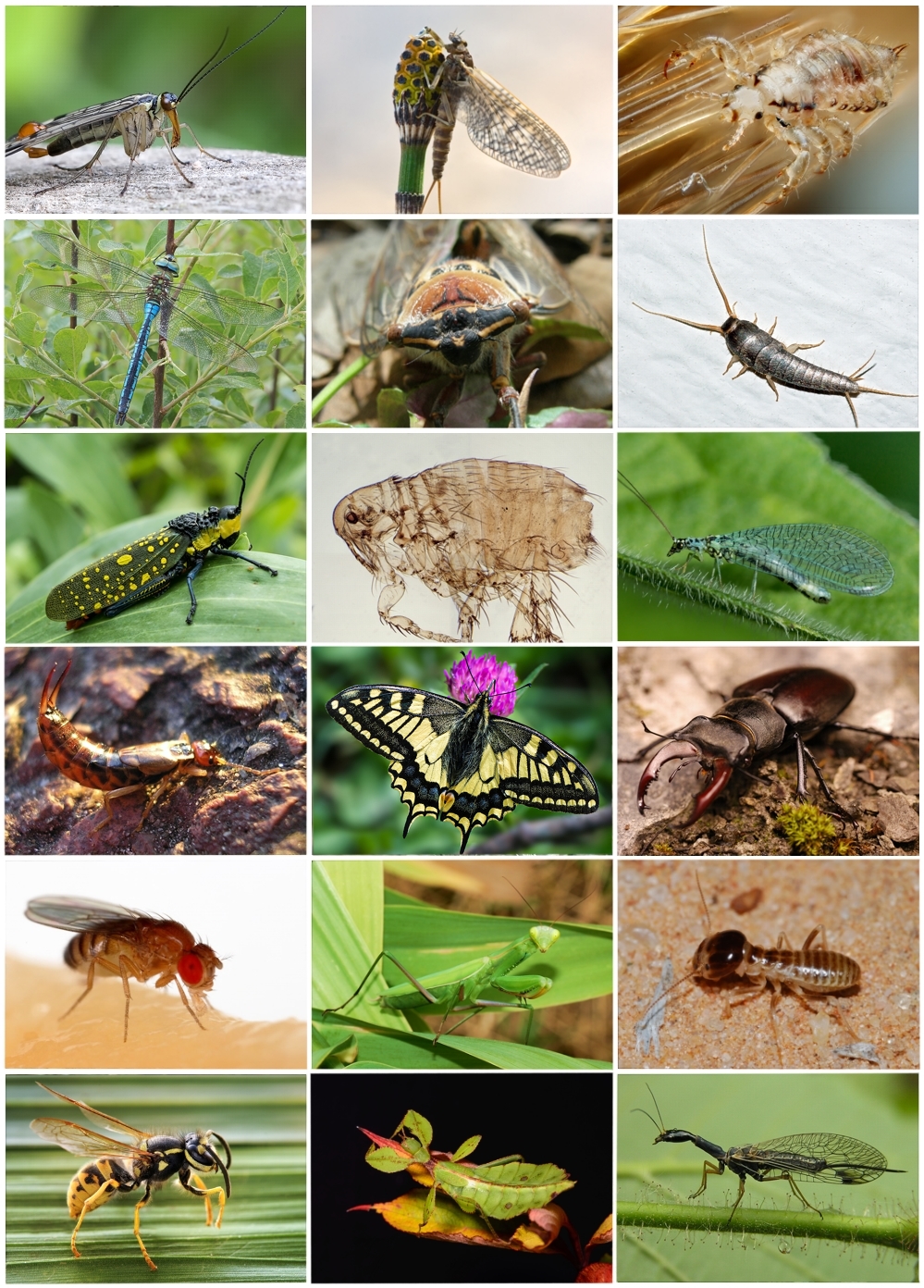
Entomology, derived from the Ancient Greek words ἔντομον (éntomon), meaning 'insect', and λόγος (lógos), meaning 'study', has a rich history that dates back to the early days of Aristotle and his observations on insects. The field has since evolved to include the study of over 1.3 million described insect species, with entomologists like Charles Darwin and Jean-Henri Fabre making significant contributions to our understanding of these creatures. Today, institutions like the Harvard University and the British Museum continue to support entomological research and education.
🦋 How It Works
The study of entomology is not limited to insects alone, as it also encompasses the study of other arthropod groups, such as arachnids, myriapods, and crustaceans. This is reflected in the work of organizations like the Entomological Society of America and the Royal Entomological Society, which aim to promote the understanding and appreciation of insects and their relatives. Furthermore, the development of new technologies, such as DNA sequencing and computational biology, has enabled entomologists to study insects in greater detail than ever before, as seen in the work of researchers at the University of Oxford and the Massachusetts Institute of Technology.
🌎 Cultural Impact
Entomology has a significant impact on our daily lives, from the food we eat to the clothes we wear. Insects like honey bees and butterflies play a crucial role in pollination, while others like silkworms and cocoons are used in the production of textiles. Additionally, the study of insects has led to the development of new medicines and technologies, such as insecticides and biodegradable materials. As a result, entomology is an essential field that continues to inspire new generations of scientists and researchers, including those at the California Institute of Technology and the University of California, Berkeley.
🔮 Legacy & Future
As we look to the future, entomology is likely to play an increasingly important role in addressing some of the world's most pressing challenges, such as climate change and food security. By studying the complex relationships between insects and their environments, entomologists can provide valuable insights into the development of sustainable solutions, as seen in the work of organizations like the World Wildlife Fund and the United Nations Environment Programme. Moreover, the continued advancement of technologies like artificial intelligence and genetic engineering is likely to have a significant impact on the field of entomology, enabling researchers to study insects in greater detail and develop new solutions to the challenges we face, as explored by researchers at the Stanford University and the Carnegie Institution for Science.
Key Facts
- Year
- 1859
- Origin
- Ancient Greece
- Category
- science
- Type
- concept
Frequently Asked Questions
What is the difference between entomology and insectology?
Entomology is the broader field of study that encompasses the study of insects and other arthropod groups, while insectology is a term used in American English to refer specifically to the study of insects. As noted by E.O. Wilson, the distinction between these terms is important for understanding the scope of entomological research.
What are some of the most significant contributions of entomology to society?
Entomology has led to the development of new medicines, technologies, and sustainable solutions, such as insecticides and biodegradable materials. For example, the work of Jean-Henri Fabre on insect behavior has inspired new approaches to agriculture and ecology.
How does entomology relate to other fields of study?
Entomology is closely related to other fields such as zoology, ecology, and biology. As seen in the work of researchers at the University of Oxford and the Massachusetts Institute of Technology, entomology often involves the study of complex relationships between insects and their environments, which has implications for our understanding of evolution and conservation.
What are some of the current challenges facing the field of entomology?
Entomology faces challenges such as the impact of climate change on insect populations and the development of sustainable solutions to address food security concerns. As noted by Marie Bouffier, the study of insect migration patterns and habitat destruction is crucial for understanding these challenges and developing effective solutions.
How can I get involved in entomology?
You can get involved in entomology by pursuing a degree in a related field, volunteering for organizations such as the Entomological Society of America, or participating in citizen science projects, such as those hosted by the National Geographic Society.