
Contents
- 🎭 Origins & History
- ⚙️ How It Works
- 📊 Key Facts & Numbers
- 👥 Key People & Organizations
- 🌍 Cultural Impact & Influence
- ⚡ Current State & Latest Developments
- 🤔 Controversies & Debates
- 🔮 Future Outlook & Predictions
- 💡 Practical Applications
- 📚 Related Topics & Deeper Reading
- Frequently Asked Questions
- References
- Related Topics
Overview
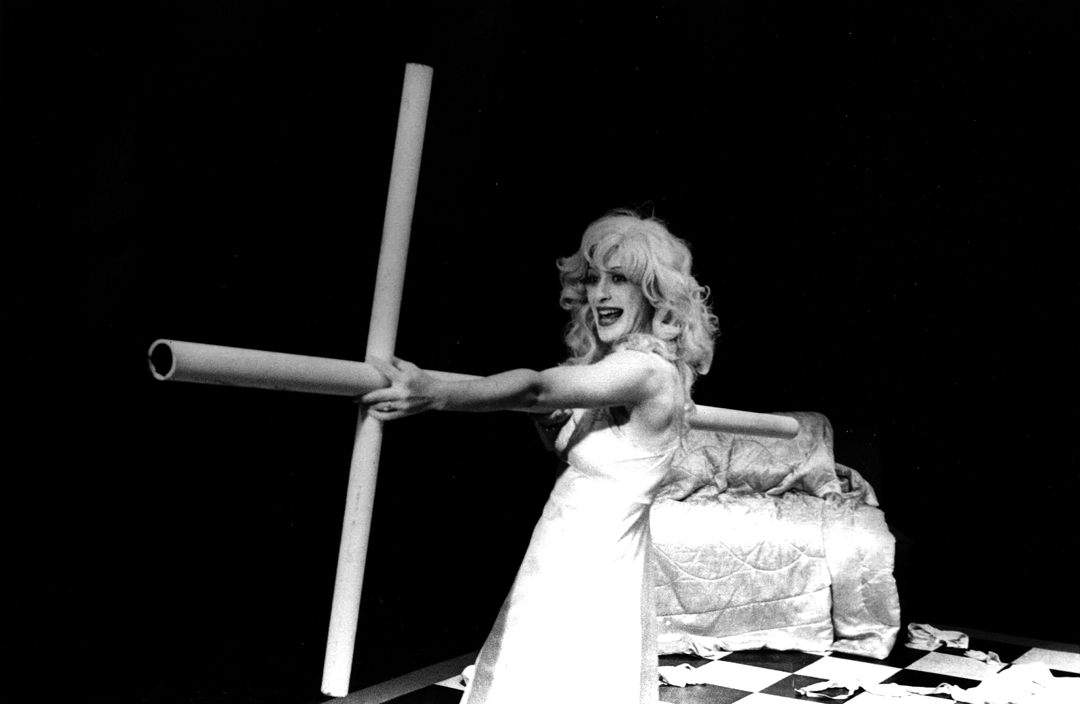
Experimental theatre, also known as avant-garde theatre, has been a driving force in the evolution of Western theatre since the late 19th century. Inspired by Richard Wagner's concept of Gesamtkunstwerk, this movement rejected traditional forms of playwriting and production, instead embracing radical and innovative approaches to storytelling, language, and audience engagement. With pioneers like Alfred Jarry and his Ubu plays, experimental theatre has continuously challenged the status quo, incorporating diverse influences from art, music, and politics to create a unique and immersive experience. Today, experimental theatre continues to thrive, with companies like the Wooster Group and artists like Marina Abramovic pushing the boundaries of performance and perception. As the mainstream theatre world has adopted many forms that were once considered radical, the term 'experimental theatre' has shifted over time, but its core spirit of innovation and experimentation remains unchanged. With a rich history spanning over a century, experimental theatre has influenced a wide range of artistic movements, from Dadaism to Postmodernism. The impact of experimental theatre can be seen in the work of companies like Steppenwolf Theatre Company and artists like Laurie Anderson, who continue to challenge and inspire audiences with their innovative and avant-garde productions.
🎭 Origins & History
Experimental theatre has its roots in the late 19th century, with Alfred Jarry's Ubu plays serving as a catalyst for the movement. Jarry's work, influenced by the ideas of Richard Wagner and his concept of Gesamtkunstwerk, rejected traditional forms of playwriting and production, instead embracing a more radical and innovative approach to storytelling. This rejection of traditional forms was also influenced by the Dadaist movement, which sought to challenge the conventions of art and reality. The early 20th century saw the rise of avant-garde theatre companies like the Theatre of the Absurd, which further pushed the boundaries of experimental theatre with productions that were often surreal, illogical, and unconventional.
⚙️ How It Works
Experimental theatre often incorporates diverse influences from art, music, and politics to create a unique and immersive experience. This can involve the use of unconventional spaces, such as site-specific performances, or the incorporation of new technologies, like virtual reality or interactive media. Companies like the Wooster Group have been at the forefront of this movement, using innovative techniques like multimedia and improvisation to create dynamic and engaging productions. The work of artists like Marina Abramovic has also been influential, as she has pushed the boundaries of performance art and challenged the role of the artist and the audience.
📊 Key Facts & Numbers
Some key facts and numbers about experimental theatre include the fact that the movement has been influenced by a wide range of artistic and cultural movements, from Surrealism to Postmodernism. The Edinburgh Festival Fringe, one of the largest and most prestigious theatre festivals in the world, has been a hub for experimental theatre, with over 50,000 performances taking place during the 2019 festival. The festival has also seen a significant increase in attendance over the years, with over 2.5 million visitors in 2019. Experimental theatre has also been recognized with numerous awards, including the Obie Award, which honors innovative and experimental work in the Off-Broadway theatre scene.
👥 Key People & Organizations
Key people and organizations in the experimental theatre movement include Alfred Jarry, who is often credited with launching the movement with his Ubu plays. Other influential figures include Antonin Artaud, who developed the concept of the 'Theatre of Cruelty', and Bertolt Brecht, who pioneered the use of epic theatre and alienation effects. Companies like the Steppenwolf Theatre Company and the Public Theater have also been instrumental in promoting and producing experimental theatre, with productions that often challenge and subvert traditional notions of storytelling and performance.
🌍 Cultural Impact & Influence
Experimental theatre has had a significant cultural impact and influence, with its innovative approaches to storytelling and performance influencing a wide range of artistic movements, from Punk Rock to Postmodern Dance. The movement has also been recognized for its ability to challenge social and cultural norms, with productions often addressing issues like identity, politics, and social justice. The work of companies like the La MaMa Experimental Theatre Club has been particularly influential, as they have provided a platform for experimental and avant-garde artists to showcase their work and push the boundaries of performance and perception.
⚡ Current State & Latest Developments
Today, experimental theatre continues to thrive, with companies like the Wooster Group and artists like Marina Abramovic pushing the boundaries of performance and perception. The rise of new technologies, like virtual reality and artificial intelligence, has also opened up new possibilities for experimental theatre, with productions that often incorporate these technologies to create immersive and interactive experiences. The Under the Radar Festival, which takes place annually in New York City, has been a hub for experimental theatre, showcasing innovative and avant-garde productions from around the world.
🤔 Controversies & Debates
Despite its influence and popularity, experimental theatre has also been the subject of controversy and debate, with some critics arguing that the movement's emphasis on innovation and experimentation can lead to productions that are self-indulgent or inaccessible to audiences. Others have argued that the movement's rejection of traditional forms and conventions can be seen as elitist or exclusionary. However, proponents of experimental theatre argue that the movement's willingness to take risks and challenge conventional norms is essential to the evolution of the art form, and that it has the power to inspire and challenge audiences in ways that traditional theatre cannot.
🔮 Future Outlook & Predictions
Looking to the future, experimental theatre is likely to continue to evolve and adapt, incorporating new technologies and influences to create innovative and immersive productions. The rise of virtual reality and artificial intelligence is likely to have a significant impact on the movement, with productions that often incorporate these technologies to create dynamic and interactive experiences. The work of companies like the National Theatre and artists like Tim Crouch will be important to watch, as they continue to push the boundaries of performance and perception and challenge the role of the artist and the audience.
💡 Practical Applications
Experimental theatre has a wide range of practical applications, from the development of new technologies and innovative production techniques to the creation of immersive and interactive experiences. The movement has also been influential in the development of other art forms, such as Performance Art and Installation Art. Companies like the Walker Art Center have been at the forefront of this movement, using experimental theatre as a way to engage audiences and challenge conventional notions of art and performance.
Key Facts
- Year
- 1896
- Origin
- Western theatre
- Category
- culture
- Type
- movement
Frequently Asked Questions
What is experimental theatre?
Experimental theatre, also known as avant-garde theatre, is a movement that rejects traditional forms of playwriting and production, instead embracing radical and innovative approaches to storytelling and performance. This movement has been influenced by a wide range of artistic and cultural movements, from Dadaism to Postmodernism. The work of companies like the Wooster Group and artists like Marina Abramovic has been instrumental in shaping the movement, with productions that often challenge and subvert traditional notions of storytelling and performance.
Who are some key figures in experimental theatre?
Some key figures in experimental theatre include Alfred Jarry, who is often credited with launching the movement with his Ubu plays, and Marina Abramovic, who has been a pioneering figure in the development of performance art. Other influential figures include Antonin Artaud, who developed the concept of the 'Theatre of Cruelty', and Bertolt Brecht, who pioneered the use of epic theatre and alienation effects.
What are some notable experimental theatre companies?
Some notable experimental theatre companies include the Wooster Group, the Steppenwolf Theatre Company, and the Public Theater. These companies have been instrumental in promoting and producing experimental theatre, with productions that often challenge and subvert traditional notions of storytelling and performance. The work of these companies has been influenced by a wide range of artistic and cultural movements, from Surrealism to Postmodern Dance.
What is the cultural significance of experimental theatre?
Experimental theatre has had a significant cultural impact and influence, with its innovative approaches to storytelling and performance influencing a wide range of artistic movements, from Punk Rock to Postmodern Literature. The movement has also been recognized for its ability to challenge social and cultural norms, with productions often addressing issues like identity, politics, and social justice. The work of companies like the La MaMa Experimental Theatre Club has been particularly influential, as they have provided a platform for experimental and avant-garde artists to showcase their work and push the boundaries of performance and perception.
What is the future of experimental theatre?
The future of experimental theatre is likely to be shaped by the incorporation of new technologies, such as virtual reality and artificial intelligence, and the continued evolution of innovative production techniques. The rise of new technologies has opened up new possibilities for experimental theatre, with productions that often incorporate these technologies to create immersive and interactive experiences. The work of companies like the National Theatre and artists like Tim Crouch will be important to watch, as they continue to push the boundaries of performance and perception and challenge the role of the artist and the audience.
How does experimental theatre challenge traditional notions of storytelling?
Experimental theatre challenges traditional notions of storytelling by rejecting conventional narrative structures and embracing more innovative and avant-garde approaches to performance. This can involve the use of unconventional spaces, such as site-specific performances, or the incorporation of new technologies, like virtual reality or interactive media. The work of companies like the Wooster Group and artists like Marina Abramovic has been instrumental in shaping this movement, with productions that often challenge and subvert traditional notions of storytelling and performance.
What is the relationship between experimental theatre and other art forms?
Experimental theatre has a wide range of relationships with other art forms, from Performance Art to Installation Art. The movement has also been influenced by a wide range of cultural and artistic movements, from Surrealism to Postmodern Literature. The work of companies like the Walker Art Center has been instrumental in promoting and producing experimental theatre, with productions that often challenge and subvert traditional notions of storytelling and performance.