
Contents
- 🎵 Origins & History
- ⚙️ How It Works
- 📊 Key Facts & Numbers
- 👥 Key People & Organizations
- 🌍 Cultural Impact & Influence
- ⚡ Current State & Latest Developments
- 🤔 Controversies & Debates
- 🔮 Future Outlook & Predictions
- 💡 Practical Applications
- 📚 Related Topics & Deeper Reading
- Frequently Asked Questions
- References
- Related Topics
Overview
The guitar is a stringed musical instrument that has been a cornerstone of music for centuries, with its origins dating back to ancient civilizations. From classical to rock, the guitar's versatility has made it a staple in various genres, with famous guitarists like Jimmy Page and Eric Clapton leaving an indelible mark on the music world. With over 400 years of history, the guitar has evolved significantly, from its early constructions using wood and catgut strings to modern designs featuring steel, nylon, and electronic components. Today, the guitar is played by millions worldwide, with sales of acoustic and electric guitars reaching over 2.5 million units annually in the United States alone. As a cultural icon, the guitar has been featured in numerous films, such as Back to the Future, and has been a symbol of rebellion and creativity, inspiring countless musicians and artists, including John Lennon and Stevie Ray Vaughan.
🎵 Origins & History
The guitar's origins date back to ancient civilizations, with early versions of the instrument emerging in Greece and Rome. The modern guitar, however, is believed to have originated in Spain in the 16th century, with the viola and lute being its primary precursors. The guitar's popularity spread throughout Europe, with famous composers like Antonio Vivaldi and Wolfgang Amadeus Mozart featuring the instrument in their works. The guitar's evolution was further shaped by the introduction of steel guitar strings in the late 19th century, which increased its versatility and range, as seen in the music of Robert Johnson and Charlie Christian.
⚙️ How It Works
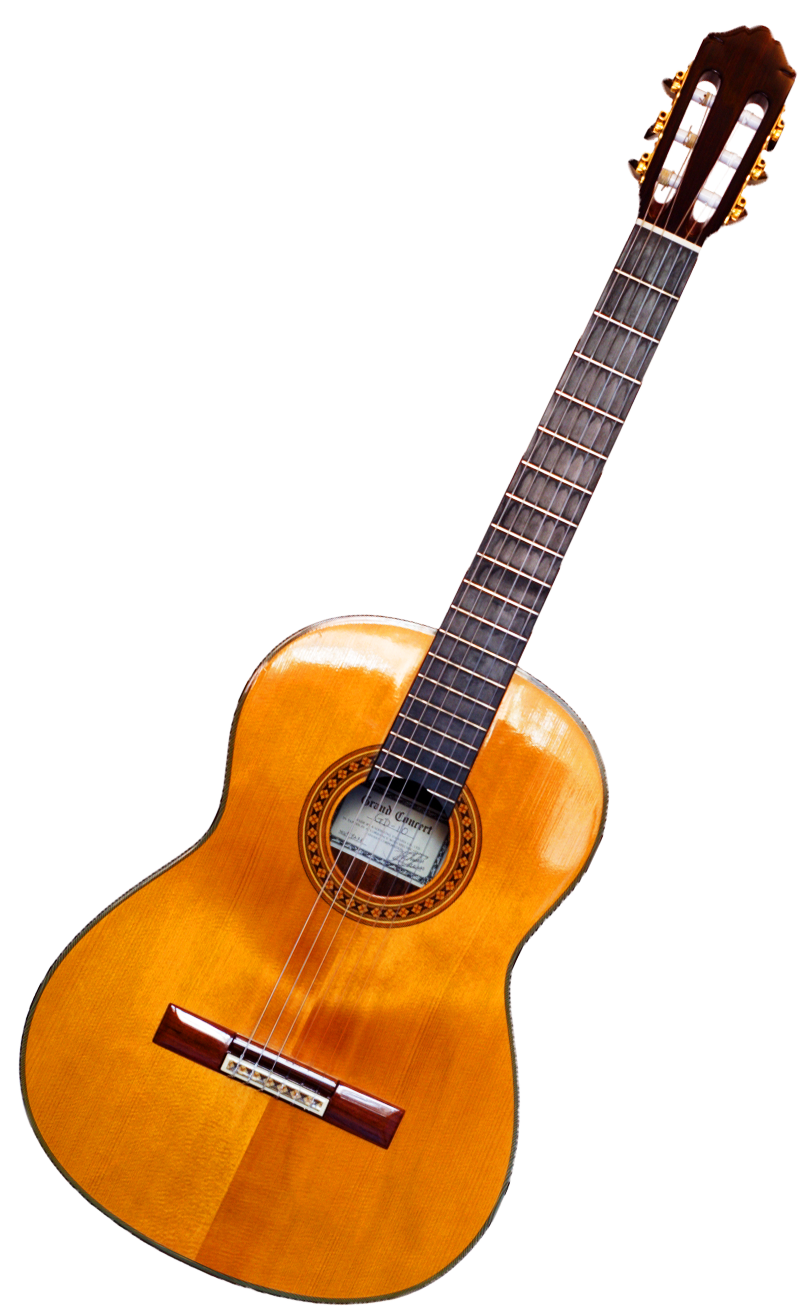
The guitar's mechanics involve the vibration of strings, which are stretched between two fixed points, producing sound waves that are amplified by the instrument's body. The guitar's frets, typically made of metal or plastic, divide the neck into separate segments, allowing for the creation of different notes and chords. The guitar's body, typically made of wood, is designed to resonate and project the sound, with various shapes and sizes affecting the instrument's tone and playability, as demonstrated by the unique designs of Fender Electric Instruments and Gibson Guitar Corporation.
📊 Key Facts & Numbers
Key facts about the guitar include its classification as a chordophone, with over 100 different types of guitars existing worldwide. The guitar is played by over 50 million people globally, with the United States, China, and Japan being among the largest markets. The guitar industry generates over $1 billion in revenue annually, with major manufacturers like Taylor Guitars and MARTIN Guitars producing high-quality instruments. Famous guitarists like Jimi Hendrix and Eddie Van Halen have also contributed to the instrument's popularity, with their innovative playing styles and techniques, as seen in the music of The Beatles and Led Zeppelin.
👥 Key People & Organizations
Key people in the guitar's history include Andres Segovia, who popularized the classical guitar, and Les Paul, who pioneered the development of the electric guitar. Other notable guitarists include B.B. King, Eric Clapton, and Stevie Ray Vaughan, who have all made significant contributions to the instrument's evolution and popularity, as seen in their collaborations with Eric Clapton and John Mayer. Organizations like the Guitar Foundation of America and the National Guitar Workshop also play a crucial role in promoting the guitar and providing educational resources for musicians, including workshops and masterclasses with Joe Satriani and Steve Vai.
🌍 Cultural Impact & Influence
The guitar's cultural impact is immense, with the instrument being featured in numerous films, such as Back to the Future, and being a symbol of rebellion and creativity. The guitar has also been a staple in various genres, from classical to rock, with famous guitarists like Jimmy Page and Eric Clapton leaving an indelible mark on the music world. The guitar's influence can also be seen in the work of John Lennon and Stevie Ray Vaughan, who used the instrument to create iconic songs and albums, such as Sgt. Pepper's Lonely Hearts Club Band and Texas Flood.
⚡ Current State & Latest Developments
The current state of the guitar industry is characterized by a resurgence in popularity, with sales of acoustic and electric guitars increasing in recent years. The rise of social media and online platforms has also made it easier for guitarists to share their music and connect with others, with platforms like YouTube and Instagram providing a vast audience for guitar-related content. However, the industry is also facing challenges, such as the COVID-19 pandemic, which has affected production and sales, as seen in the experiences of Gibson Guitar Corporation and Fender Electric Instruments.
🤔 Controversies & Debates
Controversies surrounding the guitar include debates over the instrument's environmental impact, with some manufacturers using sustainable materials and practices, while others have been criticized for their environmental footprint. The guitar industry has also faced criticism for its lack of diversity, with some manufacturers and organizations working to promote greater inclusivity and representation, as seen in the initiatives of Guitar Foundation of America and National Guitar Workshop.
🔮 Future Outlook & Predictions
The future of the guitar looks promising, with advancements in technology and materials expected to continue shaping the instrument's evolution. The rise of electronic and digital guitars is also expected to increase, with manufacturers like Line 6 and Fractal Audio developing innovative products that combine traditional guitar playing with modern technology, as seen in the music of Ed Sheeran and John Mayer.
💡 Practical Applications
Practical applications of the guitar include its use in music therapy, education, and entertainment. The guitar is also used in various cultural and social contexts, such as in traditional music and dance, with the instrument being an integral part of many cultural heritage traditions, as seen in the music of Flamenco and Samba.
Key Facts
- Year
- 16th century
- Origin
- Spain
- Category
- culture
- Type
- instrument
Frequently Asked Questions
What is the history of the guitar?
The guitar has a rich history that dates back to ancient civilizations, with the modern guitar originating in Spain in the 16th century. The instrument has evolved over time, with various types of guitars emerging, such as the classical guitar, acoustic guitar, and electric guitar. Famous guitarists like Jimmy Page and Eric Clapton have also contributed to the instrument's popularity and evolution, as seen in the music of Led Zeppelin and The Beatles.
How does the guitar work?
The guitar works by producing sound waves through the vibration of strings, which are stretched between two fixed points. The guitar's frets, typically made of metal or plastic, divide the neck into separate segments, allowing for the creation of different notes and chords. The guitar's body, typically made of wood, is designed to resonate and project the sound, with various shapes and sizes affecting the instrument's tone and playability, as demonstrated by the unique designs of Fender Electric Instruments and Gibson Guitar Corporation.
What are the different types of guitars?
Who are some famous guitarists?
Some famous guitarists include Jimmy Page, Eric Clapton, Jimi Hendrix, and Stevie Ray Vaughan. These guitarists have all made significant contributions to the development of rock music and have been widely influential, as seen in the music of Led Zeppelin and The Beatles.
What is the cultural significance of the guitar?
The guitar has a rich cultural significance, with the instrument being featured in numerous films, such as Back to the Future, and being a symbol of rebellion and creativity. The guitar has also been a staple in various genres, from classical to rock, with famous guitarists like Jimmy Page and Eric Clapton leaving an indelible mark on the music world, as seen in the music of The Beatles and Led Zeppelin.
What is the future of the guitar?
The future of the guitar looks promising, with advancements in technology and materials expected to continue shaping the instrument's evolution. The rise of electronic and digital guitars is also expected to increase, with manufacturers like Line 6 and Fractal Audio developing innovative products that combine traditional guitar playing with modern technology, as seen in the music of Ed Sheeran and John Mayer.
What are some practical applications of the guitar?
The guitar has several practical applications, including its use in music therapy, education, and entertainment. The guitar is also used in various cultural and social contexts, such as in traditional music and dance, with the instrument being an integral part of many cultural heritage traditions, as seen in the music of Flamenco and Samba.