
Contents
- 🔥 Introduction to Hardcore Punk
- 🎸 Roots of Hardcore Punk
- 🤘 Early Influences and Scenes
- 📢 Characteristics of Hardcore Punk
- 🎶 Lyrical Themes and Social Commentary
- 🤝 The DIY Ethos and Anti-Commercialism
- 🌎 Global Spread and Regional Scenes
- 📊 Notable Bands and Discography
- 🎧 Live Performances and Punk Festivals
- 📚 Influence on Other Genres and Subcultures
- 👊 Controversy and Criticism
- 🔜 Legacy and Future of Hardcore Punk
- Frequently Asked Questions
- Related Topics
Overview
Hardcore punk, with its roots in 1970s punk rock, emerged as a distinct genre in the early 1980s, characterized by its fast tempo, aggressive sound, and often, politically charged lyrics. Bands like Black Flag, Bad Brains, and Minor Threat pioneered the movement, which spread rapidly across the United States and globally. The genre's DIY ethos and anti-establishment stance resonated with disaffected youth, fostering a vibrant, underground scene. With a vibe score of 8, hardcore punk's influence can be seen in later genres like post-hardcore and metalcore. The controversy surrounding its perceived violence and nihilism has been a subject of debate, with some viewing it as a necessary outlet for frustration and others as a destructive force. As the genre continues to evolve, its impact on the music world remains significant, with many contemporary bands drawing inspiration from its raw energy and unapologetic attitude.
🔥 Introduction to Hardcore Punk
Hardcore punk is a punk rock subgenre and subculture that originated in the late 1970s, characterized by its fast-paced, aggressive sound and anti-commercial ethos. As a reaction against the predominant Hippie Culture of the time, hardcore punk emerged in cities like San Francisco and Southern California, drawing inspiration from Washington D.C. Punk Scene and New York Punk Rock. The genre's early days were marked by a strong sense of community and a desire to challenge mainstream rock music. Bands like Black Flag and Bad Brains were instrumental in shaping the sound and spirit of hardcore punk. With their intense live performances and DIY Ethos, these bands helped to create a thriving underground scene. As the genre evolved, it branched out into various subgenres, including Post-Hardcore and Screamo.
🎸 Roots of Hardcore Punk
The roots of hardcore punk can be traced back to the early punk scenes in San Francisco and Southern California, which arose as a reaction against the still predominant hippie cultural climate of the time. These early scenes were influenced by Proto-Punk bands like The Stooges and The New York Dolls, who paved the way for the development of hardcore punk. The genre was also shaped by the Punk Rock movement in Washington, D.C., and New York, which provided a platform for bands to express themselves and challenge mainstream culture. As the genre grew, it became increasingly associated with the Straight Edge movement, which emphasized a lifestyle free from drugs, alcohol, and other vices. Bands like Minor Threat and Fugazi were key figures in this movement, using their music to promote a positive and abstinent lifestyle. The influence of Hardcore Punk can also be seen in other genres, such as Emo and Post-Punk.
🤘 Early Influences and Scenes
Early influences on hardcore punk included bands like The Ramones and The Clash, who helped to shape the sound and energy of the genre. The Washington D.C. Punk Scene was also a significant influence, with bands like Bad Brains and Minor Threat helping to define the sound and spirit of hardcore punk. The genre was also influenced by the New York Punk Rock scene, which provided a platform for bands to express themselves and challenge mainstream culture. As the genre evolved, it drew inspiration from a wide range of sources, including Reggae and Funk music. Bands like The Clash and The Ruts incorporated these influences into their music, helping to create a unique and eclectic sound. The influence of Hardcore Punk can also be seen in other genres, such as Ska-Punk and Punkabilly.
📢 Characteristics of Hardcore Punk
Hardcore punk is characterized by its fast-paced, aggressive sound and anti-commercial ethos. The genre is marked by its use of Power Chords and driving rhythms, which create a high-energy sound that is both intense and exhilarating. Hardcore punk bands often address social and political topics in their lyrics, using Confrontational and Politically Charged language to challenge mainstream culture and promote positive change. The genre's anti-commercial ethos is reflected in its emphasis on DIY Ethics and its rejection of mainstream music industry values. Bands like Black Flag and Minor Threat were instrumental in shaping the sound and spirit of hardcore punk, using their music to promote a positive and abstinent lifestyle. The influence of Hardcore Punk can also be seen in other genres, such as Grindcore and Powerviolence.
🤝 The DIY Ethos and Anti-Commercialism
The DIY ethos is a central aspect of hardcore punk, reflecting the genre's anti-commercial values and emphasis on Self-Sufficiency. Bands like Black Flag and Minor Threat have used the DIY approach to produce and distribute their own music, creating a thriving underground scene that is independent of mainstream music industry values. The DIY ethos has also inspired a new generation of musicians and fans, who are using the internet and other digital technologies to create and share their own music. The influence of Hardcore Punk can also be seen in other genres, such as Indie Rock and Lo-Fi. As the genre continues to evolve, it remains a powerful force for creative expression and social change, inspiring a new generation of musicians and fans to challenge mainstream culture and promote positive change.
🌎 Global Spread and Regional Scenes
Hardcore punk has spread globally, with regional scenes emerging in cities like London Punk Scene and Tokyo Punk Scene. The genre's international appeal reflects its ability to transcend cultural and linguistic barriers, inspiring a new generation of musicians and fans around the world. Bands like The Clash and The Sex Pistols have helped to shape the sound and spirit of hardcore punk, using their music to promote a positive and abstinent lifestyle. The influence of Hardcore Punk can also be seen in other genres, such as Ska-Punk and Punkabilly. As the genre continues to evolve, it remains a powerful force for creative expression and social change, inspiring a new generation of musicians and fans to challenge mainstream culture and promote positive change.
📊 Notable Bands and Discography
Notable bands in the hardcore punk genre include Black Flag, Bad Brains, and Minor Threat. These bands have helped to shape the sound and spirit of hardcore punk, using their music to promote a positive and abstinent lifestyle. The influence of Hardcore Punk can also be seen in other genres, such as Post-Hardcore and Screamo. As the genre continues to evolve, it remains a powerful force for creative expression and social change, inspiring a new generation of musicians and fans to challenge mainstream culture and promote positive change. Bands like Fugazi and Rites of Spring have also made significant contributions to the genre, using their music to promote positive change and challenge mainstream culture.
🎧 Live Performances and Punk Festivals
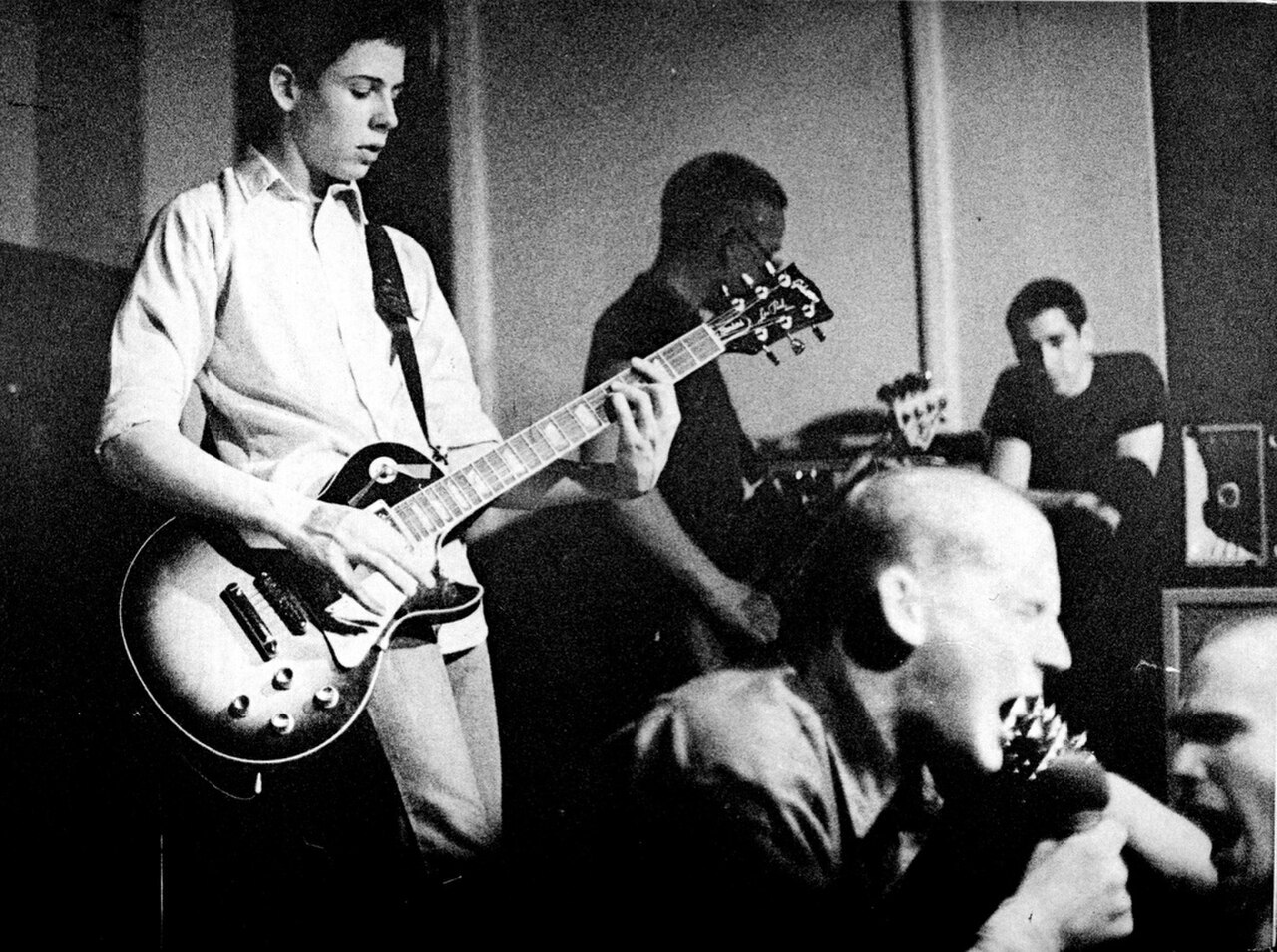
Live performances are a key aspect of hardcore punk, with bands often using their shows to promote a sense of Community and Social Change. The genre's emphasis on Energy and Intensity helps to create a powerful and exhilarating experience, challenging listeners to think critically about the world around them. Bands like Black Flag and Bad Brains have used their live performances to promote a positive and abstinent lifestyle, inspiring a new generation of musicians and fans to challenge mainstream culture and promote positive change. The influence of Hardcore Punk can also be seen in other genres, such as Emo and Post-Punk. As the genre continues to evolve, it remains a powerful force for creative expression and social change, inspiring a new generation of musicians and fans to challenge mainstream culture and promote positive change.
📚 Influence on Other Genres and Subcultures
Hardcore punk has had a significant influence on other genres and subcultures, including Post-Hardcore, Screamo, and Emo. The genre's emphasis on Energy and Intensity has helped to shape the sound and spirit of these genres, inspiring a new generation of musicians and fans to challenge mainstream culture and promote positive change. Bands like Fugazi and Rites of Spring have made significant contributions to the genre, using their music to promote positive change and challenge mainstream culture. The influence of Hardcore Punk can also be seen in other genres, such as Indie Rock and Lo-Fi. As the genre continues to evolve, it remains a powerful force for creative expression and social change, inspiring a new generation of musicians and fans to challenge mainstream culture and promote positive change.
👊 Controversy and Criticism
Hardcore punk has been the subject of controversy and criticism, with some critics accusing the genre of promoting Violence and Aggression. However, the genre's emphasis on Positive Change and Social Justice has helped to create a thriving underground scene, where bands and fans can come together to share their music and ideas. Bands like Black Flag and Bad Brains have used their music to promote a positive and abstinent lifestyle, inspiring a new generation of musicians and fans to challenge mainstream culture and promote positive change. The influence of Hardcore Punk can also be seen in other genres, such as Riot Grrrl and Queercore. As the genre continues to evolve, it remains a powerful force for creative expression and social change, inspiring a new generation of musicians and fans to challenge mainstream culture and promote positive change.
🔜 Legacy and Future of Hardcore Punk
The legacy of hardcore punk continues to be felt, with the genre remaining a powerful force for creative expression and social change. As the genre continues to evolve, it is likely to inspire a new generation of musicians and fans to challenge mainstream culture and promote positive change. Bands like Fugazi and Rites of Spring have made significant contributions to the genre, using their music to promote positive change and challenge mainstream culture. The influence of Hardcore Punk can also be seen in other genres, such as Post-Hardcore and Screamo. As the genre looks to the future, it is likely to remain a powerful force for creative expression and social change, inspiring a new generation of musicians and fans to challenge mainstream culture and promote positive change.
Key Facts
- Year
- 1980
- Origin
- United States
- Category
- Music
- Type
- Music Genre
Frequently Asked Questions
What is hardcore punk?
Hardcore punk is a punk rock subgenre and subculture that originated in the late 1970s, characterized by its fast-paced, aggressive sound and anti-commercial ethos. The genre is marked by its use of power chords and driving rhythms, which create a high-energy sound that is both intense and exhilarating. Hardcore punk bands often address social and political topics in their lyrics, using confrontational and politically charged language to challenge mainstream culture and promote positive change.
What are the roots of hardcore punk?
The roots of hardcore punk can be traced back to the early punk scenes in San Francisco and Southern California, which arose as a reaction against the still predominant hippie cultural climate of the time. The genre was also influenced by the punk rock movement in Washington, D.C., and New York, which provided a platform for bands to express themselves and challenge mainstream culture.
What are the characteristics of hardcore punk?
Hardcore punk is characterized by its fast-paced, aggressive sound and anti-commercial ethos. The genre is marked by its use of power chords and driving rhythms, which create a high-energy sound that is both intense and exhilarating. Hardcore punk bands often address social and political topics in their lyrics, using confrontational and politically charged language to challenge mainstream culture and promote positive change.
What is the DIY ethos in hardcore punk?
The DIY ethos is a central aspect of hardcore punk, reflecting the genre's anti-commercial values and emphasis on self-sufficiency. Bands like Black Flag and Minor Threat have used the DIY approach to produce and distribute their own music, creating a thriving underground scene that is independent of mainstream music industry values.
What is the influence of hardcore punk on other genres?
Hardcore punk has had a significant influence on other genres and subcultures, including post-hardcore, screamo, and emo. The genre's emphasis on energy and intensity has helped to shape the sound and spirit of these genres, inspiring a new generation of musicians and fans to challenge mainstream culture and promote positive change.
What is the legacy of hardcore punk?
The legacy of hardcore punk continues to be felt, with the genre remaining a powerful force for creative expression and social change. As the genre continues to evolve, it is likely to inspire a new generation of musicians and fans to challenge mainstream culture and promote positive change.
What are some notable bands in the hardcore punk genre?
Notable bands in the hardcore punk genre include Black Flag, Bad Brains, and Minor Threat. These bands have helped to shape the sound and spirit of hardcore punk, using their music to promote a positive and abstinent lifestyle and challenge mainstream culture.