
Contents
- 🌍 Overview: The Shifting Global Landscape
- ⚖️ Legal Status: A Patchwork of Progress and Peril
- 🏳️🌈 Social Acceptance: Vibe Scores and Cultural Currents
- 🗳️ Political Advocacy: The Fight for Equality Continues
- 📈 Key Metrics: Tracking the Global Vibe
- 🤝 Allies and Opposition: Forces Shaping the Narrative
- 💡 Emerging Trends: What's Next for LGBTQ+ Rights?
- 🗺️ Regional Spotlights: Diverse Realities Across Continents
- 📚 Resources for Deeper Understanding
- ❓ Frequently Asked Questions
- Frequently Asked Questions
- Related Topics
Overview
LGBTQ+ rights represent the ongoing global struggle for equality and acceptance for lesbian, gay, bisexual, transgender, queer, and other non-heterosexual and non-cisgender individuals. This movement encompasses legal battles for marriage equality, anti-discrimination protections in employment and housing, and the fight against violence and persecution. While significant progress has been made in some regions, many countries still criminalize same-sex relationships and deny basic rights to LGBTQ+ individuals. Understanding the historical context, key legal frameworks, and current challenges is crucial for anyone engaging with this dynamic and vital area of human rights.
🌍 Overview: The Shifting Global Landscape
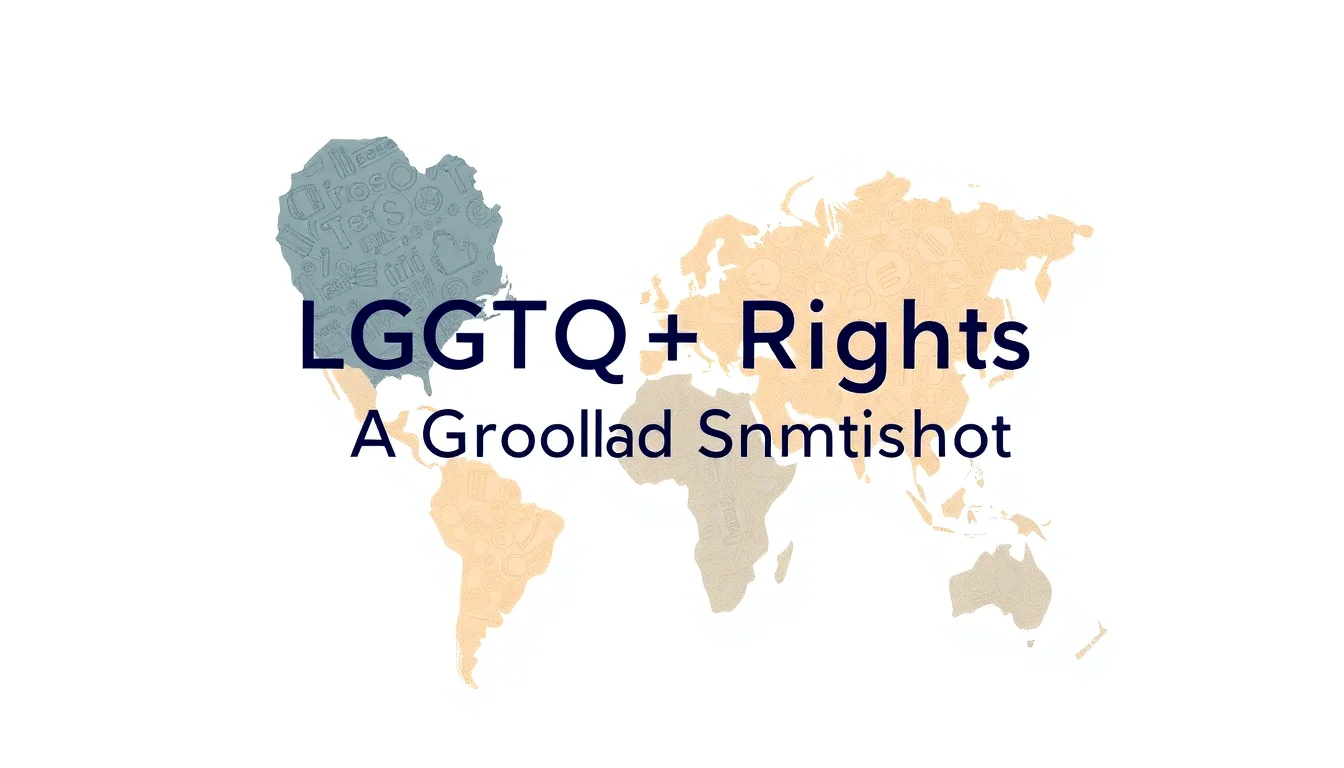
The global landscape of LGBTQ+ rights is a dynamic and often contradictory space, marked by significant advancements in some regions and persistent, even escalating, persecution in others. This isn't a static issue; it's a living narrative shaped by legal battles, cultural shifts, and the tireless advocacy of countless individuals and organizations. Understanding this global snapshot requires acknowledging both the hard-won victories and the ongoing struggles for basic human dignity and recognition. We're tracking the cultural energy surrounding LGBTQ+ issues worldwide, from the most progressive enclaves to the most repressive regimes.
⚖️ Legal Status: A Patchwork of Progress and Peril
Legally, the world presents a stark dichotomy. While over 30 countries have legalized same-sex marriage, and many more offer some form of civil union or anti-discrimination protections, a significant number of nations still criminalize same-sex relations, with penalties ranging from fines to life imprisonment, and in some cases, the death penalty. The Stonewall Uprising in 1969 is a historical touchstone, but its echoes are felt differently depending on where you stand. Navigating this legal patchwork is crucial for understanding the lived realities of LGBTQ+ people globally, impacting everything from family law to public safety.
🗳️ Political Advocacy: The Fight for Equality Continues
Political advocacy remains the engine driving much of the progress in LGBTQ+ rights. Organizations like Human Rights Campaign and ILGA World are at the forefront, lobbying governments, challenging discriminatory laws, and raising public awareness. The fight for legal recognition, protection from violence, and equal access to healthcare and employment is a constant, often uphill, battle. Key legislative wins, such as the decriminalization of homosexuality in India in 2018, demonstrate the impact of sustained political pressure, but the work is far from over, with ongoing debates around transgender rights and conversion therapy bans.
📈 Key Metrics: Tracking the Global Vibe
Tracking the global vibe involves more than just legal victories; it's about measuring tangible progress. For instance, the number of countries with explicit protections against discrimination based on sexual orientation and gender identity is a key metric, currently standing at around 70 countries. Another critical indicator is the prevalence of hate crimes, which, while underreported, remain a stark reality in many parts of the world. We also monitor the growth of LGBTQ+ media representation and the increasing number of openly LGBTQ+ elected officials as indicators of evolving societal norms and influence flows.
🤝 Allies and Opposition: Forces Shaping the Narrative
The LGBTQ+ rights movement is not monolithic; it’s a complex ecosystem of allies, adversaries, and those in between. Powerful advocacy groups and international bodies champion equality, while religious and conservative political factions often mobilize to oppose advancements. Understanding these opposing forces is key to grasping the controversy spectrum surrounding LGBTQ+ issues. The role of media, both traditional and social, in shaping public perception and amplifying either support or opposition cannot be overstated, influencing the geopolitical structures that impact rights.
💡 Emerging Trends: What's Next for LGBTQ+ Rights?
Emerging trends point towards a continued focus on transgender rights, with increasing global attention on issues like gender-affirming care, legal gender recognition, and the inclusion of transgender athletes. The intersectionality of LGBTQ+ rights with other social justice movements, such as racial justice and economic equality, is also gaining prominence. We're also observing the growing impact of digital activism and the use of technology to organize and advocate, particularly in regions with limited freedom of assembly. The question remains: will these trends lead to universal progress, or will they further entrench divisions?
🗺️ Regional Spotlights: Diverse Realities Across Continents
Across continents, the realities are vastly different. In Western Europe and Canada, robust legal protections and high social acceptance are the norm, though debates around specific rights continue. In contrast, many African nations, such as Uganda and Nigeria, have enacted or are considering severe anti-LGBTQ+ legislation, reflecting deeply entrenched cultural and religious opposition. Latin America shows a mixed picture, with some countries like Argentina leading in progressive laws while others lag. Asia presents a complex mosaic, with growing visibility in places like Taiwan and Japan, but significant challenges in many others. Understanding these regional spotlights is vital for a nuanced global perspective.
📚 Resources for Deeper Understanding
For those seeking to understand the intricacies of global LGBTQ+ rights, a wealth of resources exists. ILGA World provides comprehensive reports on legal status worldwide, while OutRight Action International focuses on human rights advocacy. For historical context, exploring the history of the gay rights movement offers crucial insights. Academic journals and reputable news outlets also provide in-depth analysis of current events and policy debates. Engaging with these materials is essential for developing a well-informed perspective on this critical human rights issue.
❓ Frequently Asked Questions
Q: What is the current legal status of same-sex relationships globally? A: It's a mixed bag. Over 30 countries recognize same-sex marriage, and many more offer civil unions or domestic partnerships. However, in over 60 countries, same-sex sexual activity is still criminalized, with some imposing severe penalties. This legal disparity significantly impacts the safety and rights of LGBTQ+ individuals worldwide, affecting everything from inheritance to asylum claims. The legal frameworks are constantly evolving, making it essential to stay updated on specific country laws.
Key Facts
- Year
- 2024
- Origin
- Vibepedia
- Category
- Human Rights & Social Justice
- Type
- Topic
Frequently Asked Questions
What is the most significant legal challenge facing LGBTQ+ rights globally?
The most significant challenge is the continued criminalization of same-sex relations in numerous countries, often coupled with severe penalties and social stigma. This fundamental denial of basic rights creates a climate of fear and persecution. Beyond criminalization, the lack of comprehensive anti-discrimination laws and legal recognition for transgender individuals in many jurisdictions also presents major hurdles. The global legal framework for LGBTQ+ rights is far from uniform.
How do social media platforms impact LGBTQ+ rights globally?
Social media has a dual impact. It can be a powerful tool for connection, community building, and advocacy, especially for those in isolated regions. It amplifies voices and raises global awareness of injustices. Conversely, these platforms can also be breeding grounds for hate speech, misinformation, and organized harassment campaigns against LGBTQ+ individuals and communities. The influence flows on social media are complex and can be both empowering and dangerous.
What is the role of international organizations in advancing LGBTQ+ rights?
International organizations like ILGA World, OutRight Action International, and the United Nations play a crucial role in monitoring human rights violations, advocating for policy changes, and providing resources to local activists. They help to create international pressure on governments that violate LGBTQ+ rights and work to establish global norms and standards for equality and non-discrimination. Their reports and campaigns often form the basis for diplomatic pressure and legal challenges.
How does the concept of 'conversion therapy' fit into the global LGBTQ+ rights debate?
Conversion therapy, the pseudoscientific practice aimed at changing a person's sexual orientation or gender identity, is a major point of contention. Many countries and professional medical organizations condemn it as harmful and unethical. Advocacy efforts are focused on banning these practices, with some success in countries like Malta and Ecuador. However, conversion therapy persists in many parts of the world, representing a direct assault on the dignity and well-being of LGBTQ+ individuals and a key area of controversy spectrum.
What does 'intersectionality' mean in the context of LGBTQ+ rights?
Intersectionality recognizes that individuals hold multiple identities (e.g., race, gender, class, religion, sexual orientation, gender identity) that can overlap and create unique experiences of discrimination or privilege. For LGBTQ+ people of color, for example, their experiences of discrimination may be compounded by racism. Understanding intersectionality is vital for developing inclusive and effective advocacy strategies that address the diverse needs within the LGBTQ+ community.
🏳️🌈 Social Acceptance: Vibe Scores and Cultural Currents
Social acceptance, often measured by our internal Vibe Score for LGBTQ+ inclusivity, varies dramatically. Western Europe and parts of North America generally exhibit high scores, reflecting greater visibility and integration. However, even in these regions, pockets of resistance and discrimination persist. In many parts of Asia, Africa, and the Middle East, societal attitudes can be deeply conservative, leading to significant stigma, marginalization, and violence. The rise of social media has, in some instances, fostered greater connection and support for LGBTQ+ communities, while in others, it has amplified hate speech and misinformation.