
Contents
Overview
The Malthusian theory was first proposed by Thomas Malthus in his 1798 essay 'An Essay on the Principle of Population'. Malthus, an English economist and demographer, argued that population growth is potentially exponential, while the growth of the food supply or other resources is linear. This idea was influenced by the work of Adam Smith and David Ricardo, and has been further developed by scholars like Paul Ehrlich and Joel E. Cohen. The theory has been applied to various fields, including economics, demography, and environmentalism, with implications for policy and sustainability, as discussed by Amartya Sen and Julian Simon.
🌎 How It Works
The Malthusian growth model predicts that population growth will eventually outpace agricultural production, leading to a Malthusian catastrophe, also known as a Malthusian trap or population trap. This event is characterized by a decline in living standards, poverty, and inequality, as the price of assets and scarce commodities increases due to fierce competition. The theory has been criticized by some, like Karl Marx, who argued that it ignores the role of social and economic factors in shaping population growth. However, others, like Garrett Hardin, have argued that the theory is essential for understanding the limits of resource availability and the need for sustainable practices, as promoted by organizations like the Club of Rome.
🌟 Cultural Impact
The Malthusian theory has had a significant cultural impact, influencing the development of various fields, including economics, demography, and environmentalism. The concept of a Malthusian catastrophe has been used to describe the potential consequences of population growth, and has been referenced in popular culture, such as in the work of Isaac Asimov and Arthur C. Clarke. The theory has also been applied to real-world issues, like the Green Revolution, and has implications for policy and sustainability, as discussed by scholars like Jeffrey Sachs and Joseph Stiglitz. Additionally, the theory has been linked to the concept of sustainability, and has been used to argue for the need for sustainable practices, such as those promoted by the United Nations and the World Wildlife Fund.
🔮 Legacy & Future
The legacy of the Malthusian theory is complex and multifaceted. While some critics, like Julian Simon, have argued that the theory is overly pessimistic and ignores the potential for technological innovation and economic growth, others, like Paul Ehrlich, have argued that it is essential for understanding the limits of resource availability and the need for sustainable practices. The theory has also been influential in shaping policy and sustainability initiatives, such as the Paris Agreement and the Sustainable Development Goals. As the world continues to grapple with the challenges of population growth, resource scarcity, and environmental degradation, the Malthusian theory remains a relevant and important framework for understanding these issues, and has been referenced by organizations like the World Bank and the International Monetary Fund.
Key Facts
- Year
- 1798
- Origin
- England
- Category
- philosophy
- Type
- concept
Frequently Asked Questions
What is the Malthusian theory?
The Malthusian theory, developed by Thomas Malthus, posits that population growth is exponential while resource growth is linear, leading to a catastrophic decline in living standards. This theory has been influential in economics, demography, and environmentalism, with implications for policy and sustainability. For example, the theory has been applied to the concept of peak oil and the limits to growth.
What is a Malthusian catastrophe?
A Malthusian catastrophe, also known as a Malthusian trap or population trap, is a decline in living standards, poverty, and inequality, as the price of assets and scarce commodities increases due to fierce competition. This event is characterized by a decline in population growth, and has been predicted to occur if population growth outpaces agricultural production, thereby causing famine or war. The concept has been referenced by scholars like Garrett Hardin and Jeffrey Sachs.
Who is Thomas Malthus?
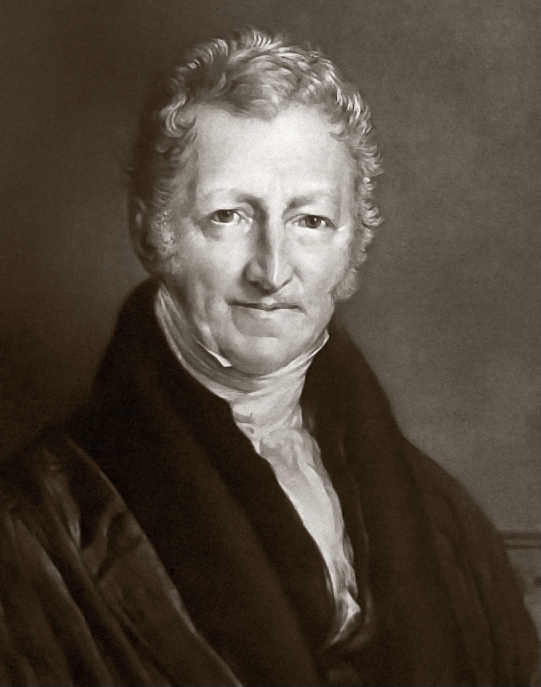
Thomas Malthus was an English economist and demographer who developed the Malthusian theory. He is best known for his work on population growth and resource availability, and his ideas have had a significant impact on the development of economics, demography, and environmentalism. Malthus was influenced by the work of Adam Smith and David Ricardo, and his ideas have been further developed by scholars like Paul Ehrlich and Joel E. Cohen.
What are the implications of the Malthusian theory for policy and sustainability?
The Malthusian theory has implications for policy and sustainability, as it suggests that population growth and resource availability are critical factors in shaping economic and environmental outcomes. The theory has been used to argue for the need for sustainable practices, such as those promoted by the United Nations and the World Wildlife Fund. Additionally, the theory has been applied to real-world issues, like the Green Revolution, and has implications for policy and sustainability, as discussed by scholars like Jeffrey Sachs and Joseph Stiglitz.
How has the Malthusian theory been received by critics?
The Malthusian theory has been subject to criticism and debate, with some arguing that it is overly pessimistic and ignores the potential for technological innovation and economic growth. Critics like Julian Simon have argued that the theory is flawed and that population growth can be sustained through technological innovation and economic growth. However, others, like Paul Ehrlich, have argued that the theory is essential for understanding the limits of resource availability and the need for sustainable practices, as promoted by organizations like the Club of Rome.