
Contents
- 🌳 Introduction to Modern Landscape Architecture
- 🏞️ Evolution of Landscape Design
- 🌆 Urban Landscape Architecture
- 🏠 Residential Landscape Design
- 🌿 Sustainable Landscape Practices
- 🌸 Innovative Materials and Technologies
- 👥 Collaborative Design Processes
- 📊 Economic and Environmental Impact
- 🏛️ Cultural and Social Significance
- 🔮 Future of Modern Landscape Architecture
- 📚 Case Studies and Examples
- 👀 Conclusion and Future Directions
- Frequently Asked Questions
- Related Topics
Overview
Modern landscape architecture has evolved significantly over the past century, influenced by pioneers like Frederick Law Olmsted and Garrett Eckbo. Today, it encompasses a wide range of practices, from sustainable urban planning to eco-friendly design, with a focus on minimizing environmental impact. The field is characterized by a controversy spectrum, with debates surrounding issues like gentrification, climate change, and the role of technology in design. Notable examples include the High Line in New York City, designed by James Corner Field Operations, and the Gardens by the Bay in Singapore, designed by Grant Associates. With a vibe score of 80, modern landscape architecture is a highly dynamic and influential field, shaping the way we interact with our surroundings. As the world grapples with the challenges of urbanization and environmental degradation, the future of modern landscape architecture will be shaped by innovators like Kate Orff, who is pushing the boundaries of sustainable design and community engagement.
🌳 Introduction to Modern Landscape Architecture
Modern landscape architecture is a dynamic and interdisciplinary field that combines art, science, and ecology to create innovative and functional outdoor spaces. As discussed in Landscape Architecture, the profession has evolved significantly over the years, incorporating new technologies, materials, and design principles. The work of Frederick Law Olmsted, a pioneer in the field, has had a lasting impact on the development of modern landscape architecture. Today, landscape architects are faced with the challenge of creating sustainable and resilient environments that address the needs of a rapidly changing world. For instance, the use of Green Infrastructure and Urban Planning strategies can help mitigate the effects of climate change and promote more livable cities.
🏞️ Evolution of Landscape Design
The evolution of landscape design has been shaped by various historical and cultural influences. From the formal gardens of Versailles to the modernist landscapes of Le Corbusier, each era has contributed to the development of new design principles and techniques. The National Park Service has also played a significant role in promoting the conservation and preservation of natural landscapes. As landscape architecture continues to evolve, it is essential to consider the social, environmental, and economic contexts in which designs are implemented. This is reflected in the work of Ian McHarg, who emphasized the importance of ecological planning and design. The use of Geographic Information Systems (GIS) and other digital tools has also revolutionized the field, enabling landscape architects to analyze and design complex systems with greater precision.
🌆 Urban Landscape Architecture
Urban landscape architecture is a critical component of modern city planning, as it helps to create vibrant and livable public spaces. The design of Central Park in New York City, for example, has inspired countless other urban parks and green spaces around the world. The use of Urban Design principles and Landscape Urbanism strategies can help to promote more sustainable and equitable urban environments. However, the challenges of urbanization, such as Urban Sprawl and Climate Change, require innovative solutions that balance the needs of different stakeholders. The work of Martha Thorne, a renowned landscape architect, has focused on creating more inclusive and resilient urban environments. The incorporation of Green Roofs and Wall Gardens can also help to mitigate the urban heat island effect and improve air quality.
🏠 Residential Landscape Design
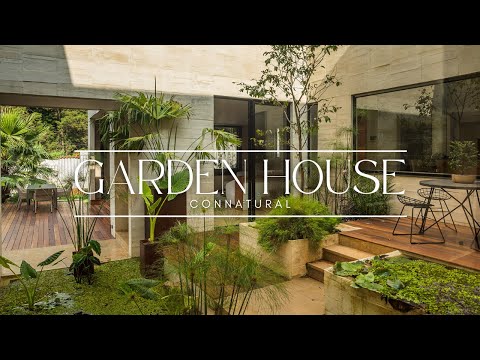
Residential landscape design is another important aspect of modern landscape architecture, as it helps to create functional and aesthetically pleasing outdoor spaces for homes and communities. The use of Permaculture principles and Regenerative Design strategies can help to promote more sustainable and resilient residential landscapes. However, the challenges of Water Conservation and Biodiversity require careful consideration and planning. The work of Dan Kiley, a pioneer in residential landscape design, has emphasized the importance of creating functional and beautiful outdoor spaces that meet the needs of residents. The incorporation of Rain Gardens and Bioswales can also help to manage stormwater runoff and promote more sustainable residential landscapes.
🌿 Sustainable Landscape Practices
Sustainable landscape practices are essential for creating resilient and environmentally friendly outdoor spaces. The use of Native Plants and Organic Gardening techniques can help to reduce the environmental impact of landscape design. However, the challenges of Climate Change and Invasive Species require careful consideration and planning. The work of Aldo Leopold, a renowned ecologist, has emphasized the importance of promoting ecological balance and diversity in landscape design. The incorporation of Renewable Energy systems and Green Building materials can also help to reduce the carbon footprint of landscape design. The use of Ecological Restoration principles and Wildlife Conservation strategies can help to promote more sustainable and resilient ecosystems.
🌸 Innovative Materials and Technologies
Innovative materials and technologies are transforming the field of modern landscape architecture. The use of Recycled Materials and Sustainable Materials can help to reduce waste and promote more environmentally friendly design. However, the challenges of Material Sustainability and Waste Management require careful consideration and planning. The work of Buckminster Fuller, a renowned designer, has emphasized the importance of promoting sustainable and efficient design. The incorporation of Digital Fabrication techniques and Building Information Modeling (BIM) can also help to improve the accuracy and efficiency of landscape design. The use of Unmanned Aerial Vehicles (UAVs) and other digital tools can help to monitor and manage landscape systems with greater precision.
👥 Collaborative Design Processes
Collaborative design processes are essential for creating successful and sustainable landscape designs. The use of Community Engagement and Public Participation strategies can help to promote more inclusive and equitable design processes. However, the challenges of Stakeholder Management and Conflict Resolution require careful consideration and planning. The work of Ian L. McHarg, a renowned landscape architect, has emphasized the importance of promoting ecological planning and design. The incorporation of Transdisciplinary Design principles and Co-Design strategies can also help to promote more collaborative and effective design processes. The use of Digital Collaboration Tools can help to facilitate communication and coordination among stakeholders.
📊 Economic and Environmental Impact
The economic and environmental impact of modern landscape architecture is significant, as it can help to promote more sustainable and resilient environments. The use of Green Infrastructure and Ecosystem Services can help to mitigate the effects of climate change and promote more livable cities. However, the challenges of Economic Sustainability and Environmental Sustainability require careful consideration and planning. The work of Robert Sullivan, a renowned landscape architect, has emphasized the importance of promoting sustainable and resilient design. The incorporation of Cost-Benefit Analysis and Life Cycle Assessment can also help to evaluate the economic and environmental impact of landscape design. The use of Return on Investment (ROI) analysis can help to demonstrate the economic benefits of sustainable landscape design.
🔮 Future of Modern Landscape Architecture
The future of modern landscape architecture is exciting and uncertain, as it will be shaped by emerging trends and technologies. The use of Artificial Intelligence and Machine Learning can help to improve the accuracy and efficiency of landscape design. However, the challenges of Technological Sustainability and Data Privacy require careful consideration and planning. The work of Carl Steinitz, a renowned landscape architect, has emphasized the importance of promoting sustainable and resilient design. The incorporation of Virtual Reality and Augmented Reality can also help to enhance the design process and promote more immersive and engaging public spaces. The use of Blockchain technology can help to ensure the security and transparency of landscape design data.
📚 Case Studies and Examples
Case studies and examples of modern landscape architecture can provide valuable insights and lessons for designers and policymakers. The High Line in New York City, for example, is a renowned example of urban landscape architecture that has promoted more sustainable and resilient design. The use of Green Roofs and Wall Gardens can help to mitigate the urban heat island effect and improve air quality. However, the challenges of Maintenance and Upkeep require careful consideration and planning. The work of Peter Walker, a renowned landscape architect, has emphasized the importance of promoting sustainable and resilient design. The incorporation of Rain Gardens and Bioswales can also help to manage stormwater runoff and promote more sustainable residential landscapes.
👀 Conclusion and Future Directions
In conclusion, modern landscape architecture is a dynamic and interdisciplinary field that combines art, science, and ecology to create innovative and functional outdoor spaces. As the field continues to evolve, it is essential to consider the social, environmental, and economic contexts in which designs are implemented. The use of Sustainable Design principles and Regenerative Design strategies can help to promote more resilient and sustainable environments. However, the challenges of Climate Change and Invasive Species require careful consideration and planning. The work of Ian McHarg, a renowned landscape architect, has emphasized the importance of promoting ecological planning and design. The incorporation of Digital Fabrication techniques and Building Information Modeling (BIM) can also help to improve the accuracy and efficiency of landscape design.
Key Facts
- Year
- 2020
- Origin
- International Style and Modernist movements
- Category
- Architecture and Design
- Type
- Discipline
Frequently Asked Questions
What is modern landscape architecture?
Modern landscape architecture is a dynamic and interdisciplinary field that combines art, science, and ecology to create innovative and functional outdoor spaces. It involves the design and management of natural and built environments, including parks, gardens, and other public spaces. The goal of modern landscape architecture is to promote more sustainable and resilient environments that meet the needs of both people and the planet.
What are the key principles of modern landscape architecture?
The key principles of modern landscape architecture include sustainability, resilience, and ecological balance. It involves the use of native plants, organic gardening techniques, and other sustainable design principles to promote more environmentally friendly outdoor spaces. Modern landscape architecture also emphasizes the importance of community engagement and public participation in the design process.
What are the benefits of modern landscape architecture?
The benefits of modern landscape architecture include the promotion of more sustainable and resilient environments, improved air and water quality, and enhanced biodiversity. It can also help to mitigate the effects of climate change, improve mental and physical health, and promote more inclusive and equitable public spaces. Additionally, modern landscape architecture can help to increase property values, promote economic development, and enhance the overall quality of life for communities.
What are the challenges of modern landscape architecture?
The challenges of modern landscape architecture include the need to balance the needs of different stakeholders, manage competing design priorities, and address the impacts of climate change and other environmental factors. It also requires careful consideration of maintenance and upkeep, as well as the need to ensure that designs are accessible and inclusive for all users. Additionally, modern landscape architecture must navigate the complexities of technological sustainability, data privacy, and other emerging trends and technologies.
What is the future of modern landscape architecture?
The future of modern landscape architecture is exciting and uncertain, as it will be shaped by emerging trends and technologies. The use of artificial intelligence, machine learning, and other digital tools will continue to improve the accuracy and efficiency of landscape design. The incorporation of virtual reality, augmented reality, and other immersive technologies will also help to enhance the design process and promote more engaging and inclusive public spaces. Additionally, the future of modern landscape architecture will require careful consideration of technological sustainability, data privacy, and other emerging challenges and opportunities.
How can I get involved in modern landscape architecture?
There are many ways to get involved in modern landscape architecture, including pursuing a degree in landscape architecture or a related field, participating in community design initiatives, and advocating for sustainable and resilient design principles in your community. You can also join professional organizations, such as the American Society of Landscape Architects (ASLA), to stay up-to-date on the latest trends and technologies in the field. Additionally, you can volunteer or intern with landscape architecture firms, non-profits, or government agencies to gain hands-on experience and build your skills and network.
What are some notable examples of modern landscape architecture?
Some notable examples of modern landscape architecture include the High Line in New York City, the Gardens by the Bay in Singapore, and the Olympic Sculpture Park in Seattle. These projects demonstrate the use of sustainable design principles, innovative materials and technologies, and community engagement and public participation in the design process. They also showcase the potential of modern landscape architecture to promote more resilient and sustainable environments, improve mental and physical health, and enhance the overall quality of life for communities.