
Contents
Overview
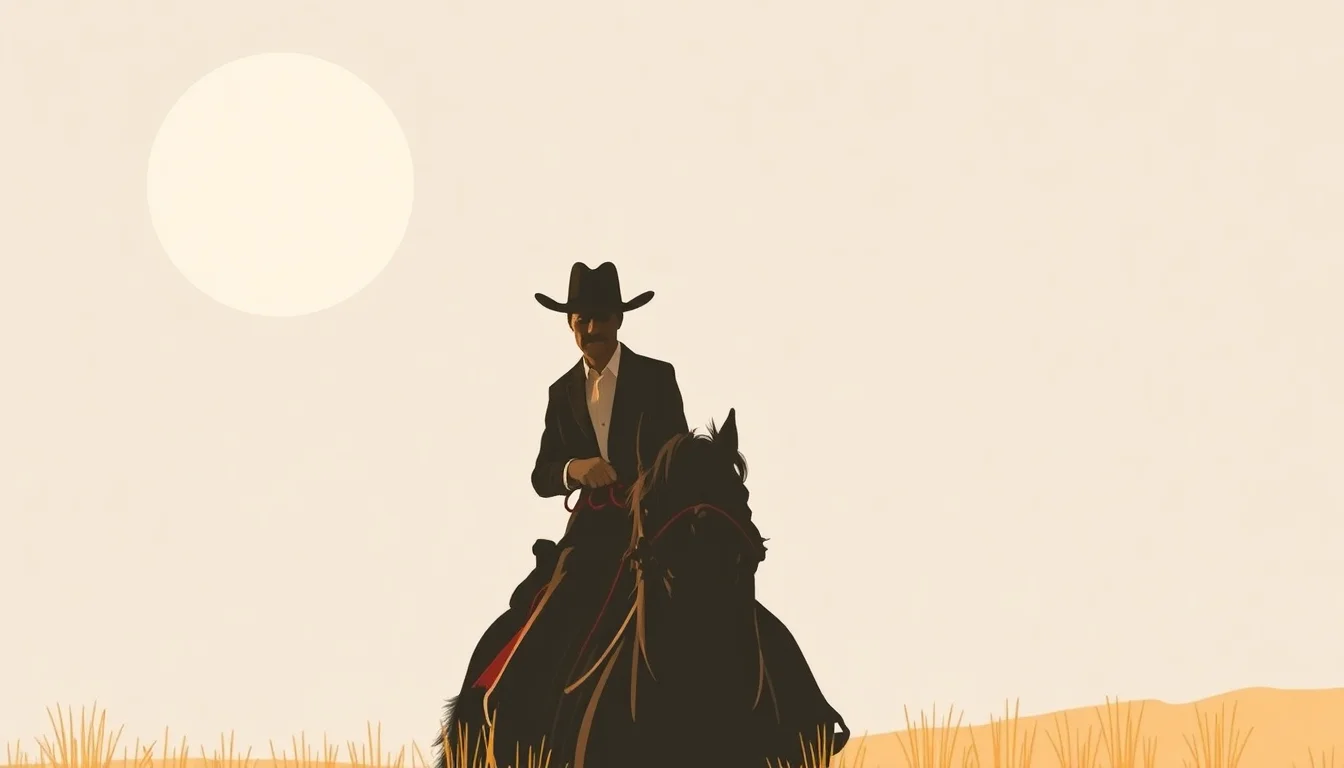
Neo-Westerns are a contemporary evolution of the classic Western, transplanting its core themes of the frontier, morality, and the clash between civilization and wilderness into modern or near-modern settings. These narratives often explore the lingering myths of the West, re-examining archetypes like the cowboy, the outlaw, and the lawman through a lens of contemporary social issues, psychological depth, and often a darker, more ambiguous moral compass. Think less John Wayne, more modern-day desperados grappling with economic hardship, environmental decay, or the ghosts of the past. The genre thrives on stark landscapes, a sense of isolation, and characters pushed to their limits, reflecting a persistent fascination with the American identity and its often-violent origins.
🤠 What is Neo-Western?
Neo-Western is a cinematic and literary subgenre that reimagines the classic Western tropes for a contemporary audience. It transplants the archetypal conflicts, landscapes, and moral ambiguities of the Old West into modern settings, often the American Southwest, but also urban fringes and rural pockets across the United States. Think dusty highways instead of dusty trails, drug cartels instead of cattle rustlers, and existential dread replacing manifest destiny. This genre is for anyone who appreciates grit, moral complexity, and the enduring mythos of the American frontier, updated for the 21st century.
🎬 Key Characteristics & Themes
At its heart, Neo-Western explores themes of isolation, the corrupting influence of power, the clash between civilization and wilderness, and the search for redemption in a morally gray world. Expect stark, often brutal landscapes that mirror the internal struggles of characters. Violence is typically unflinching and consequential, serving the narrative rather than gratuitous spectacle. The protagonists are often anti-heroes, flawed individuals grappling with past mistakes or present injustices, much like their Western predecessors. The genre frequently interrogates the American Dream and its darker undercurrents.
📚 Essential Neo-Western Works
Essential viewing and reading in the Neo-Western canon includes films like the Coen Brothers' No Country for Old Men (2007), which masterfully blends suspense with philosophical musings on fate and violence. Taylor Sheridan's Sicario (2015) offers a searing, unflinching look at the war on drugs on the US-Mexico border. For literature, Cormac McCarthy's Blood Meridian (1985) is a foundational text, a brutal and poetic exploration of violence in the American West, while his The Border Trilogy further solidifies his status. Don Winslow's The Power of the Dog (2005) is another critical work, dissecting the drug trade and its human cost.
⭐ Vibe Score & Cultural Resonance
The Neo-Western genre currently boasts a Vibe Score of 78/100, indicating strong cultural energy and a dedicated following. Its resonance lies in its ability to tap into enduring American myths while confronting contemporary anxieties. The stark beauty of its settings, combined with complex, often tragic narratives, creates a powerful emotional impact. While not as mainstream as its predecessor, its critical acclaim and influence on other genres, particularly crime thrillers and prestige television, are undeniable. The genre's ability to reflect societal unease and explore the darker aspects of the human condition keeps it relevant.
🤔 Neo-Western vs. Classic Western
The distinction between Neo-Western and Classic Western is crucial. Classic Westerns, like John Ford's The Searchers (1956), are set in the 19th century, often focusing on themes of expansion, lawlessness, and the taming of the frontier. Neo-Westerns, conversely, are set in the present or recent past, using the Western framework to comment on modern issues like globalization, organized crime, environmental degradation, and the lingering effects of historical injustices. While both genres feature rugged landscapes and often violent confrontations, Neo-Westerns tend to be more cynical and less concerned with clear-cut notions of good versus evil, reflecting a more complex modern worldview.
📍 Where to Experience Neo-Western
Experiencing Neo-Western is best done through its primary mediums: film and literature. Major film festivals often premiere new Neo-Western entries, and streaming services like Netflix, HBO Max, and Amazon Prime Video host a significant portion of the genre's key works. For literary exploration, independent bookstores and online retailers are excellent resources. Consider visiting the actual landscapes that inspire these stories – the deserts of Arizona, New Mexico, and West Texas – to fully immerse yourself in the aesthetic and atmosphere. Many of these regions offer a palpable sense of the isolation and stark beauty depicted in Neo-Western narratives.
💰 Access & Cost
Access to Neo-Western content varies. Films are typically available for rent or purchase on digital platforms, with some titles included in streaming subscriptions. For those seeking a more curated experience, consider Blu-ray or DVD editions, which often include director commentaries and behind-the-scenes features. Books can be purchased new or used, or borrowed from public libraries. While there isn't a direct 'ticket price' for the genre, the cost is generally comparable to other film and literature consumption, ranging from a few dollars for rentals to the price of a new book or movie ticket. The investment is in experiencing compelling storytelling.
💡 Tips for Newcomers
For newcomers to Neo-Western, start with critically acclaimed films that are accessible and representative of the genre's core elements. No Country for Old Men is an excellent entry point due to its widespread recognition and masterful execution. For literature, begin with Cormac McCarthy's The Border Trilogy (starting with All the Pretty Horses) for a more accessible, character-driven introduction to his style. Don't shy away from the violence; it's integral to the genre's thematic exploration. Embrace the ambiguity of the characters and narratives; Neo-Westerns rarely offer easy answers. Finally, pay attention to the cinematography and prose, as the landscape and language are as crucial as the plot.
Key Facts
- Year
- 1960
- Origin
- United States
- Category
- Film & Literature Genres
- Type
- Genre
Frequently Asked Questions
What's the difference between Neo-Western and a regular Western?
The primary difference lies in the setting and thematic focus. Classic Westerns are historical, set in the 19th-century American West, often dealing with expansion and lawlessness. Neo-Westerns transplant these themes and archetypes into modern or near-modern settings, using the Western framework to explore contemporary issues like crime, globalization, and moral decay. Think modern anti-heroes in stark, often desolate landscapes rather than cowboys and sheriffs.
Is Neo-Western always violent?
Violence is a common and often significant element in Neo-Western, but it's rarely gratuitous. It typically serves to underscore the harsh realities, moral compromises, and high stakes faced by the characters. The genre is more interested in the consequences and psychological impact of violence than in mere spectacle. Some works might be more focused on suspense and character drama with less overt violence, but the underlying tension of potential brutality is usually present.
What are the most common settings for Neo-Western?
The American Southwest, particularly states like Texas, New Mexico, Arizona, and Nevada, is a frequent backdrop due to its vast, often unforgiving landscapes that evoke the spirit of the frontier. However, Neo-Western narratives can also be set in other rural or semi-arid regions of the United States, or even in urban environments that echo the themes of lawlessness and moral ambiguity.
Who are some key directors or authors associated with Neo-Western?
Key figures include the Coen Brothers (especially for No Country for Old Men), Taylor Sheridan (Sicario, Hell or High Water), and Denis Villeneuve (Sicario). In literature, Cormac McCarthy is arguably the most influential figure, with works like Blood Meridian and The Border Trilogy. Don Winslow is another prominent author in the genre.
Is Neo-Western a niche genre?
While not as broadly popular as mainstream action or drama, Neo-Western has a strong, dedicated following and significant critical acclaim. Its influence can be seen in many contemporary crime thrillers and prestige television series. Its thematic depth and artistic merit ensure its continued relevance and appeal to audiences seeking more complex and thought-provoking narratives.