
Contents
- 🏙️ Origins & History
- 📐 How It Works
- 📊 Key Facts & Numbers
- 👥 Key People & Organizations
- 🌍 Cultural Impact & Influence
- ⚡ Current State & Latest Developments
- 🤔 Controversies & Debates
- 🔮 Future Outlook & Predictions
- 💡 Practical Applications
- 📚 Related Topics & Deeper Reading
- Frequently Asked Questions
- References
- Related Topics
Overview
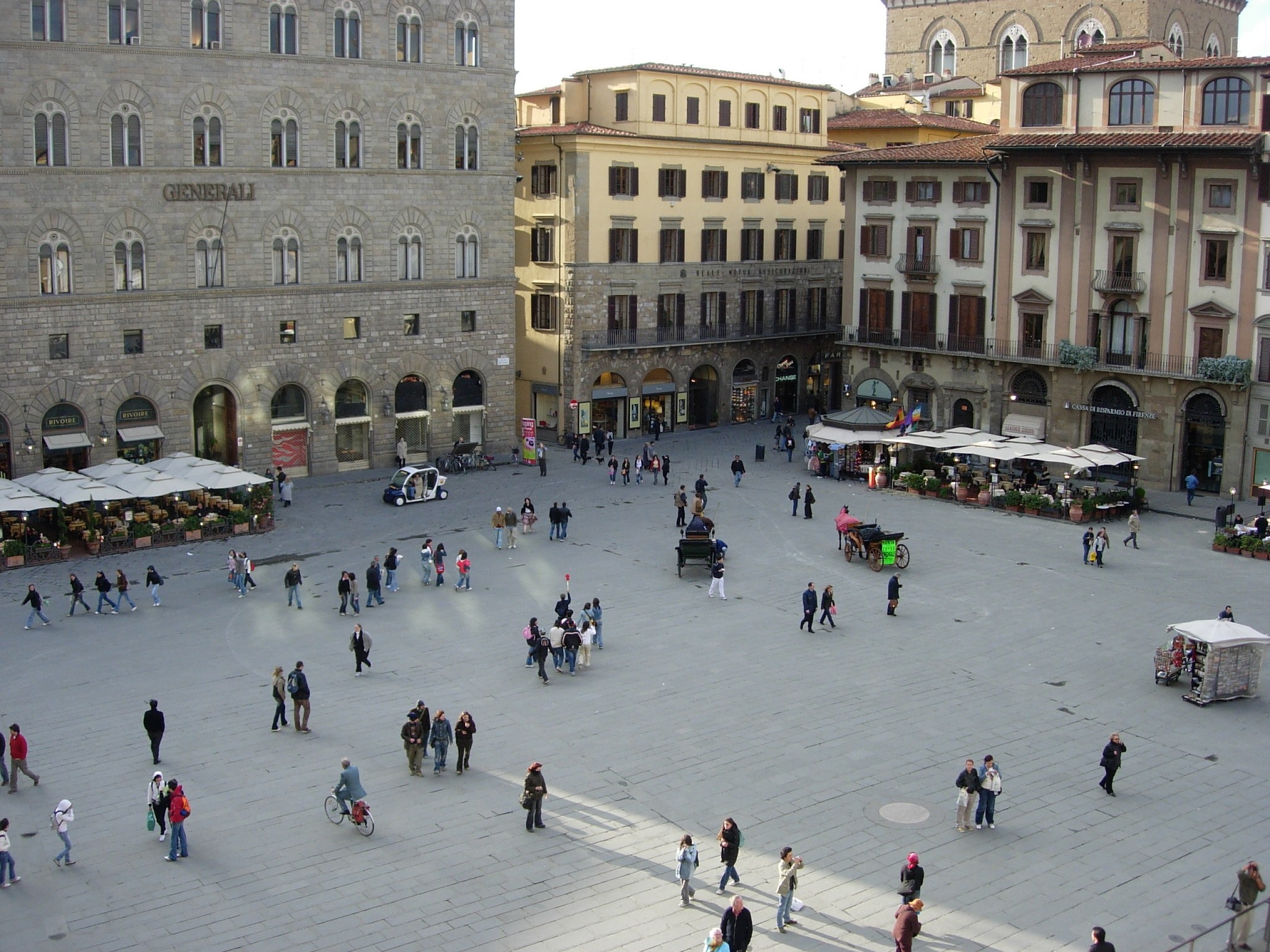
Public space design is a multidisciplinary field that focuses on creating accessible, sustainable, and community-driven areas for social interaction, recreation, and civic engagement. From parks and plazas to streets and sidewalks, public spaces are the backbone of urban life, fostering a sense of community and belonging among citizens. With the rise of urbanization, public space design has become increasingly important, as it can significantly impact the quality of life, mental health, and social cohesion of urban dwellers. According to a study by the World Health Organization, well-designed public spaces can reduce stress, improve air quality, and promote physical activity. The concept of public space design has evolved over time, influenced by various factors such as urban planning, architecture, landscape design, and social sciences. As noted by Jan Gehl, a renowned urban designer, 'public spaces are the most important part of our cities, as they provide the stage for public life.' Today, public space design is a critical component of urban planning, with cities like Copenhagen and Vancouver serving as models for innovative and inclusive public space design. With the help of technology, such as Geographic Information Systems (GIS) and Building Information Modeling (BIM), public space designers can create more efficient, sustainable, and responsive public spaces that meet the needs of diverse urban populations.
🏙️ Origins & History
Public space design has its roots in ancient civilizations, where public spaces were used for social, cultural, and political gatherings. The concept of public space has evolved over time, influenced by various factors such as urban planning, architecture, landscape design, and social sciences. In the 19th century, the Industrial Revolution led to the growth of cities, and public spaces became essential for providing recreational areas for urban workers. The modern concept of public space design emerged in the 20th century, with the work of urban planners like Le Corbusier and Frank Lloyd Wright, who emphasized the importance of public spaces in urban planning. Today, public space design is a critical component of urban planning, with cities like New York City and Barcelona serving as models for innovative and inclusive public space design.
📐 How It Works
Public space design involves a multidisciplinary approach, incorporating elements of urban planning, architecture, landscape design, and social sciences. The design process typically begins with a thorough analysis of the site, taking into account factors such as climate, topography, and existing infrastructure. The next step involves engaging with the community to understand their needs and preferences, which is often facilitated by organizations like the American Planning Association. The design team then develops a concept plan, which is refined through a series of iterations and stakeholder feedback. The final design is implemented, and the public space is maintained and managed by local authorities, such as the National Park Service. Effective public space design requires a deep understanding of human behavior, social dynamics, and environmental sustainability, which is why designers often collaborate with experts from universities and research institutions.
📊 Key Facts & Numbers
Public spaces are a critical component of urban infrastructure, providing numerous benefits to citizens and the environment. According to a study by the Urban Land Institute, well-designed public spaces can increase property values by up to 20%, while also reducing crime rates by up to 30%. Public spaces can also promote physical activity, with a study by the Centers for Disease Control and Prevention finding that parks and recreational areas can increase physical activity levels by up to 25%. In terms of environmental sustainability, public spaces can help mitigate the urban heat island effect, with a study by the Environmental Protection Agency finding that green roofs and urban parks can reduce urban temperatures by up to 3°C. The economic benefits of public spaces are also significant, with a study by the National Recreation and Park Association finding that every dollar invested in public parks generates up to $3 in economic returns.
👥 Key People & Organizations
Key people and organizations in the field of public space design include Jan Gehl, a renowned urban designer who has worked on projects such as the Times Square redesign in New York City. Other notable designers include Fred Kent, founder of the Project for Public Spaces, and Susan Schwartz, a landscape architect who has worked on projects such as the High Line in New York City. Organizations such as the American Planning Association and the Urban Land Institute also play a critical role in promoting public space design and providing resources for designers and policymakers. Additionally, companies like Landscape Structures and SiteOne Landscape Contractors provide essential products and services for public space design and construction.
🌍 Cultural Impact & Influence
Public space design has a significant impact on culture and society, providing a platform for social interaction, community engagement, and cultural expression. Public spaces can foster a sense of community and belonging among citizens, which is why they are often at the heart of urban planning strategies. For example, the Piazza del Campo in Siena, Italy, is a renowned public space that has been the center of community life for centuries. Public spaces can also promote cultural diversity and inclusivity, with a study by the National Endowment for the Arts finding that public art installations can increase cultural participation by up to 20%. However, public spaces can also be contested and exclusionary, with some groups being marginalized or excluded from public spaces. As noted by Michael Kimmelman, a architecture critic for the New York Times, 'public spaces are not just physical places, but also social and cultural constructs.'
⚡ Current State & Latest Developments
The current state of public space design is characterized by a growing recognition of the importance of public spaces in urban planning. Cities around the world are investing in public space design, with a focus on creating inclusive, sustainable, and community-driven spaces. The rise of urbanization has led to an increased demand for public spaces, with a study by the United Nations finding that up to 70% of the world's population will live in cities by 2050. Technology is also playing a critical role in public space design, with the use of Geographic Information Systems (GIS) and Building Information Modeling (BIM) becoming increasingly prevalent. However, there are also challenges facing public space design, including funding constraints, gentrification, and social inequality. As noted by Richard Sennett, a sociologist and urbanist, 'public spaces are not just physical places, but also social and economic constructs.'
🤔 Controversies & Debates
There are several controversies and debates surrounding public space design, including issues of accessibility, sustainability, and social justice. Some critics argue that public spaces are often designed with a focus on aesthetics, rather than functionality or community needs. Others argue that public spaces can be exclusionary, with certain groups being marginalized or excluded from public spaces. The concept of 'shared space' has also been criticized for prioritizing the needs of drivers over those of pedestrians and cyclists. However, there are also many success stories in public space design, with cities like Copenhagen and Vancouver serving as models for innovative and inclusive public space design. As noted by Jan Gehl, 'public spaces are not just physical places, but also social and cultural constructs.'
🔮 Future Outlook & Predictions
The future of public space design is likely to be shaped by a range of factors, including technological advancements, demographic changes, and environmental concerns. The rise of autonomous vehicles and smart cities is likely to have a significant impact on public space design, with a focus on creating more efficient and sustainable public spaces. The growing recognition of the importance of public spaces in urban planning is also likely to lead to increased investment in public space design. However, there are also challenges facing public space design, including funding constraints, gentrification, and social inequality. As noted by Saskia Sassen, a sociologist and urbanist, 'public spaces are not just physical places, but also social and economic constructs.'
💡 Practical Applications
Public space design has a range of practical applications, from urban planning and architecture to landscape design and social sciences. Public spaces can be designed to promote physical activity, social interaction, and community engagement, with a focus on creating inclusive and sustainable spaces. The use of technology, such as Geographic Information Systems (GIS) and Building Information Modeling (BIM), can also help to create more efficient and responsive public spaces. Additionally, public space design can be used to promote cultural diversity and inclusivity, with a focus on creating spaces that reflect the needs and preferences of diverse urban populations. As noted by Fred Kent, founder of the Project for Public Spaces, 'public spaces are not just physical places, but also social and cultural constructs.'
Key Facts
- Year
- 2020
- Origin
- Global
- Category
- culture
- Type
- concept
Frequently Asked Questions
What is public space design?
Public space design is a multidisciplinary field that focuses on creating accessible, sustainable, and community-driven areas for social interaction, recreation, and civic engagement. It involves a range of disciplines, including urban planning, architecture, landscape design, and social sciences. The goal of public space design is to create spaces that promote social cohesion, cultural diversity, and environmental sustainability. As noted by Jan Gehl, 'public spaces are not just physical places, but also social and cultural constructs.'
Why is public space design important?
Public space design is important because it can significantly impact the quality of life, mental health, and social cohesion of urban dwellers. Well-designed public spaces can promote physical activity, reduce crime rates, and increase property values. They can also foster a sense of community and belonging among citizens, which is essential for building strong and resilient cities. According to a study by the World Health Organization, well-designed public spaces can reduce stress, improve air quality, and promote physical activity. As noted by Saskia Sassen, a sociologist and urbanist, 'public spaces are not just physical places, but also social and economic constructs.'
What are the key principles of public space design?
The key principles of public space design include accessibility, sustainability, community engagement, and social justice. Public spaces should be designed to be inclusive and accessible to all members of the community, regardless of age, ability, or socioeconomic status. They should also be sustainable, with a focus on reducing environmental impact and promoting eco-friendly practices. Community engagement is also critical, with a focus on involving local residents and stakeholders in the design process. As noted by Fred Kent, founder of the Project for Public Spaces, 'public spaces are not just physical places, but also social and cultural constructs.'
How can public space design be used to promote social justice?
Public space design can be used to promote social justice by creating spaces that are inclusive and accessible to all members of the community. This can involve designing spaces that are wheelchair accessible, providing amenities such as public restrooms and drinking fountains, and creating spaces that are safe and welcoming for all users. Public space design can also be used to promote social justice by providing opportunities for community engagement and participation, such as public art installations and community events. As noted by Michael Kimmelman, a architecture critic for the New York Times, 'public spaces are not just physical places, but also social and cultural constructs.'
What are the challenges facing public space design?
The challenges facing public space design include funding constraints, gentrification, and social inequality. Public spaces are often underfunded, which can limit their potential to promote social cohesion and community engagement. Gentrification can also be a challenge, as it can lead to the displacement of low-income and minority communities. Social inequality is also a challenge, as public spaces can be designed to exclude or marginalize certain groups. As noted by Richard Sennett, a sociologist and urbanist, 'public spaces are not just physical places, but also social and economic constructs.'
How can technology be used to improve public space design?
Technology can be used to improve public space design by providing tools for community engagement, participatory design, and data-driven decision making. For example, online platforms can be used to engage with local residents and stakeholders, while data analytics can be used to track usage patterns and identify areas for improvement. Technology can also be used to create more efficient and sustainable public spaces, such as through the use of smart lighting and energy-efficient systems. As noted by Saskia Sassen, a sociologist and urbanist, 'public spaces are not just physical places, but also social and economic constructs.'
What is the future of public space design?
The future of public space design is likely to be shaped by a range of factors, including technological advancements, demographic changes, and environmental concerns. The rise of autonomous vehicles and smart cities is likely to have a significant impact on public space design, with a focus on creating more efficient and sustainable public spaces. The growing recognition of the importance of public spaces in urban planning is also likely to lead to increased investment in public space design. As noted by Jan Gehl, 'public spaces are not just physical places, but also social and cultural constructs.'