
Contents
- 💧 What is a Rain Barrel Setup?
- 📍 Where to Install Your Rain Barrel
- 🛠️ Essential Components & Tools
- 📏 Sizing Your System: How Much Water Do You Need?
- ✅ Step-by-Step Installation Guide
- ⚖️ Pros and Cons: Is It Worth It?
- 💡 Maintenance & Best Practices
- 💰 Cost Considerations & Potential Savings
- 🌿 Connecting to Your Garden Ecosystem
- ⚖️ Regulatory Landscape & Community Programs
- 🚀 Future of Rainwater Harvesting
- Frequently Asked Questions
- Related Topics
Overview
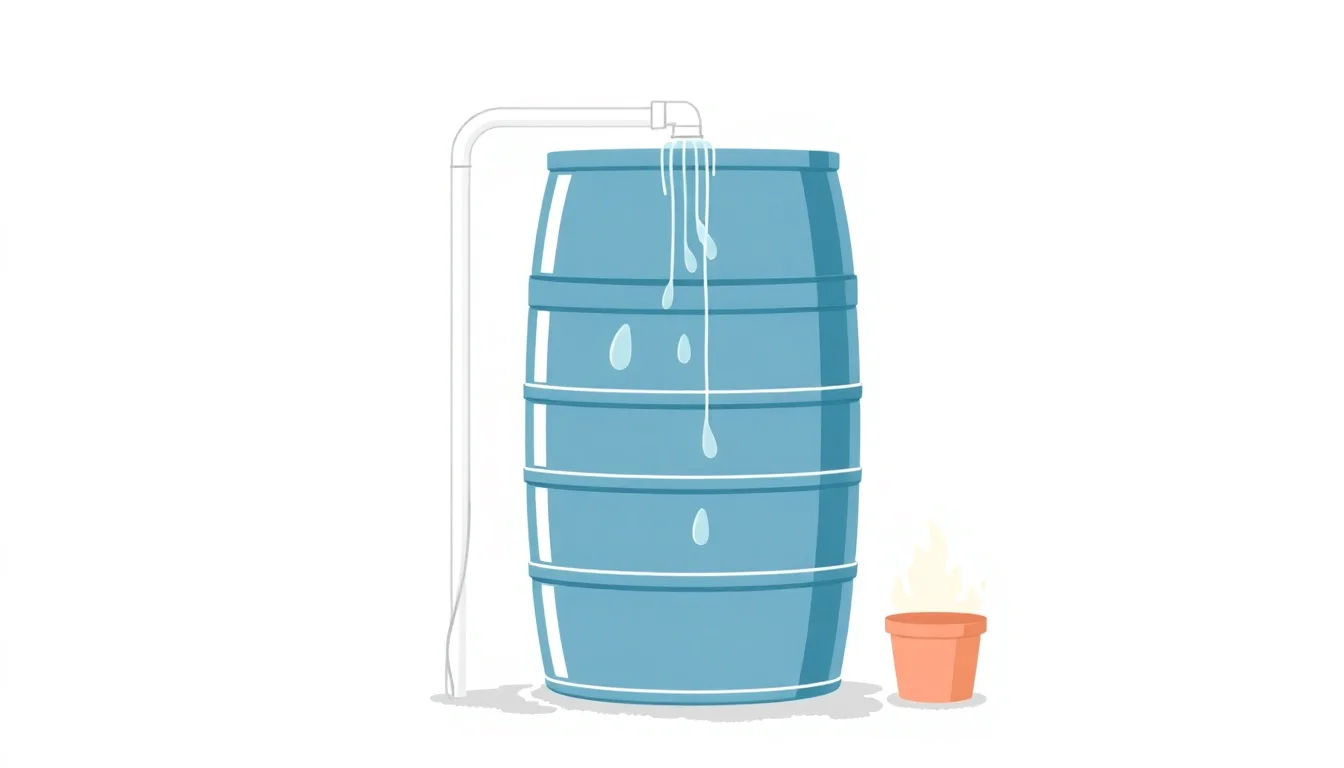
A rain barrel system is a practical, eco-conscious method for collecting and storing rainwater, typically from your roof via downspouts, for later use in irrigating your garden and lawn. It's a direct response to increasing water scarcity and a desire for more sustainable living practices. For the home gardener, it means less reliance on municipal water, especially during dry spells, and a healthier environment for your plants. This isn't just about saving money; it's about reconnecting with natural water cycles and reducing stormwater runoff, which can carry pollutants into local waterways. The basic setup involves a barrel, a diverter, and a spigot, but advanced systems can be far more complex, integrating multiple barrels and filtration.
📍 Where to Install Your Rain Barrel
The ideal location for your rain barrel is directly beneath a gutter downspout that receives ample rainfall from a section of your roof. Proximity to your garden or water-using areas is also key to minimize the effort of transporting water. Ensure the ground is level and stable; a full 55-gallon barrel can weigh over 450 pounds. Consider accessibility for maintenance and for connecting hoses or watering cans. Some homeowners opt for elevated platforms to increase water pressure, though this adds complexity and cost. Always check local local building codes for any setback requirements or restrictions on placement.
🛠️ Essential Components & Tools
At its core, a rain barrel setup requires a water storage barrel (often 50-75 gallons), a rainwater diverter kit, and a water spigot for dispensing water. You'll also need overflow fittings to manage excess water and potentially a screen to keep out debris and mosquitoes. For installation, common tools include a power drill with various bits, a hand saw or reciprocating saw for modifying the downspout, a level, measuring tape, and sealant. Some setups might require plumbing tape or PVC cement. The quality of your diverter kit significantly impacts ease of use and efficiency.
📏 Sizing Your System: How Much Water Do You Need?
Determining the right size for your rain barrel system involves a few calculations. The amount of water you can collect depends on your roof's surface area and average rainfall. A general rule of thumb is that one inch of rain on 1,000 square feet of roof yields about 600 gallons. Consider your garden's watering needs: a typical garden might require 1-2 inches of water per week. For a 55-gallon barrel, it can be filled by just 0.1 inches of rain on a 1,000 sq ft roof. Many homeowners start with one barrel and expand to a connected rain barrel system if their needs and available space allow. Overestimating can lead to wasted space or overflow issues.
✅ Step-by-Step Installation Guide
Installation begins by selecting your barrel and ensuring it's clean and food-grade. Next, measure and mark your downspout where the diverter will connect, typically 18-24 inches from the ground. Cut the downspout at the marked line using a saw. Install the diverter according to its manufacturer's instructions, ensuring a snug fit and sealing any gaps. Position the barrel beneath the diverter's outlet, ensuring it's level and stable. Drill a hole near the bottom of the barrel for the spigot and install it securely, using sealant if necessary. Finally, connect the diverter hose to the barrel's inlet and attach an overflow hose or pipe to direct excess water away from your foundation. Always test for leaks after installation.
⚖️ Pros and Cons: Is It Worth It?
The advantages of a rain barrel setup are numerous: reduced water bills, healthier plants due to chlorine-free water, and a decreased burden on municipal water systems. It's a tangible step towards water conservation efforts. However, potential downsides include the initial cost of the barrel and components, the need for regular maintenance to prevent algae and mosquito breeding, and the fact that barrels only fill when it rains, meaning water isn't available on demand. In areas with heavy pollution or acidic rain, the collected water may not be suitable for all plants. Furthermore, some municipalities have regulations regarding rainwater harvesting, which can be a hurdle.
💡 Maintenance & Best Practices
Regular maintenance is crucial for an effective and safe rain barrel system. Periodically clean the barrel to prevent the buildup of sediment and algae; a mild soap and water solution is usually sufficient. Ensure the overflow outlet is clear and directs water away from your home's foundation. Keep the inlet screen free of debris to prevent clogging. During freezing temperatures, drain the barrel completely to prevent damage. Regularly inspect the spigot and diverter for leaks or wear. Mosquitoes can breed in standing water, so ensure all openings are screened or use a mosquito dunk if necessary. A clean barrel ensures the water is safe for your plants.
💰 Cost Considerations & Potential Savings
The cost of a basic rain barrel setup can range from $50 to $200, depending on the barrel's material, size, and features, as well as the quality of the diverter kit. More elaborate systems with multiple barrels, filters, or pumps can cost upwards of $500. While the upfront investment might seem significant, the long-term savings on water bills can offset this cost over time. In many regions, water rates are increasing, making rainwater harvesting an even more attractive financial proposition. Some local government incentives offer rebates or discounts on rain barrels, further reducing the initial outlay.
🌿 Connecting to Your Garden Ecosystem
Connecting your rain barrel to your garden is where the real magic happens. The collected water is naturally soft and free of the chlorine and fluoride found in tap water, which can be beneficial for many plants, especially acid-loving varieties like blueberries and azaleas. You can use a watering can directly from the spigot, or connect a hose for larger areas. For increased pressure, consider placing the barrel on a sturdy, elevated platform. Some advanced users even integrate their rain barrels with drip irrigation for efficient, targeted watering. This direct connection to your garden fosters healthier growth and a more vibrant ecosystem.
⚖️ Regulatory Landscape & Community Programs
The regulatory landscape for rainwater harvesting varies significantly. While many communities encourage it as a water conservation strategy, some areas have historically had restrictions, often stemming from water rights laws or concerns about water quality. However, there's a growing trend towards supportive legislation. Many cities and counties now offer rain barrel rebates or provide free workshops on installation and use. It's essential to check your local ordinances and homeowner association rules before installing a system. Engaging with local environmental groups can also provide valuable information and support for rainwater harvesting initiatives.
🚀 Future of Rainwater Harvesting
The future of rain barrel setup is moving towards greater integration and intelligence. We're seeing advancements in smart water harvesting systems that monitor water levels and quality, and even connect to weather forecasts to optimize collection. The concept of greywater systems is also gaining traction, offering even more comprehensive water management solutions for the home. As climate change intensifies, the decentralized collection and use of rainwater will likely become not just a homeowner's choice, but a necessity. Expect to see more innovative designs, easier installation methods, and a broader acceptance of rainwater as a primary water source for domestic use.
Key Facts
- Year
- 2023
- Origin
- Vibepedia.wiki
- Category
- Home & Garden
- Type
- Resource Guide
Frequently Asked Questions
Are rain barrels legal everywhere?
Legality varies by state and municipality. While many areas encourage rainwater harvesting, some have historically had restrictions. It's crucial to check your local ordinances and HOA rules. Many regions are now actively promoting rain barrel use through incentives and simplified regulations, recognizing their role in water conservation.
Will a rain barrel provide enough water for my garden?
It depends on your garden's size, your climate's rainfall patterns, and your barrel's capacity. A single 55-gallon barrel can be a significant supplement, especially for smaller gardens or during dry spells. For larger needs, consider connecting multiple barrels or exploring more advanced rainwater harvesting systems. It's best viewed as a supplementary water source.
How do I prevent mosquitoes from breeding in my rain barrel?
Mosquitoes require stagnant water to lay eggs. Ensure your barrel has a tight-fitting lid and a fine mesh screen over the inlet to prevent entry. If you're concerned, consider using a mosquito dunk, which contains a natural bacterium (Bti) that kills mosquito larvae but is safe for plants, pets, and humans.
What kind of water is collected in a rain barrel?
Rainwater collected in a barrel is naturally soft and free of chlorine and fluoride, which can be beneficial for plants. However, it can pick up pollutants from your roof and the air. It's generally not recommended for drinking without proper filtration and purification, but it's excellent for garden irrigation.
How much maintenance do rain barrels require?
Regular maintenance is key. You should clean the barrel periodically (every few months to a year) to remove sediment and prevent algae growth. Keep the inlet screen clear of debris and ensure the overflow is functioning. Draining the barrel in freezing weather is essential to prevent damage.
Can I connect multiple rain barrels together?
Yes, connecting multiple rain barrels is a common practice to increase storage capacity. They are typically linked by a hose or pipe near the bottom, allowing water to flow from one barrel to the next as they fill. This creates a larger reservoir for your garden's needs.