
Contents
- 🎵 Origins & History
- ⚙️ How It Works
- 📊 Key Facts & Numbers
- 👥 Key People & Organizations
- 🌍 Cultural Impact & Influence
- ⚡ Current State & Latest Developments
- 🤔 Controversies & Debates
- 🔮 Future Outlook & Predictions
- 💡 Practical Applications
- 📚 Related Topics & Deeper Reading
- Frequently Asked Questions
- References
- Related Topics
Overview
Science fiction television has evolved from niche broadcasts to a dominant force in global entertainment, utilizing innovative production techniques to explore speculative futures, alien encounters, and the human condition under extraordinary circumstances. Its origins trace back to early experimental broadcasts in the late 1930s, but it truly found its footing with anthology series like The Twilight Zone and The Outer Limits in the late 1950s and early 1960s. The genre exploded in popularity with Star Trek (1966-1969), which, despite initial cancellation, cultivated a massive fanbase and laid the groundwork for future franchises. Subsequent decades saw the rise of influential shows such as Battlestar Galactica (1978), Doctor Who (1963-present), and Star Trek: The Next Generation (1987-1994), each pushing boundaries in storytelling and special effects. The late 1990s and early 2000s ushered in a new era of sophisticated narratives with series like The X-Files and Babylon 5, leading to the current golden age characterized by high-budget, serialized dramas like Game of Thrones (though often debated, its fantasy elements share DNA with sci-fi's speculative nature), Westworld, and The Mandalorian.
🎵 Origins & History
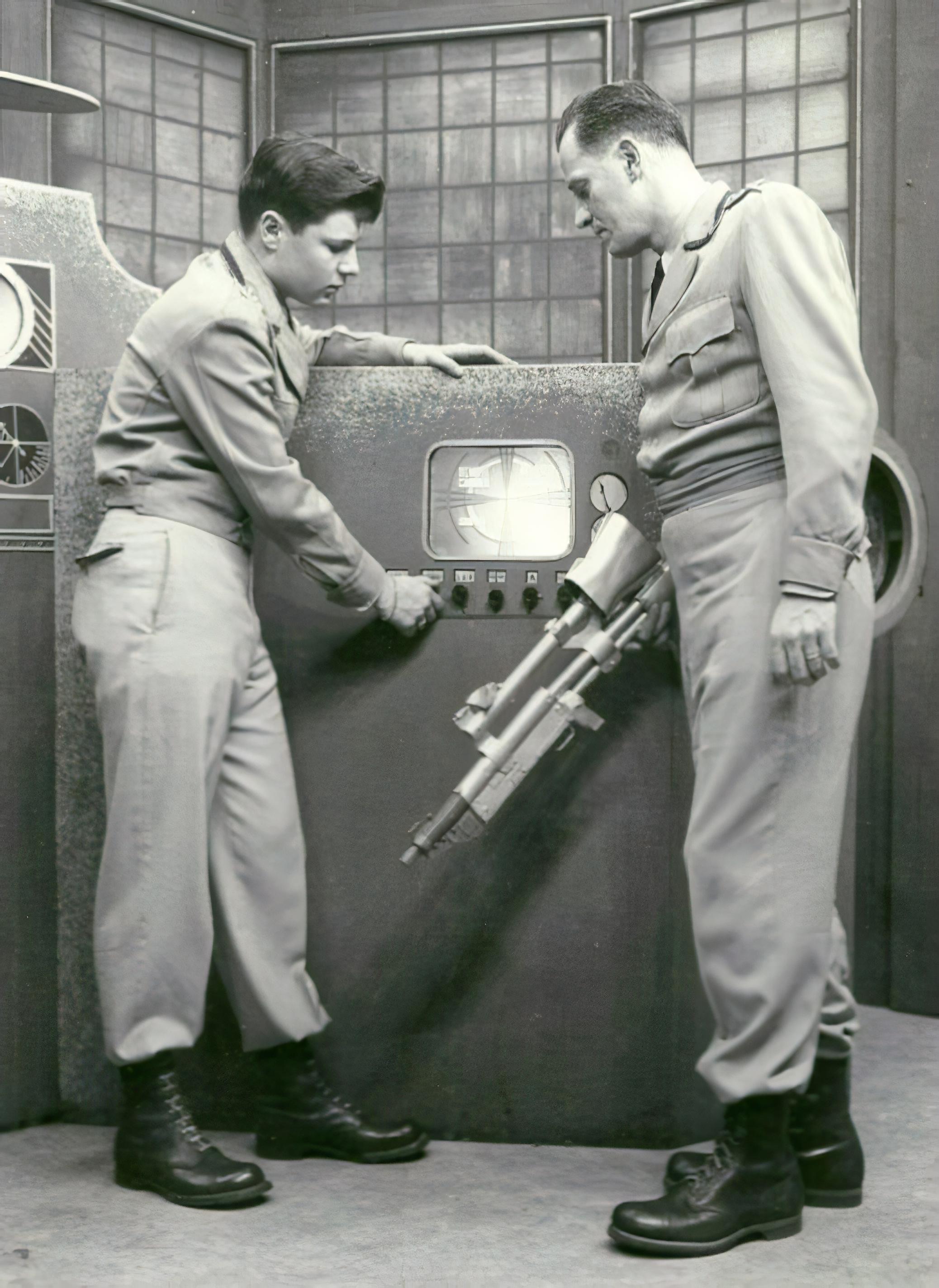
The genesis of science fiction on television can be traced to the nascent days of broadcasting. Early experimental transmissions in the United Kingdom and the United States, as early as the late 1930s, featured speculative narratives, though often limited by the rudimentary technology of the era. The post-World War II boom in television ownership, coupled with advancements in special effects, paved the way for more ambitious productions. Anthology series like The Twilight Zone (1959-1964) and The Outer Limits (1963-1965) became critical in establishing the genre's potential for exploring complex themes, from existential dread to social commentary, often through allegorical storytelling. Rod Serling's Twilight Zone, in particular, demonstrated that sci-fi could be both thought-provoking and accessible, influencing generations of writers and creators. The 1960s saw the ambitious, albeit initially short-lived, run of Star Trek (1966-1969), which dared to envision a diverse future and tackle contemporary social issues, building a dedicated fanbase through syndication that would eventually lead to a sprawling multimedia franchise.
⚙️ How It Works
Science fiction television thrives on its ability to transcend the limitations of reality through visual storytelling. The core mechanism involves leveraging special effects, CGI, and imaginative production design to create believable, albeit fictional, worlds, technologies, and creatures. From the practical effects of early Doctor Who monsters to the photorealistic alien landscapes rendered by modern CGI in shows like The Expanse, the genre constantly pushes the envelope of what's technically feasible on a television budget. Narrative structures often employ speculative premises—time travel, artificial intelligence, extraterrestrial contact, dystopian societies—to examine human nature, societal trends, and ethical dilemmas. The serialized format, increasingly prevalent, allows for complex character development and intricate plotlines that unfold over multiple episodes or seasons, a stark contrast to the episodic nature of earlier sci-fi shows like The Invaders or Voyage to the Bottom of the Sea.
📊 Key Facts & Numbers
The global television market for science fiction is immense, with billions invested annually in production and distribution. Over 100 distinct sci-fi series have premiered in the last five years alone, a testament to the genre's enduring popularity. Streaming services like Netflix and Amazon Prime Video now account for a significant portion of this output, with some of their flagship sci-fi productions, such as Stranger Things, attracting over 100 million viewers within their first month of release. The average budget for a premium sci-fi series can now exceed $10 million per episode, with shows like Foundation reportedly costing upwards of $15 million per episode. The market for sci-fi merchandise, from action figures to video games, generates an additional $50 billion annually worldwide. The number of dedicated sci-fi conventions has also surged, with events like San Diego Comic-Con attracting over 130,000 attendees, many drawn by sci-fi television panels and premieres.
👥 Key People & Organizations
Numerous individuals and organizations have shaped the landscape of science fiction television. Visionaries like Gene Roddenberry, creator of Star Trek, envisioned a hopeful future and tackled social issues through his work. J.J. Abrams and Bryan Fuller have helmed successful reboots and new iterations of iconic franchises, demonstrating a keen understanding of genre appeal. Writers and producers such as Charlie Brooker with Black Mirror and Ronald D. Moore with Battlestar Galactica (2004) have pushed the boundaries of serialized storytelling and thematic depth. Major studios and networks like Warner Bros. Discovery (through Max), Paramount Global (home to Paramount+ and the Star Trek universe), and Disney (with Disney+'s Star Wars and Marvel series) are key players, investing heavily in high-concept sci-fi. Independent production companies and streaming platforms like Apple with Apple TV+ have also become significant forces, commissioning ambitious original series.
🌍 Cultural Impact & Influence
Science fiction television has profoundly influenced global culture, shaping public perception of technology, the future, and humanity's place in the cosmos. It has inspired countless individuals to pursue careers in science, technology, engineering, and mathematics (STEM), with shows like Cosmos: A Spacetime Odyssey sparking widespread interest in astronomy and physics. The genre has also served as a powerful vehicle for social commentary, using alien societies and futuristic scenarios to critique contemporary issues, from racism in Star Trek to surveillance culture in Black Mirror. Its aesthetic has permeated fashion, art, and design, influencing everything from the sleek lines of modern architecture to the visual language of video games. Furthermore, sci-fi TV has fostered dedicated fan communities, creating subcultures around shared interests and driving conventions, fan fiction, and online discussions, as seen with the enduring legacy of Stargate SG-1 and Firefly.
⚡ Current State & Latest Developments
The current landscape of science fiction television is characterized by unprecedented diversity in both content and distribution. Streaming platforms continue to dominate, commissioning ambitious, high-budget series that often explore complex, serialized narratives. Shows like The Last of Us (though post-apocalyptic, it shares sci-fi's speculative roots) and Silo have garnered critical acclaim and massive viewership. There's a notable trend towards adapting beloved literary works, such as Isaac Asimov's Foundation and Frank Herbert's Dune (adapted into miniseries and films, influencing TV), as well as established video game franchises like The Last of Us. The resurgence of classic franchises, including new installments of Doctor Who and Star Trek on Paramount+, indicates a strong appetite for familiar worlds. Furthermore, international productions, particularly from South Korea and the UK, are gaining global traction, offering fresh perspectives and unique storytelling approaches.
🤔 Controversies & Debates
Debates surrounding science fiction television often center on its artistic merit versus its commercial appeal, and the balance between spectacle and substance. A persistent controversy involves the definition of 'true' science fiction, with many purists arguing that shows leaning heavily into fantasy elements, like Game of Thrones, dilute the genre's core principles. The ethical implications of advanced technologies depicted on screen, particularly concerning artificial intelligence and genetic engineering in series like Westworld, frequently spark discussions about our own technological trajectory. Representation within the genre remains a critical point of contention; while progress has been made, critiques persist regarding the underrepresentation of diverse voices and perspectives, both in front of and behind the camera, leading to calls for more inclusive storytelling beyond tokenism. The increasing reliance on CGI and visual effects also raises questions about the decline of practical effects and the potential for visual overload.
🔮 Future Outlook & Predictions
The future of science fiction television appears poised for continued innovation and expansion. We can anticipate further integration of virtual and augmented reality technologies into storytelling, potentially offering immersive viewing experiences beyond traditional screens. The rise of AI-generated content may also present new creative avenues, though it raises significant questions about authorship and originality. Expect a greater emphasis on global storytelling, with more productions emerging from diverse cultural contexts and reaching international audiences. The ongoing streaming wars will likely fuel further investment in high-concept, event-level series, potentially leading to even higher production values and more ambitious narratives. Furthermore, the genre's capacity to explore pressing contemporary issues—climate change, pandemics, political instability—suggests it will remain a vital medium for societal reflection and forecasting.
💡 Practical Applications
Science fiction television, beyond its entertainment value, serves several practical functions. It acts as a cultural barometer, reflecting and shaping societal anxieties and aspirations regarding technology, progress, and the unknown. It functions as a thought experiment, allowing audiences to engage with complex ethical and philosophical questions in a speculative context, such as the nature of consciousness in Westworld or the societal impact of advanced AI in Person of Interest. The genre also inspires innovation; many real-world technologies, from smartphones to virtual reality headsets, have been prefigured in sci-fi narratives, influencing inventors and engineers. Furthermore, it provides a powerful educational tool, sparking interest in STEM fields and fostering critical thinking about the future. The visual language and narrative tropes developed in sci-fi TV have also been adopted in fields like urban planning and product design, influencing how we envision future environments and technologies.
Key Facts
- Year
- 1930s-present
- Origin
- United Kingdom, United States
- Category
- culture
- Type
- genre
Frequently Asked Questions
What are the earliest examples of science fiction on television?
Early experimental broadcasts in the late 1930s and 1940s featured speculative narratives, but the genre truly began to take shape in the 1950s. Landmark series like The Twilight Zone (premiering in 1959) and The Outer Limits (1963) were pivotal in establishing science fiction's potential for exploring complex themes and utilizing innovative production techniques, moving beyond the limitations of earlier, simpler broadcasts.
How did Star Trek change science fiction television?
Star Trek (1966-1969) revolutionized science fiction television by presenting an optimistic, diverse future where humanity had overcome many of its terrestrial conflicts. Its commitment to exploring social and ethical issues through allegorical storytelling, coupled with its ambitious vision of space exploration, built a devoted fanbase that ensured its legacy and paved the way for subsequent generations of sci-fi shows, including its own numerous spin-offs like Star Trek: The Next Generation.
What is the difference between science fiction television and fantasy television?
While both genres explore speculative worlds, science fiction television typically grounds its narratives in plausible scientific or technological concepts, even if futuristic or hypothetical, such as artificial intelligence in Westworld or interstellar travel in The Expanse. Fantasy television, on the other hand, relies on magic, mythical creatures, and supernatural elements, as seen in shows like Game of Thrones or The Witcher. However, the lines can blur, with many shows incorporating elements of both.
Why are streaming services so important for modern sci-fi TV?
Streaming platforms like Netflix, Amazon Prime Video, and Apple TV+ have become crucial for science fiction television due to their willingness to invest heavily in high-budget, serialized productions that might be too risky for traditional networks. They offer creative freedom, global distribution, and the ability to cater to niche audiences, leading to ambitious projects like Foundation and Stranger Things that push the boundaries of visual effects and complex storytelling.
What are some common criticisms of contemporary sci-fi TV?
Critics often point to a perceived over-reliance on CGI at the expense of strong character development or original ideas, a tendency towards grimdark or dystopian themes, and issues with representation and diversity. Debates also arise about the genre's definition, with some arguing that shows like Game of Thrones are more fantasy than sci-fi, and concerns are frequently raised about the ethical implications of the technologies depicted and their potential to normalize problematic societal trends.
How can I get into watching classic sci-fi TV shows?
Start with foundational anthology series like The Twilight Zone (available on Paramount+) for self-contained, thought-provoking stories. Then, explore the original Star Trek (available on Paramount+) for its optimistic vision and social commentary. For a different flavor of the 1960s, classic Doctor Who (available on Tubi and Pluto TV) offers a unique blend of adventure and British eccentricity. These series provide essential context for understanding the genre's evolution.
What are the predicted future trends for science fiction television?
Future trends likely include increased use of AI in content creation and immersive viewing experiences through VR/AR integration. Expect more global productions challenging Western dominance, a continued focus on adapting popular literary and gaming IPs, and potentially even more ambitious, large-scale serialized narratives funded by streaming giants. The genre will likely continue to grapple with pressing real-world issues, using speculative scenarios to explore climate change, artificial intelligence ethics, and societal futures.