
Contents
- 🎵 Origins & History
- ⚙️ How It Works
- 📊 Key Facts & Numbers
- 👥 Key People & Organizations
- 🌍 Cultural Impact & Influence
- ⚡ Current State & Latest Developments
- 🤔 Controversies & Debates
- 🔮 Future Outlook & Predictions
- 💡 Practical Applications
- 📚 Related Topics & Deeper Reading
- Frequently Asked Questions
- References
- Related Topics
Overview
A television series, often shortened to 'TV series' or simply 'series,' refers to a connected set of television program episodes produced under a common title and often a shared narrative or thematic framework. These programs are typically broadcast or streamed in regular installments, usually organized into seasons. From the early days of broadcast television with shows like I Love Lucy to the current streaming wars dominated by platforms like Netflix and HBO Max, television series have evolved dramatically in format, production value, and distribution. They encompass a vast array of genres, from serialized dramas like Game of Thrones to episodic comedies like Seinfeld, and have become a dominant force in global cultural consumption, influencing everything from fashion to language. The sheer volume of content produced annually, with hundreds of new series premiering each year, underscores their immense cultural and economic significance.
🎵 Origins & History
The concept of a television series emerged from the early days of broadcast television, building upon radio serials and theatrical serials. Early pioneers like Walt Disney experimented with serialized content, but it was shows like I Love Lucy (premiering in 1951) that truly codified the episodic, multi-camera sitcom format that would dominate for decades. The transition from live broadcasts to filmed episodes, often shot on 35mm film, allowed for greater production quality and syndication opportunities. The advent of cable television in the late 20th century, particularly with networks like HBO, began to push the boundaries of narrative complexity and adult themes, paving the way for the prestige television era. The rise of streaming services like Netflix in the 21st century further disrupted traditional models, popularizing binge-watching and serialized storytelling on an unprecedented scale.
⚙️ How It Works
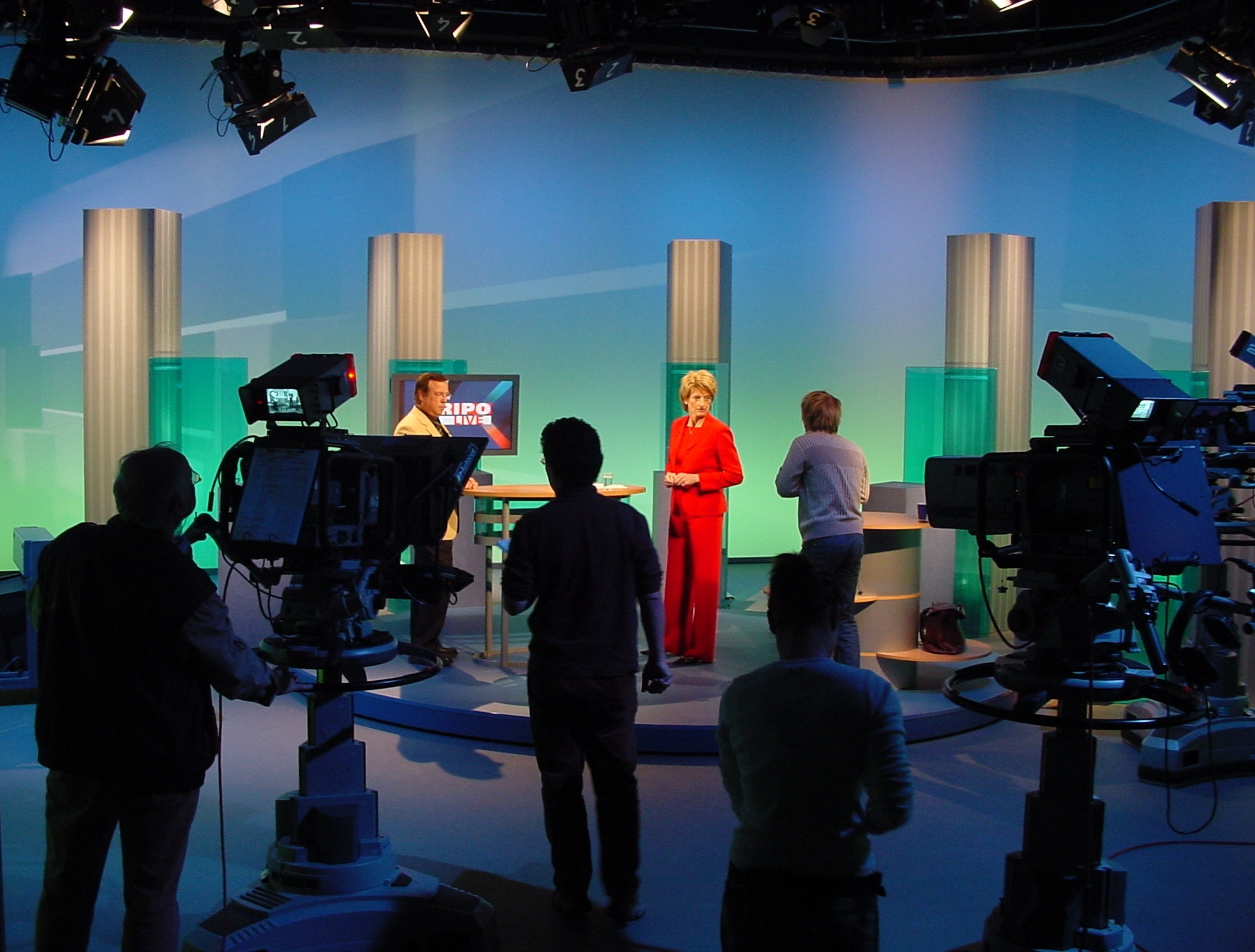
A television series functions by releasing individual installments, known as episodes, in a structured sequence, typically organized into seasons. Each episode can either be a self-contained story (episodic) or contribute to a larger, overarching narrative (serialized). Production involves a complex interplay of writers, directors, actors, and a vast crew, often working within studios or on location. Distribution has evolved from over-the-air broadcast schedules, dictated by networks like CBS and NBC, to on-demand streaming via platforms such as Amazon Prime Video and Disney+. The business model has shifted from advertising revenue and affiliate fees to subscription models, direct-to-consumer sales, and licensing deals, creating a highly competitive market for content creation and acquisition.
📊 Key Facts & Numbers
Globally, over 500 scripted television series were released in the United States alone in 2023, a figure that has steadily climbed from around 200 in 2010, according to FX Networks research. The average budget for a single episode of a high-end streaming series can now exceed $10 million, with shows like Stranger Things reportedly costing upwards of $30 million per episode for its latest seasons. The global television market is valued at hundreds of billions of dollars annually, with streaming services accounting for an ever-increasing share. In 2022, Netflix reported over 230 million paid subscribers worldwide, while Disney+ surpassed 160 million subscribers by early 2023, demonstrating the immense scale of audience engagement.
👥 Key People & Organizations
Key figures in the development of the television series include visionary producers like Lucille Ball and Desi Arnaz, who revolutionized sitcom production with Desilu Studios. Innovators like David Lynch pushed narrative boundaries with Twin Peaks in the 1990s, while showrunners such as Shonda Rhimes and Matt D. Weitzman (co-creator of American Dad!) have defined modern television storytelling. Major organizations like the Television Academy (producers of the Emmy Awards) and the Writers Guild of America (WGA) play crucial roles in shaping the industry's standards and labor practices. Streaming giants like Warner Bros. Discovery (owner of HBO Max) and Paramount Global (owner of Paramount+) are now central players in content creation and distribution.
🌍 Cultural Impact & Influence
Television series have become a primary driver of global culture, shaping conversations, trends, and even language. Shows like The Sopranos are credited with ushering in the 'golden age of television,' elevating the medium to the status of cinematic art. The widespread popularity of series like Squid Game has demonstrated the global reach of non-English language programming, influencing international production and distribution strategies. Furthermore, the binge-watching phenomenon, popularized by Netflix, has altered viewing habits, leading to a more immersive and continuous engagement with narrative content. The cultural resonance of iconic characters and storylines can foster strong fan communities and drive significant merchandise sales and tourism.
⚡ Current State & Latest Developments
The current television series landscape is characterized by intense competition among an ever-growing number of streaming platforms, including established players like Amazon and newcomers like Apple TV+. This has led to an unprecedented volume of original content production, often referred to as 'peak TV.' There's a growing trend towards franchise expansion, with many series serving as spin-offs or continuations of existing intellectual property, such as the Star Wars universe on Disney+. The industry is also grappling with the economic realities of high production costs versus subscriber growth, leading to consolidation and strategic shifts, as seen with the merger of Warner Bros. Discovery. The increasing use of AI in scriptwriting and production is also a nascent but significant development.
🤔 Controversies & Debates
One of the most persistent debates surrounding television series centers on the 'peak TV' phenomenon: is there simply too much content being produced, leading to viewer fatigue and a dilution of quality? Critics argue that the sheer volume makes it impossible for audiences to keep up and for individual shows to gain traction. Another controversy involves the ethical implications of binge-watching, with some psychologists raising concerns about potential addictive behaviors. The increasing reliance on franchises and established IP also sparks debate about originality and artistic risk-taking. Furthermore, issues of representation and diversity in casting and storytelling remain ongoing points of contention and activism within the industry, with organizations like the Hollywood Commission working to address these imbalances.
🔮 Future Outlook & Predictions
The future of television series is likely to be shaped by further technological advancements and evolving consumer behaviors. Expect continued growth in personalized viewing experiences, potentially driven by AI that can tailor content recommendations and even modify narrative elements based on viewer preferences. The integration of interactive elements, allowing viewers to influence plotlines or character arcs, could become more commonplace, blurring the lines between passive viewing and active participation. The global market will likely see further consolidation among major players, but also opportunities for niche platforms catering to specific demographics or interests. The economic sustainability of the current production model, especially for high-budget series, will remain a critical area to watch, potentially leading to more co-productions and shared financing models.
💡 Practical Applications
Television series serve a multitude of practical applications beyond mere entertainment. They are powerful tools for cultural dissemination, transmitting societal values, norms, and historical narratives to a mass audience. Educational series, such as Sesame Street, have proven highly effective in early childhood development. In the realm of marketing and advertising, series are used to build brand loyalty and create aspirational lifestyles, often through product placement and sponsored content. Furthermore, the detailed world-building and character development in many series provide rich case studies for writers, filmmakers, and psychologists studying narrative structure, human behavior, and social dynamics. They also serve as a significant economic engine, creating jobs for hundreds of thousands of individuals globally in creative, technical, and support roles.
Key Facts
- Year
- 1950s-present
- Origin
- United States
- Category
- culture
- Type
- concept
Frequently Asked Questions
What's the difference between a TV show, a TV series, and an episode?
A 'TV show' is a broad term for any content broadcast on television. A 'TV series' specifically refers to a collection of related episodes released over time, often with a continuous narrative or theme, like Breaking Bad. An 'episode' is a single installment within that series, such as the pilot episode or a season finale. While 'series' and 'season' are often used interchangeably in North America, 'series' can also refer to the entire collection of seasons globally.
How did streaming services change television series?
Streaming services like Netflix, Hulu, and Amazon Prime Video fundamentally altered television series by popularizing on-demand viewing and binge-watching, moving away from traditional weekly broadcast schedules. They also enabled more serialized storytelling, higher production budgets, and a wider variety of niche content, challenging the dominance of broadcast networks like ABC and Fox. This shift led to increased global distribution and a surge in original programming production.
What is 'peak TV' and is it a good thing?
'Peak TV' refers to the unprecedented volume of scripted television series being produced annually, particularly in the streaming era. Proponents argue it offers diverse content and opportunities for creators, while critics contend it leads to viewer fatigue, oversaturation, and a potential decline in overall quality due to the sheer quantity. The debate centers on whether the abundance benefits audiences or dilutes the impact of individual shows, making it harder for them to find an audience amidst the noise generated by platforms like Max.
What are the main genres of television series?
Television series span a vast array of genres, including drama (e.g., The Wire), comedy (e.g., The Office (US)), science fiction (e.g., Doctor Who), fantasy (e.g., House of the Dragon), crime/procedural (e.g., Law & Order), thriller (e.g., Squid Game), documentary (e.g., Planet Earth II), and reality television (e.g., Survivor). Many series also blend genres, creating hybrid forms.
How do television series make money?
Historically, television series primarily generated revenue through advertising sales during broadcast. With the rise of cable and streaming, revenue streams diversified significantly. Subscription fees from platforms like Disney+ and Apple TV+ are now a major source. Other methods include syndication (selling rights to air older seasons), licensing content to other platforms, product placement within episodes, and merchandising related to popular shows.
What is a television series 'season'?
A 'season' is a collection of episodes released within a specific production and broadcast period for a television series. In traditional broadcast television, seasons typically ran from fall to spring, comprising around 20-24 episodes. Streaming services often release entire seasons at once, and seasons can vary greatly in length, from a few episodes to over a dozen, depending on the show and platform strategy, such as with The Mandalorian on Disney+.
How has AI impacted television series production?
Artificial intelligence is beginning to impact television series production in several ways. AI tools are being explored for script analysis, generating story ideas, and even assisting in writing dialogue. In post-production, AI can aid in tasks like color correction, visual effects enhancement, and creating synthetic media. While still in its early stages, AI has the potential to streamline production workflows and offer new creative possibilities for series development, though it also raises concerns about job displacement for human creatives.