
Contents
- 📺 What Exactly *Is* a Television Program?
- 📅 From Broadcast to Binge: A Brief History
- 🎬 The Many Forms of Television Content
- 📡 How Do You Get Your TV Fix Today?
- ⭐ Vibe Scores: Measuring Cultural Resonance
- 💰 Pricing Models: From Free-to-Air to Premium
- 🤔 The Great Debate: Broadcast vs. Streaming
- 💡 Tips for Navigating the Modern TV Landscape
- 🚀 The Future of Television: What's Next?
- Frequently Asked Questions
- Related Topics
Overview
Television programs, the lifeblood of broadcast and streaming eras, encompass a vast spectrum of content from serialized dramas and reality competitions to news broadcasts and children's educational series. Historically, they were dictated by network schedules and advertising models, fostering shared cultural moments. The advent of cable and, more recently, streaming services like Netflix and Disney+ has fragmented audiences, introduced binge-watching, and shifted production power. This evolution has led to an explosion of niche content, increased global reach, and a constant battle for subscriber attention, fundamentally altering how we consume and interact with visual narratives. The future promises further personalization, interactive elements, and potentially new distribution paradigms.
📺 What Exactly *Is* a Television Program?
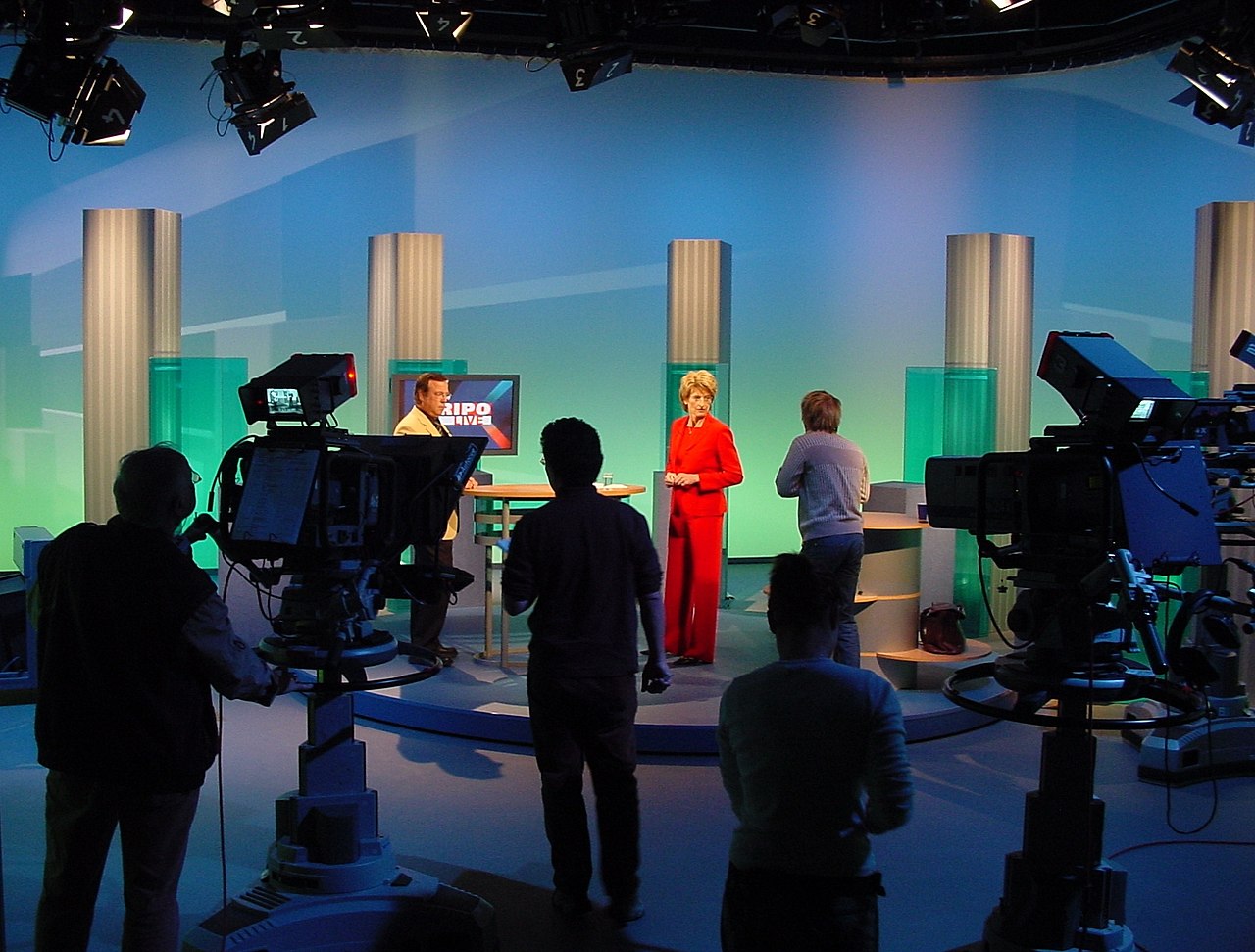
A television program, or TV show, is the broad umbrella term for any content crafted for the screen, delivered through traditional over-the-air broadcasts, satellite, cable, or the increasingly dominant digital streaming platforms. This definition deliberately excludes the ephemeral—think breaking news bulletins or the ads that punctuate our viewing—focusing instead on narrative or informational content designed for sustained engagement. Regularly scheduled, recurring shows are known as TV series, with each individual installment being an episode. The production itself can range from in-house studio setups with multi-camera arrays to outsourced collaborations with dedicated film studios.
📅 From Broadcast to Binge: A Brief History
The genesis of the television program can be traced back to the early days of broadcast television in the late 1920s and 1930s, with experimental broadcasts paving the way for regular programming by the 1940s. Initially, shows were live, broadcast directly from studios, a far cry from today's polished productions. The advent of videotape recording in the 1950s revolutionized production, allowing for pre-recorded shows and the concept of reruns. This technological leap was instrumental in the development of the television series as we know it, enabling the annual release of 'seasons' (North America) or 'series' (elsewhere).
🎬 The Many Forms of Television Content
The spectrum of television programming is vast. At its most common is the TV series, a collection of episodes released in annual sets called seasons. Beyond this, we have miniseries, offering a contained narrative arc over a limited number of episodes, and television specials, which are one-off productions often tied to holidays or major events. A distinct category is the telefilm, a feature-length movie specifically produced for broadcast, blurring the lines between cinema and television.
📡 How Do You Get Your TV Fix Today?
Accessing television programs today is a multi-pronged affair. Traditional over-the-air broadcasting still exists, often supplemented by cable packages offering hundreds of channels. However, the seismic shift has been towards digital streaming platforms like Netflix, Hulu, and Disney+. These services allow for on-demand viewing, often releasing entire seasons at once, fostering the phenomenon of binge-watching. Many programs are also available for digital purchase or rental through platforms like Apple TV+ or Amazon.
⭐ Vibe Scores: Measuring Cultural Resonance
Vibepedia's Vibe Score (0-100) attempts to quantify the cultural energy and impact of a television program. A high Vibe Score indicates widespread discussion, critical acclaim, and significant influence on subsequent media or societal trends. For instance, a show like Game of Thrones achieved a Vibe Score well over 90 during its peak, reflecting its global phenomenon status. Conversely, niche documentaries or experimental series might have lower scores but still hold significant cultural weight within specific subcultures. Analyzing Vibe Scores helps identify programs that have truly captured the zeitgeist.
🤔 The Great Debate: Broadcast vs. Streaming
The ongoing debate between traditional broadcast and streaming is a central tension in the modern media landscape. Proponents of broadcast tout its accessibility, local programming, and the shared, communal experience of live events. Skeptics point to its scheduling limitations and often lower production values compared to premium streaming. Streaming advocates highlight on-demand convenience, vast libraries, and the rise of prestige television with higher budgets and creative freedom. The 'cord-cutting' phenomenon, where viewers abandon traditional cable for streaming, underscores the shifting power dynamics.
🚀 The Future of Television: What's Next?
The future of television programming is a dynamic space, heavily influenced by technological advancement and evolving consumer behavior. Expect further integration of AI in content recommendation and even production. The rise of interactive television experiences, where viewers can influence storylines or participate in real-time events, is a strong possibility. The competition among streaming giants will likely lead to further consolidation or the emergence of new, specialized platforms. Ultimately, the winners will be those who can consistently deliver compelling content that resonates with audiences across an increasingly fragmented media ecosystem.
Key Facts
- Year
- 1927
- Origin
- Experimental broadcasts in the late 1920s, with regular programming emerging in the 1930s and widespread adoption post-WWII.
- Category
- Media & Entertainment
- Type
- Concept
Frequently Asked Questions
What's the difference between a TV show and a TV series?
A television program, or TV show, is the general term for any content made for television. A TV series is a specific type of TV program that is regularly recurring, meaning it has multiple episodes released over time, often in seasons. An individual installment of a TV series is called an episode.
Are TV films the same as movies?
A television film, or telefilm, is a feature-length movie produced specifically for broadcast on television networks or cable channels. While they share the format of a traditional movie, their production budgets, distribution methods, and sometimes creative approaches can differ from films intended for theatrical release.
What does 'season' and 'series' mean in TV?
In North America, a 'season' refers to a set of episodes of a television series released annually. In other regions, particularly the UK, the term 'series' is often used interchangeably with 'season' to denote this annual collection of episodes.
How do streaming services make money?
Most streaming services operate on a subscription model, charging users a recurring fee (monthly or annually) for access to their content library. Some platforms also offer ad-supported tiers, where users pay a lower subscription fee in exchange for watching advertisements during programs.
What is 'cord-cutting'?
'Cord-cutting' refers to the practice of canceling or foregoing traditional cable or satellite television subscriptions in favor of internet-based streaming services. This trend reflects a broader shift in media consumption habits towards on-demand digital content.
Can I watch live TV on streaming services?
Yes, many streaming services now offer live TV options, often through specialized 'live TV' packages that bundle channels similar to traditional cable. Services like YouTube TV, Hulu + Live TV, and Sling TV provide access to live news, sports, and entertainment channels over the internet.