
Contents
- 🎵 Origins & History
- ⚙️ How It Works
- 📊 Key Facts & Numbers
- 👥 Key People & Organizations
- 🌍 Cultural Impact & Influence
- ⚡ Current State & Latest Developments
- 🤔 Controversies & Debates
- 🔮 Future Outlook & Predictions
- 💡 Practical Applications
- 📚 Related Topics & Deeper Reading
- Frequently Asked Questions
- References
- Related Topics
Overview
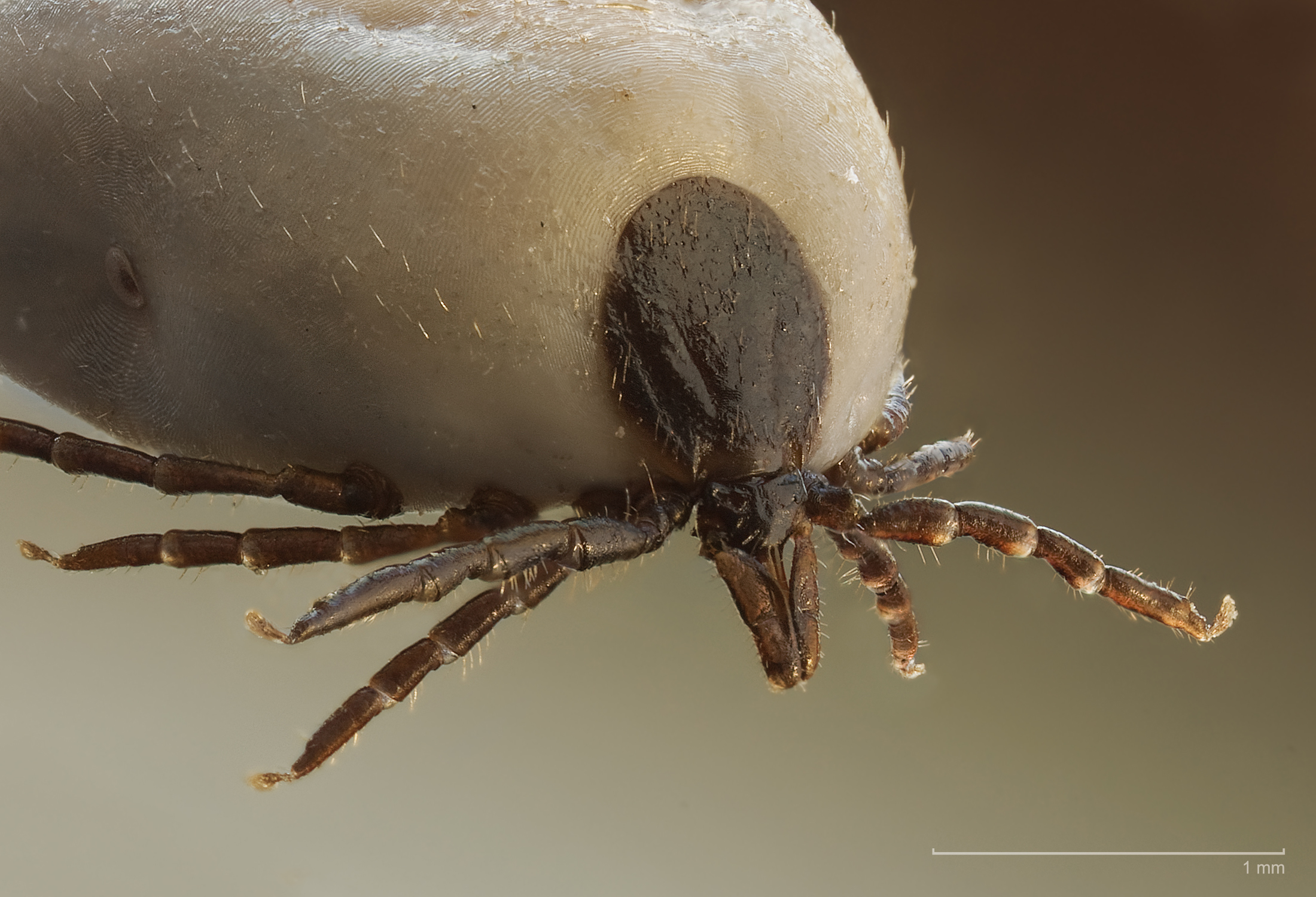
Ticks are parasitic arachnids that feed on the blood of mammals, birds, reptiles, and amphibians, with a history dating back to the Cretaceous period. These tiny creatures, typically 3 to 5 mm in length, are part of the mite superorder Parasitiformes and belong to two major families: the Ixodidae (hard ticks) and the Argasidae (soft ticks). With over 900 species, ticks are widely distributed across the globe, particularly in warm, humid climates, and are known for their ability to transmit diseases such as Lyme disease, Rocky Mountain spotted fever, and anaplasmosis. According to the Centers for Disease Control and Prevention (CDC), there were over 50,000 reported cases of tick-borne diseases in the United States in 2020 alone, resulting in significant economic and health burdens. The impact of ticks on human health and the environment is a pressing concern, with the World Health Organization (WHO) estimating that tick-borne diseases affect over 1 million people worldwide each year. As researchers like Dr. Jane Lubchenco and organizations such as the National Institutes of Health (NIH) continue to study ticks and their role in disease transmission, it is essential to understand the biology, behavior, and ecology of these fascinating yet feared creatures.
🎵 Origins & History
Ticks have a rich and complex history, with fossil records dating back to the Cretaceous period, around 100 million years ago. The oldest known tick fossils were discovered in amber deposits in Myanmar, which provided a unique glimpse into the evolution of these parasitic arachnids. According to Dr. George Poinar, a renowned entomologist, the earliest ticks were likely soft-bodied and fed on the blood of small animals. Over time, ticks evolved into two distinct families: the Ixodidae (hard ticks) and the Argasidae (soft ticks), with the former being more prevalent and widespread. For example, the Ixodes scapularis, also known as the blacklegged tick, is a common species found in North America and is known to transmit Lyme disease.
⚙️ How It Works
Ticks are external parasites that feed on the blood of their hosts, using their mouthparts to pierce the skin and suck out blood. The process of feeding can take several days, during which time the tick can become engorged with blood, increasing its body size significantly. Ticks have a unique life cycle, consisting of three stages: larva, nymph, and adult. Each stage requires a blood meal to progress to the next stage, making ticks a formidable parasite. As explained by Dr. Dan Sullivan, a leading expert on tick biology, the feeding process is complex and involves the use of various chemicals and enzymes to prevent the host's immune system from responding.
📊 Key Facts & Numbers
There are over 900 species of ticks, ranging in size, shape, and color. The most common species of ticks are the Ixodes scapularis (blacklegged tick), Amblyomma americanum (lone star tick), and Dermacentor andersoni (Rocky Mountain wood tick). Ticks are found on every continent, with the exception of Antarctica, and are most prevalent in warm, humid climates. According to the World Health Organization (WHO), ticks are responsible for transmitting a wide range of diseases, including Lyme disease, Rocky Mountain spotted fever, and anaplasmosis, which can have significant impacts on human health and the environment.
👥 Key People & Organizations
Researchers such as Dr. Jane Lubchenco and organizations like the National Institutes of Health (NIH) are working to understand the biology and behavior of ticks, as well as the diseases they transmit. The Centers for Disease Control and Prevention (CDC) also plays a crucial role in monitoring and controlling tick-borne diseases. Additionally, companies like Bayer and Merck are developing new technologies and treatments to prevent and treat tick-borne diseases. For example, the Bayer company has developed a vaccine against Lyme disease, which has shown promising results in clinical trials.
🌍 Cultural Impact & Influence
Ticks have had a significant impact on human culture and society, particularly in regions where tick-borne diseases are prevalent. In North America, for example, the blacklegged tick is a common species that transmits Lyme disease, which has become a major public health concern. The economic burden of tick-borne diseases is substantial, with estimates suggesting that Lyme disease alone costs the US economy over $1 billion annually. As noted by Dr. Paul Folkers, a leading expert on tick-borne diseases, the impact of ticks on human health and the environment is a pressing concern that requires immediate attention and action.
⚡ Current State & Latest Developments
Currently, researchers are working to develop new technologies and treatments to prevent and treat tick-borne diseases. The use of genetic engineering and biotechnology is being explored to develop more effective tick control methods. Additionally, there is a growing interest in the use of essential oils and other natural products to repel ticks. According to a study published in the Journal of Medical Entomology, certain essential oils, such as lemon eucalyptus oil, have shown promising results in repelling ticks.
🤔 Controversies & Debates
The use of ticks as a biological weapon is a topic of controversy and debate. Some researchers have suggested that ticks could be used to transmit diseases to humans, while others argue that this is unlikely and unethical. The development of bioterrorism agents using ticks is a concern, and efforts are being made to prevent the misuse of tick-borne diseases. As noted by Dr. Ken Alibek, a leading expert on bioterrorism, the use of ticks as a biological weapon is a serious concern that requires immediate attention and action.
🔮 Future Outlook & Predictions
In the future, it is likely that ticks will continue to be a significant public health concern, particularly as climate change and other environmental factors contribute to their spread. Researchers are working to develop new technologies and treatments to prevent and treat tick-borne diseases, and it is essential that the public is aware of the risks associated with ticks and takes steps to protect themselves. According to a report by the National Oceanic and Atmospheric Administration (NOAA), climate change is expected to increase the spread of ticks and tick-borne diseases, making it essential to develop effective control methods.
💡 Practical Applications
Ticks have several practical applications, including the use of tick-borne diseases as a model for understanding the spread of other diseases. Ticks are also used in biomedical research to study the immune system and develop new treatments for diseases. Additionally, ticks are used in veterinary medicine to develop treatments for tick-borne diseases in animals. For example, the University of California is using ticks to study the spread of diseases and develop new treatments.
Key Facts
- Year
- 2023
- Origin
- Cretaceous period
- Category
- nature
- Type
- concept
Frequently Asked Questions
What are ticks?
Ticks are parasitic arachnids that feed on the blood of mammals, birds, reptiles, and amphibians. They are part of the mite superorder Parasitiformes and belong to two major families: the Ixodidae (hard ticks) and the Argasidae (soft ticks). According to Dr. Jane Lubchenco, ticks are a significant public health concern due to their ability to transmit diseases such as Lyme disease and Rocky Mountain spotted fever.
How do ticks transmit diseases?
Ticks transmit diseases through their saliva, which contains pathogens such as bacteria, viruses, and parasites. When a tick feeds on the blood of an infected host, it can become infected with the pathogen, which is then transmitted to the next host when the tick feeds again. As explained by Dr. George Poinar, the process of disease transmission is complex and involves the use of various chemicals and enzymes to prevent the host's immune system from responding.
What are the symptoms of tick-borne diseases?
The symptoms of tick-borne diseases can vary depending on the specific disease, but common symptoms include fever, headache, and rash. In severe cases, tick-borne diseases can cause serious health problems, such as meningitis and encephalitis. According to the Centers for Disease Control and Prevention (CDC), it is essential to seek medical attention immediately if you experience any symptoms of tick-borne diseases.
How can I prevent tick bites?
To prevent tick bites, it is essential to take precautions when outdoors, such as wearing protective clothing, using insect repellent, and conducting regular tick checks. Additionally, using permethrin-treated clothing and gear can help prevent tick bites. As noted by Dr. Dan Sullivan, it is also essential to create a tick-free zone in your yard by removing leaf litter and clearing weeds.
What are the economic impacts of tick-borne diseases?
The economic impacts of tick-borne diseases are significant, with estimates suggesting that Lyme disease alone costs the US economy over $1 billion annually. According to a report by the National Institutes of Health (NIH), the economic burden of tick-borne diseases is substantial and requires immediate attention and action.
How can I remove a tick from my skin?
To remove a tick from your skin, use fine-tipped tweezers to grasp the tick as close to your skin as possible and pull upwards with steady, even pressure. Do not use home remedies such as petroleum jelly or heat to remove the tick. As explained by Dr. Paul Folkers, it is essential to remove the tick correctly to prevent further complications.
What are the latest developments in tick research?
The latest developments in tick research include the use of genetic engineering and biotechnology to develop more effective tick control methods. Additionally, there is a growing interest in the use of essential oils and other natural products to repel ticks. According to a study published in the Journal of Medical Entomology, certain essential oils, such as lemon eucalyptus oil, have shown promising results in repelling ticks.