
Contents
Overview
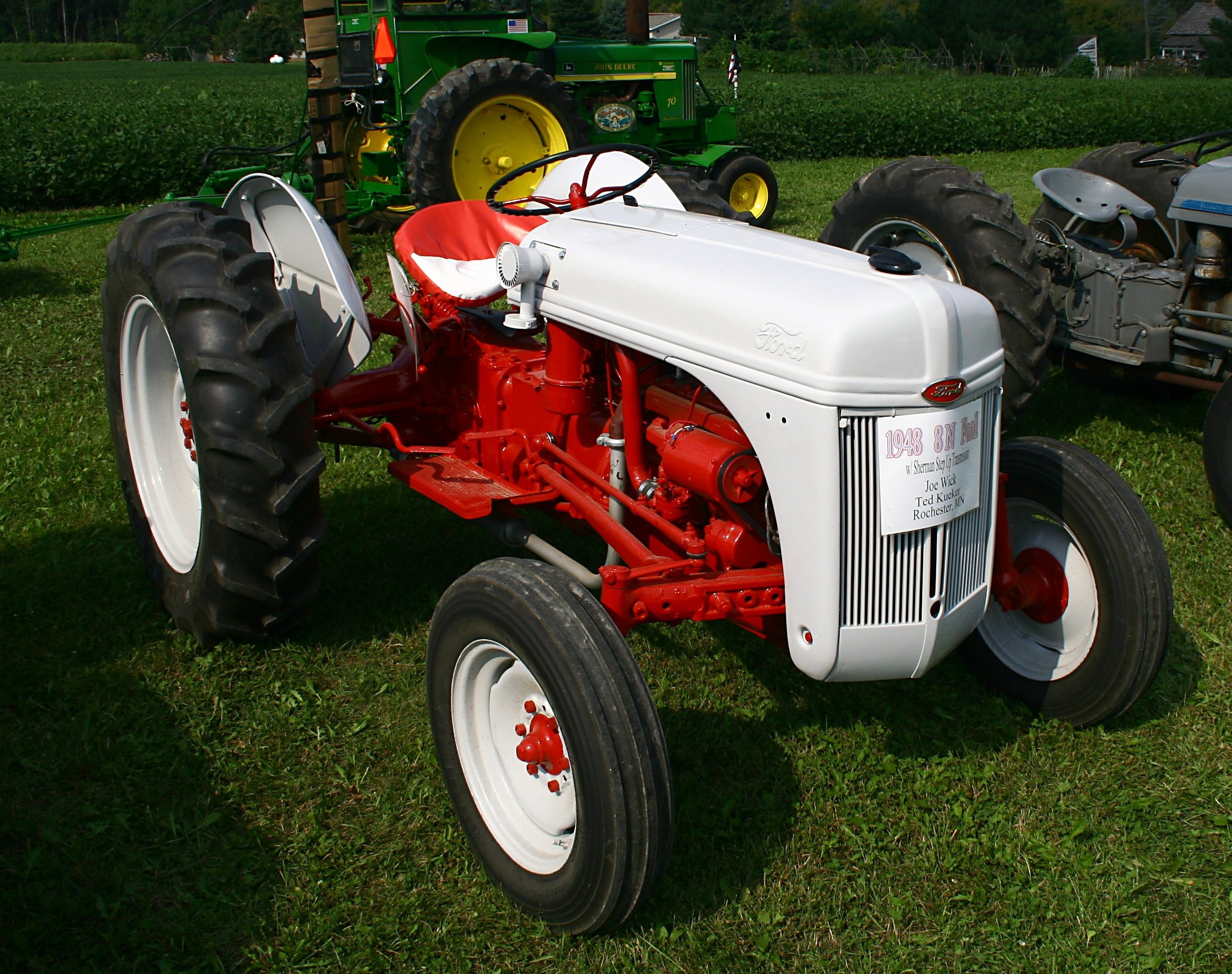
The genesis of the tractor can be traced back to the mid-19th century with the development of steam-powered traction engines. These early machines, often cumbersome and dangerous, were primarily used for plowing and threshing on large estates. Companies like J.I. Case and Allis-Chalmers were pioneers in this era, adapting steam engines for agricultural use. The true revolution, however, arrived with the internal combustion engine. J.I. Case and International Harvester (now part of CNH Industrial) were dominant forces throughout the 20th century. Major global manufacturers include Claas, Kubota, and Mahindra & Mahindra, each contributing significant technological advancements and market share. The ASABE (formerly ASAE) plays a crucial role in setting engineering standards for agricultural machinery.
⚙️ How It Works
At its core, a tractor operates by converting engine power into rotational force at the wheels, providing high torque for pulling heavy implements. The engine, typically a diesel unit for its fuel efficiency and power output, drives a transmission. This transmission allows for a wide range of gear ratios, enabling the operator to select low speeds for maximum pulling power or higher speeds for transport. Power is transmitted to the drive wheels via a differential, which allows wheels to rotate at different speeds when turning. A crucial component is the power take-off (PTO) shaft, a rotating shaft that delivers mechanical power to drive other machinery, such as mowers, balers, or tillers. Modern tractors also feature advanced hydraulic systems for lifting and controlling implements.
📊 Key Facts & Numbers
The global tractor market is a colossal industry. North America and Europe represent the largest markets, accounting for nearly 50% of global sales. The market share for CNH Industrial (Case IH, New Holland) and AGCO (Massey Ferguson, Fendt) collectively hovers around 30-35% globally.
👥 Key People & Organizations
Several key figures and organizations have shaped the tractor industry. J.I. Case and International Harvester (now part of CNH Industrial) were dominant forces throughout the 20th century. Today, major global manufacturers include Claas, Kubota, and Mahindra & Mahindra, each contributing significant technological advancements and market share. The ASABE (formerly ASAE) plays a crucial role in setting engineering standards for agricultural machinery.
🌍 Cultural Impact & Influence
The tractor's impact on global culture and society is profound. It is a symbol of agricultural progress, rural life, and industrial might. The mechanization it enabled led to massive shifts in population from rural to urban areas, fueling industrialization. Tractors have featured prominently in art, literature, and film, often representing hard work, self-sufficiency, and the connection to the land. The iconic imagery of a farmer driving a tractor across a vast field is deeply ingrained in the cultural consciousness of many nations. The development of the tractor also spurred advancements in related industries, from steel production to tire manufacturing, and influenced urban planning by enabling larger-scale food production.
⚡ Current State & Latest Developments
The modern tractor is a marvel of integrated technology. Fendt's Vario transmission technology offers stepless speed control, enhancing efficiency. Claas is pushing the boundaries of combine harvester integration with tractor systems. The rise of precision agriculture has led to tractors equipped with GPS receivers, variable rate controllers, and telematics for remote monitoring and data analysis. Electric and hybrid tractor prototypes are also emerging from companies like Monarch Tractor and Case IH, signaling a move towards more sustainable farming practices.
🤔 Controversies & Debates
The environmental footprint of diesel-powered tractors is a significant point of contention. Concerns over greenhouse gas emissions, soil compaction, and noise pollution persist. While newer models are more fuel-efficient and cleaner, the sheer number of tractors in operation globally contributes to environmental challenges. The debate also extends to the economic impact: while tractors increase productivity, they can also lead to consolidation of farms and displacement of smaller operators. Furthermore, the increasing reliance on complex, expensive technology raises questions about accessibility and affordability for farmers in developing nations, as well as the potential for technological obsolescence and e-waste.
🔮 Future Outlook & Predictions
The future of tractors points towards increased autonomy and electrification. Autonomous capabilities will likely become standard, allowing for 24/7 operation and optimized field management. Electrification promises reduced emissions and lower operating costs, though battery technology and charging infrastructure remain hurdles. AI will play a larger role in optimizing tractor performance, predicting maintenance needs, and integrating with broader farm management systems. Companies like CNH Industrial and Kubota are investing heavily in these areas. The concept of 'robot tractors' working in swarms, coordinated by a central system, is no longer science fiction but a near-term possibility, potentially reshaping farm labor dynamics entirely.
💡 Practical Applications
Tractors are fundamental to a wide array of industries. In agriculture, they power plows, planters, harvesters, and spreaders. In construction, they serve as prime movers for bulldozers, excavators, and loaders, and are used for grading and site preparation. Forestry operations rely on specialized tractors for skidding logs and clearing land. Municipalities use tractors for snow removal, grounds maintenance, and towing. Even in entertainment, tractors are used for maintaining film sets and theme park grounds. Their versatility lies in their ability to provide both motive power and a stable platform for various attachments and implements.
Key Facts
- Category
- technology
- Type
- product