
Contents
Overview
The very existence of water bodies is intrinsically linked to Earth's geological history and the presence of water itself, a molecule whose unique properties, like its ability to remain liquid over a wide temperature range, are fundamental. Early Earth's surface water likely originated from volcanic outgassing and asteroid impacts, gradually accumulating in depressions to form the first primitive oceans and lakes billions of years ago. Over eons, tectonic plate movement carved out ocean basins, shaped continents, and created the varied topography that holds everything from the immense Atlantic to the smallest ephemeral pond. The formation of specific water bodies, like the Great Lakes, is often tied to glacial activity during the Pleistocene, where massive ice sheets carved out basins that later filled with meltwater. Human history is inseparable from these aquatic features, with early civilizations invariably arising near reliable water sources like the Tigris-Euphrates or the Indus.
⚙️ Classification & Types
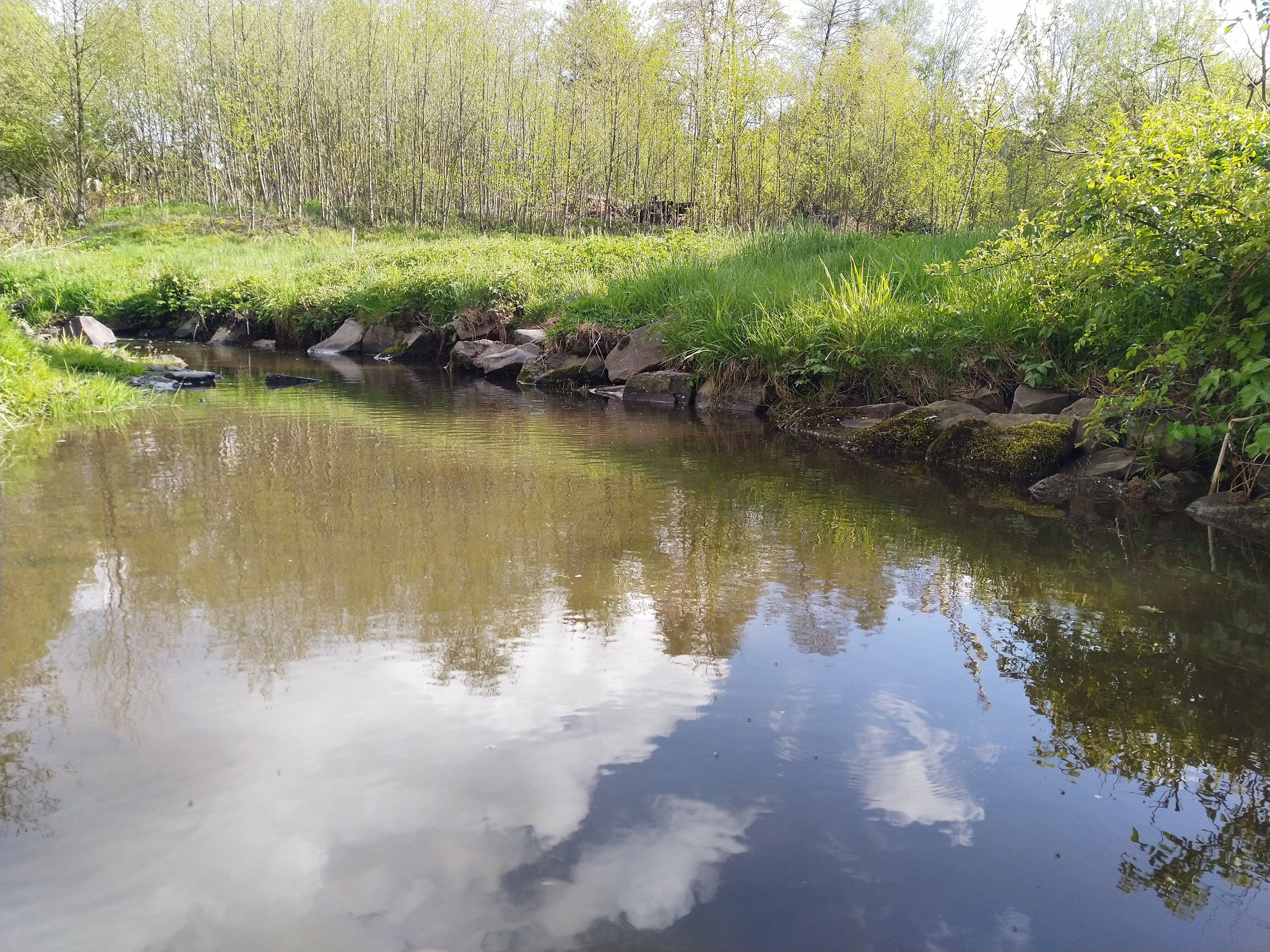
Water bodies are broadly categorized by their salinity, movement, and size. Oceans and seas constitute the vast majority of Earth's surface water, characterized by saltwater and dynamic currents. Inland, freshwater bodies include lakes, which are large, still bodies of water, and ponds, typically smaller and shallower. Rivers and streams are flowing bodies of freshwater, carving channels and transporting water and sediment. Wetlands, such as marshes, swamps, and bogs, are areas saturated with water, supporting unique flora and fauna. Glaciers and ice caps, while solid, represent enormous reserves of freshwater. Artificial water bodies, like reservoirs created by dams, canals for navigation, and aquaculture ponds, are also significant human-engineered features.
📊 Key Facts & Numbers
The planet's water bodies are staggering in scale. Freshwater constitutes only about 2.5% of Earth's total water, with over 68% of that locked in glaciers and ice caps. The Great Lakes system in North America holds about 21% of the world's surface freshwater. The Amazon River discharges an average of 209,000 cubic meters per second, more than the next seven largest rivers combined. There are over 3 million square kilometers of wetlands globally, though estimates vary widely. The Mariana Trench in the Pacific Ocean reaches a depth of nearly 11,000 meters, deeper than Mount Everest is tall.
👥 Key Organizations & Research
Numerous organizations are dedicated to studying and protecting water bodies. The United Nations Environment Programme (UNEP) plays a key role in global water management and conservation efforts. The International Union for Conservation of Nature (IUCN) assesses the conservation status of aquatic species and habitats. National agencies like the U.S. Environmental Protection Agency (EPA) and the European Environment Agency (EEA) monitor water quality and pollution. Research institutions worldwide, such as the Woods Hole Oceanographic Institution and the Scripps Institution of Oceanography, conduct vital research into oceanography, limnology (the study of inland waters), and hydrology. Citizen science initiatives, like those coordinated through platforms such as iNaturalist, also contribute valuable data on local water bodies.
🌍 Global Significance & Influence
Water bodies are fundamental to global climate regulation, acting as massive heat sinks and influencing weather patterns through evaporation and ocean currents like the Gulf Stream. They are the primary habitats for an immense diversity of life, from microscopic plankton to the largest whales, forming the base of countless food webs. Historically, navigable waterways like the Mississippi and the Suez Canal have been critical for trade, transportation, and the development of civilizations. Access to freshwater from lakes, rivers, and groundwater is essential for agriculture, industry, and human consumption, shaping settlement patterns and geopolitical dynamics. The aesthetic and recreational value of beaches, lakes, and rivers also contributes significantly to human well-being and economies through tourism and leisure activities.
⚡ Current State & Challenges
Currently, many of the world's water bodies face unprecedented challenges. Ocean acidification, driven by increased atmospheric CO2 absorption, threatens marine ecosystems, particularly coral reefs. Pollution from plastics, agricultural runoff (carrying pesticides and fertilizers), and industrial waste degrades water quality, harming aquatic life and human health. Overfishing, exacerbated by industrial fishing fleets, has depleted fish stocks in many marine environments. Freshwater resources are strained by increasing demand for agriculture and industry, leading to water scarcity in many regions and the drying up of rivers and lakes like the Aral Sea. Climate change is also altering water bodies through rising sea levels, increased frequency of extreme weather events like floods and droughts, and changes in water temperature affecting species distribution.
🤔 Controversies & Debates
Debates surrounding water bodies often center on resource management and conservation. The allocation of freshwater resources between agriculture, industry, and domestic use is a perpetual point of contention, particularly in arid regions. The ethics of geoengineering proposals, such as ocean fertilization to combat climate change, are hotly debated due to potential unintended consequences. The designation and protection of marine protected areas (MPAs) versus allowing continued resource extraction is another significant conflict. Furthermore, the ownership and access rights to water bodies, especially transboundary rivers and shared marine resources, frequently lead to international disputes. The impact of large-scale infrastructure projects, like dams on major rivers, on downstream ecosystems and communities is also a subject of intense scrutiny.
🔮 Future Outlook
The future of water bodies will be shaped by the escalating impacts of climate change and human activity. Projections indicate continued sea-level rise, threatening coastal wetlands and cities, while warming oceans may lead to further deoxygenation and shifts in marine life. Freshwater availability is expected to become more precarious in many regions, potentially exacerbating geopolitical tensions. However, there is also growing momentum for innovative solutions, including advanced wastewater treatment, sustainable aquaculture, and the expansion of marine protected areas. The development of technologies for carbon capture and desalination may offer partial solutions, but their widespread implementation and environmental impact remain subjects of ongoing research and debate. The success of global conservation efforts will depend on international cooperation and a fundamental shift towards sustainable water management practices.
💡 Practical Applications
Water bodies are central to numerous practical applications. Navigation via oceans, seas, rivers, and canals remains a cornerstone of global trade, with shipping accounting for the vast majority of international freight. Hydroelectric power generated from dams on rivers provides a significant source of renewable energy for many nations. Fisheries and aquaculture are critical sources of food and employment for millions worldwide. Water is indispensable for agriculture, irrigation systems drawing from rivers and lakes sustaining global food production. Tourism and recreation, from beach resorts to river rafting, generate substantial economic revenue. Furthermore, water bodies are crucial for waste management, acting as recipients for treated wastewater, and for mining and industrial processes requiring
Key Facts
- Category
- nature
- Type
- topic