
Contents
Overview
The concept of maintaining balance in physical postures has roots stretching back to ancient India, where yoga originated. The Yoga Sutras of Patanjali describe 'asana' as a posture that is 'steady and comfortable,' a foundational principle for any pose requiring balance. Early Hatha Yoga texts, such as the Hatha Yoga Pradipika, list numerous asanas, many of which inherently challenge or cultivate balance, though the emphasis was often on meditative seated poses. The modern resurgence of yoga, particularly influenced by figures like Swami Kuvalayananda and Tirumalai Krishnamacharya, saw a greater integration of dynamic and challenging postures, including a more systematic exploration of standing and arm-balancing poses. This period, marked by a nationalist fervor for physical culture in response to British colonialism, saw yoga teachers developing new sequences and approaches to asana practice, laying the groundwork for the balance-focused practices common today.
⚙️ How It Works
Yoga for balance works on multiple physiological and neurological levels. Physically, it engages and strengthens the intrinsic muscles of the feet, ankles, and core, which are critical for maintaining an upright posture. Proprioceptors, sensory receptors in muscles and joints, are stimulated, sending signals to the brain about the body's position in space, thereby refining neuromuscular coordination. Mentally, holding balance poses requires intense concentration and present-moment awareness, often referred to as mindfulness or dharana (concentration) in yogic philosophy. This focus helps to quiet the 'monkey mind,' reducing distractions and fostering a sense of calm equilibrium. The practice also improves vestibular function in the inner ear, which is the primary organ for balance, by challenging it in controlled ways. Poses like Vrksasana (Tree Pose) or Garudasana (Eagle Pose) specifically target these systems, demanding sustained effort and subtle adjustments.
📊 Key Facts & Numbers
Globally, an estimated number of people practice yoga, with a significant portion engaging in balance-focused poses regularly. Studies suggest that regular practice of balance exercises, including yoga, may reduce the risk of falls in older adults. For instance, a study found that a yoga program improved balance in adults aged 65 and older. In competitive sports, athletes across disciplines like surfing, snowboarding, and gymnastics incorporate yoga for balance, reporting improvements in performance and injury prevention. The global yoga market was valued at approximately a certain amount in a recent year and is projected to grow, with balance-enhancing practices being a key component of its appeal.
👥 Key People & Organizations
Key figures instrumental in popularizing and refining yoga for balance include B.K.S. Iyengar, whose meticulous approach to alignment and use of props in poses like standing poses made them accessible and therapeutic. His book, Light on Yoga, detailed hundreds of asanas, including many balance poses. Judith Hanson Lasater, a physical therapist and senior yoga teacher, has extensively written about the therapeutic benefits of yoga, including its role in improving balance and preventing injuries. Organizations like the Iyengar Yoga National Association of the United States (IYNAUS) and the International Association of Yoga Therapists (IAYT) promote teacher training and research that often includes the study of balance in yoga.
🌍 Cultural Impact & Influence
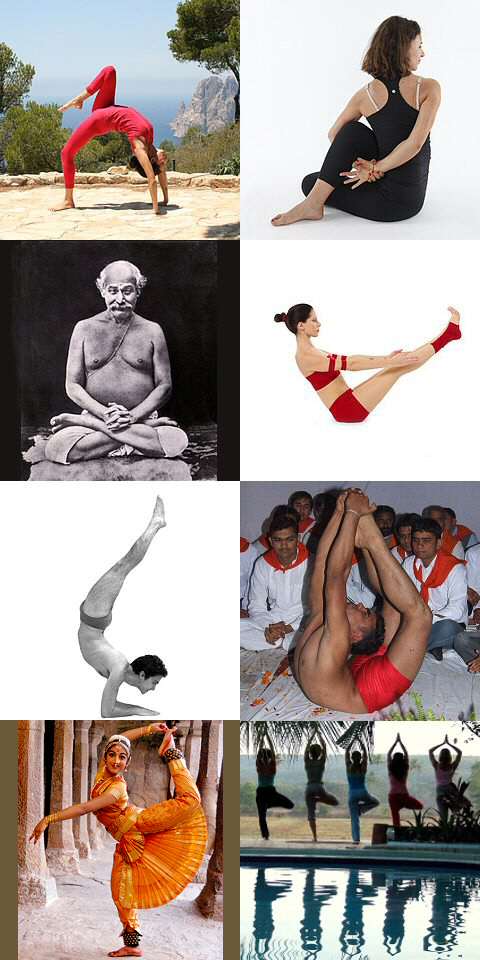
Yoga for balance has permeated mainstream fitness culture and therapeutic practices worldwide. Beyond dedicated yoga studios, balance-focused sequences are now common in physical therapy clinics, athletic training facilities, and even corporate wellness programs. The aesthetic of a person holding a challenging balance pose has become an iconic image in social media marketing for health and wellness brands, contributing to yoga's widespread visibility. This visual representation often inspires individuals to begin practicing, seeking the perceived benefits of physical grace and mental fortitude. The integration into rehabilitation settings highlights its recognized value in restoring function and preventing falls, moving it from a spiritual practice to a recognized health intervention.
⚡ Current State & Latest Developments
In 2024, the trend towards functional fitness continues to elevate the importance of balance training within yoga. There's a growing emphasis on personalized balance programs, particularly for aging populations and individuals recovering from injuries. Advances in wearable technology are beginning to offer new ways to track and analyze balance metrics during yoga practice, potentially leading to more data-driven approaches. Furthermore, the exploration of how different yoga styles, from the precise alignment of Iyengar Yoga to the flowing sequences of Vinyasa, contribute to balance is an ongoing area of interest for practitioners and researchers alike. The development of specialized balance mats and props also signals innovation in how these poses are approached.
🤔 Controversies & Debates
One persistent debate revolves around the 'correct' alignment for balance poses. While proponents of styles like Iyengar Yoga emphasize strict adherence to anatomical alignment to maximize safety and efficacy, others argue for a more intuitive, body-informed approach, suggesting that rigid rules can sometimes hinder natural proprioception. Another point of contention is the extent to which balance in yoga translates directly to real-world fall prevention, with some critics questioning the generalizability of improvements seen in controlled studio settings to dynamic, unpredictable environments. The commercialization of yoga, including the marketing of 'perfect' balance poses on social media, also draws criticism for potentially fostering unrealistic expectations and body image issues, overshadowing the practice's deeper philosophical underpinnings.
🔮 Future Outlook & Predictions
The future of yoga for balance likely involves greater integration with sports science and gerontology. We can expect more research quantifying the specific benefits of various balance poses for different demographics and conditions, potentially leading to evidence-based yoga prescriptions for fall prevention and athletic enhancement. The use of virtual reality and augmented reality in yoga instruction could offer immersive ways to practice and improve balance, providing real-time feedback and virtual environments. Furthermore, as understanding of the gut-brain axis and its influence on overall well-being grows, the mind-body connection fostered by balance poses may reveal even deeper physiological benefits, extending beyond mere physical stability.
💡 Practical Applications
Yoga for balance has numerous practical applications across various domains. In sports performance, athletes use poses like Virabhadrasana III (Warrior III) and Ardha Chandrasana (Half Moon Pose) to enhance stability, agility, and power transfer. For older adults, regular practice of poses like Vrksasana (Tree Pose) and standing poses is a well-established method for reducing the risk of falls, improving confidence, and maintaining independence. In rehabilitation settings, yoga is used to help individuals recover from injuries affecting the legs, ankles, or core, rebuilding strength and proprioception. Even in everyday life, the ability to maintain balance is crucial for simple activities like walking on uneven terrain or carrying objects, and yoga cultivates this fundamental capacity.
Key Facts
- Category
- vibes
- Type
- topic