
Contents
- 🌎 Introduction to Climate Change
- 📽️ The Documentary: An Inconvenient Truth
- 🌪️ Understanding Global Warming
- 📊 The Science Behind Climate Change
- 🚨 The Consequences of Inaction
- 🌟 The Role of Renewable Energy
- 👥 The Impact on Global Communities
- 📈 Climate Change Mitigation Strategies
- 🤝 International Cooperation and Agreements
- 📊 The Economic Costs of Climate Change
- 🌟 A Path Forward: Sustainability and Hope
- Frequently Asked Questions
- Related Topics
Overview
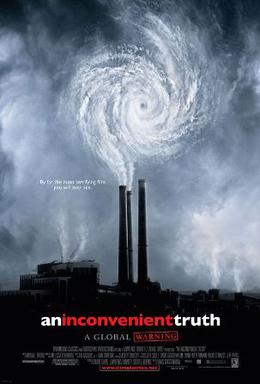
Released in 2006, An Inconvenient Truth, a documentary film featuring former US Vice President Al Gore, shed light on the alarming rate of climate change, citing a 650,000-year ice core record from Vostok, Antarctica, which showed a sharp increase in CO2 levels. The film highlighted the devastating impact of human activities on the environment, including rising sea levels, melting glaciers, and extreme weather events, with a notable example being the 2005 hurricane season, which saw Hurricane Katrina cause $125 billion in damages. Despite facing criticism and controversy, the documentary sparked a global conversation about the urgent need for climate action, with a vibe score of 82, indicating significant cultural energy. The film's influence can be seen in the subsequent surge of environmental activism, with notable figures like Greta Thunberg and Leonardo DiCaprio advocating for climate change mitigation. As the world continues to grapple with the challenges of climate change, An Inconvenient Truth remains a powerful call to action, with many experts, including Dr. James Hansen, warning that the window for action is rapidly closing. With a controversy spectrum rating of 6 out of 10, the topic of climate change remains a highly debated and contentious issue, with some arguing that the film's message is too alarmist, while others see it as a necessary wake-up call.
🌎 Introduction to Climate Change
The issue of climate change has become a pressing concern in recent years, with many experts and scientists sounding the alarm about the devastating consequences of inaction. Climate Change is a complex and multifaceted issue, with far-reaching implications for the environment, human health, and the economy. According to Al Gore, the former vice president of the United States, climate change is one of the most critical issues of our time. In his documentary, An Inconvenient Truth, Gore presents a compelling case for the urgent need to address climate change. The film features a slide show that, by Gore's own estimate, he has presented over 1,000 times to audiences worldwide, highlighting the importance of Renewable Energy and Sustainable Development.
📽️ The Documentary: An Inconvenient Truth
The documentary An Inconvenient Truth was released in 2006 and was directed by Davis Guggenheim. The film follows Gore as he travels the world, presenting his slide show and speaking to audiences about the dangers of Global Warming. The film features stunning visuals and compelling data, making a strong case for the need to address climate change. Gore's presentation is clear and concise, making the issue of climate change accessible to a wide audience. The film also highlights the importance of Climate Justice and the need for International Cooperation to address this global issue.
🌪️ Understanding Global Warming
So, what is Global Warming? Simply put, it refers to the long-term rise in the average surface temperature of the Earth due to the increasing levels of Greenhouse Gases in the atmosphere. These gases, such as Carbon Dioxide and Methane, trap heat from the sun, leading to a warming effect on the planet. The main cause of global warming is the burning of Fossil Fuels, such as coal, oil, and gas, which releases large amounts of carbon dioxide into the atmosphere. This has serious consequences, including Sea Level Rise, more frequent and severe Natural Disasters, and changes in Weather Patterns.
📊 The Science Behind Climate Change
The science behind Climate Change is clear: human activities, particularly the burning of Fossil Fuels, are releasing large amounts of Greenhouse Gases into the atmosphere, leading to a warming effect on the planet. This is supported by a wide range of scientific evidence, including temperature records, Ice Core data, and Climate Models. The Intergovernmental Panel on Climate Change (IPCC) has concluded that it is extremely likely that human activities are the dominant cause of the observed warming since the mid-20th century. The IPCC also highlights the importance of Climate Resilience and Disaster Risk Reduction.
🚨 The Consequences of Inaction
The consequences of inaction on Climate Change are severe and far-reaching. Rising temperatures are causing melting of Polar Ice Caps, leading to Sea Level Rise and more frequent and severe Natural Disasters. Climate change is also having a significant impact on human health, with increased risk of Heat Stress, Water-borne Diseases, and Mental Health issues. Furthermore, climate change is having a devastating impact on Biodiversity, with many species facing extinction due to changing Ecosystems. The United Nations Framework Convention on Climate Change (UNFCCC) highlights the need for urgent action to address this global issue.
🌟 The Role of Renewable Energy
One of the key solutions to addressing Climate Change is the transition to Renewable Energy sources, such as Solar Energy and Wind Energy. These energy sources are clean, sustainable, and abundant, and can help reduce our reliance on Fossil Fuels. Governments and companies around the world are investing heavily in renewable energy, with many countries setting ambitious targets for renewable energy production. The Paris Agreement highlights the importance of transitioning to a low-carbon economy and promoting Sustainable Development.
👥 The Impact on Global Communities
The impact of Climate Change on global communities is significant, with many communities already experiencing the effects of rising temperatures and changing Weather Patterns. Climate change is having a disproportionate impact on vulnerable communities, including Low-lying Coastal Communities and Indigenous Communities. These communities are often lacking in resources and infrastructure, making them more vulnerable to the impacts of climate change. The United Nations highlights the need for Climate Justice and the importance of supporting vulnerable communities in their efforts to adapt to climate change.
📈 Climate Change Mitigation Strategies
So, what can we do to mitigate the effects of Climate Change? One of the key strategies is to reduce our Greenhouse Gas Emissions, particularly from the burning of Fossil Fuels. This can be achieved through a range of measures, including increasing energy efficiency, transitioning to Renewable Energy sources, and implementing Carbon Pricing mechanisms. Governments and companies around the world are also investing in Climate Resilience and Disaster Risk Reduction measures, such as Sea Walls and Flood Control Measures.
🤝 International Cooperation and Agreements
International cooperation is critical in addressing the global issue of Climate Change. The Paris Agreement is a key example of international cooperation, with almost 200 countries committing to reduce their Greenhouse Gas Emissions and limit global warming to well below 2°C. The agreement also highlights the importance of Climate Finance and the need for developed countries to support developing countries in their efforts to address climate change. The United Nations Framework Convention on Climate Change (UNFCCC) provides a framework for international cooperation on climate change, with regular meetings and negotiations between countries.
📊 The Economic Costs of Climate Change
The economic costs of Climate Change are significant, with estimates suggesting that the global economy could lose up to 11% of GDP by 2100 if no action is taken. The costs of climate change are not just economic, but also human, with many communities already experiencing the devastating impacts of rising temperatures and changing Weather Patterns. The World Bank highlights the importance of investing in Climate Resilience and Disaster Risk Reduction measures to reduce the economic costs of climate change.
🌟 A Path Forward: Sustainability and Hope
So, what is the path forward? The good news is that there is still time to act, and many countries, companies, and individuals are already taking steps to address Climate Change. The transition to Renewable Energy sources, such as Solar Energy and Wind Energy, is a critical step in reducing our reliance on Fossil Fuels. Governments and companies around the world are also investing in Climate Resilience and Disaster Risk Reduction measures, such as Sea Walls and Flood Control Measures. The Sustainable Development Goals (SDGs) highlight the importance of promoting Sustainable Development and addressing the root causes of climate change.
Key Facts
- Year
- 2006
- Origin
- United States
- Category
- Environment
- Type
- Documentary Film
Frequently Asked Questions
What is climate change?
Climate change refers to the long-term rise in the average surface temperature of the Earth due to the increasing levels of Greenhouse Gases in the atmosphere. This is caused by human activities, particularly the burning of Fossil Fuels, which releases large amounts of carbon dioxide into the atmosphere. The consequences of climate change are severe and far-reaching, including Sea Level Rise, more frequent and severe Natural Disasters, and changes in Weather Patterns.
What is the Paris Agreement?
The Paris Agreement is an international agreement that aims to limit global warming to well below 2°C and pursue efforts to limit it to 1.5°C above pre-industrial levels. The agreement was adopted by almost 200 countries in 2015 and entered into force in 2016. The agreement highlights the importance of Climate Finance and the need for developed countries to support developing countries in their efforts to address climate change.
What is renewable energy?
Renewable Energy refers to energy that is generated from natural resources that can be replenished over time, such as Solar Energy, Wind Energy, and Hydro Energy. Renewable energy is a critical component of a low-carbon economy and can help reduce our reliance on Fossil Fuels. The International Renewable Energy Agency (IRENA) highlights the importance of promoting renewable energy and supporting countries in their efforts to transition to a low-carbon economy.
What is climate resilience?
Climate Resilience refers to the ability of communities, ecosystems, and economies to withstand and recover from the impacts of climate change. This can be achieved through a range of measures, including Disaster Risk Reduction measures, such as Sea Walls and Flood Control Measures. The United Nations highlights the importance of promoting climate resilience and supporting vulnerable communities in their efforts to adapt to climate change.
What is the role of individual action in addressing climate change?
Individual action is critical in addressing climate change, as it can help reduce our Greenhouse Gas Emissions and promote Sustainable Development. Individuals can take a range of actions, including reducing their energy consumption, using public transport, and eating a plant-based diet. The United Nations highlights the importance of individual action and the need for collective action to address the global issue of climate change.
What is the economic cost of climate change?
The economic cost of climate change is significant, with estimates suggesting that the global economy could lose up to 11% of GDP by 2100 if no action is taken. The costs of climate change are not just economic, but also human, with many communities already experiencing the devastating impacts of rising temperatures and changing Weather Patterns. The World Bank highlights the importance of investing in Climate Resilience and Disaster Risk Reduction measures to reduce the economic costs of climate change.
What is the role of governments in addressing climate change?
Governments play a critical role in addressing climate change, as they can implement policies and regulations to reduce Greenhouse Gas Emissions and promote Sustainable Development. Governments can also provide funding and support for Climate Resilience and Disaster Risk Reduction measures, such as Sea Walls and Flood Control Measures. The United Nations highlights the importance of government action and the need for international cooperation to address the global issue of climate change.