
Contents
- 📚 Introduction to Bob Cratchit
- 🎄 A Christmas Carol: The Context
- 👥 The Cratchit Family: A Symbol of Hope
- 💼 The Struggles of a Clerk: Bob's Professional Life
- 📊 The Economics of Poverty: A Historical Perspective
- 🤝 The Role of Charity: A Double-Edged Sword
- 📈 The Impact of Social Class: A Barrier to Mobility
- 📚 Literary Analysis: Bob Cratchit as a Symbol
- 👨👩👧👦 The Cratchit Children: A Representation of Innocence
- 🎅 The Legacy of Bob Cratchit: A Cultural Icon
- 📊 Influence and Adaptations: A Lasting Impact
- Frequently Asked Questions
- Related Topics
Overview
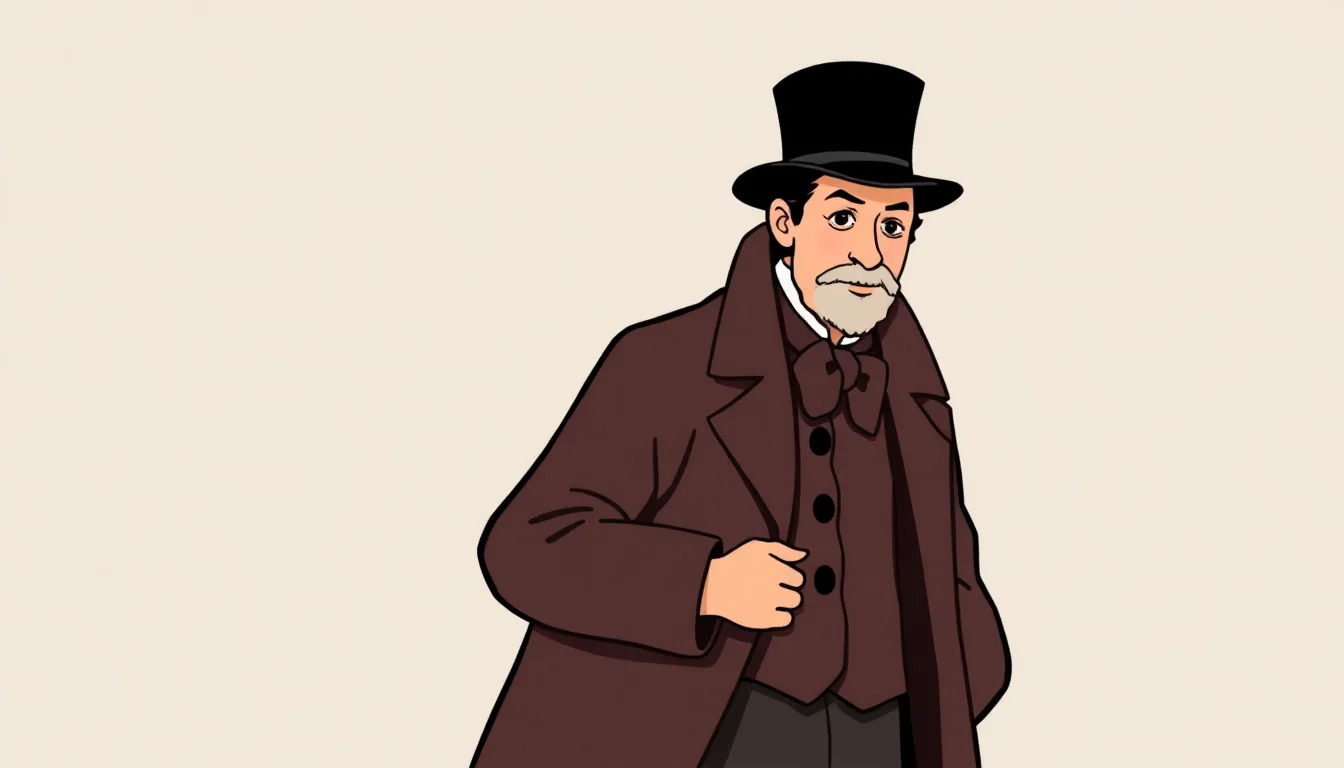
Bob Cratchit, the underpaid and overworked clerk from Charles Dickens' 'A Christmas Carol', has become an iconic symbol of resilience and determination. With a vibe score of 8, Cratchit's character has resonated with audiences for over a century, inspiring numerous adaptations and interpretations. Despite his meager salary of 15 shillings a week, Cratchit's unwavering dedication to his family and his unrelenting optimism in the face of adversity have made him a beloved figure in literary history. The character's influence can be seen in various forms of media, from film and theater to literature and art. As a cultural touchstone, Bob Cratchit continues to captivate audiences, with his story serving as a powerful reminder of the importance of perseverance and compassion. With a controversy spectrum of 2, Cratchit's character remains largely uncontested, with most critics and scholars agreeing on his significance in the literary canon.
📚 Introduction to Bob Cratchit
Bob Cratchit, the beloved character from Charles Dickens' novella A Christmas Carol, has become an embodiment of resilience in the face of adversity. As the clerk of Ebenezer Scrooge, Bob's story is one of struggle, hope, and ultimately, redemption. Through his character, Dickens sheds light on the harsh realities of poverty and the importance of kindness and compassion. The novella, first published in 1843, has become a classic of English literature, with Bob Cratchit at its heart. As a literary figure, Bob Cratchit has been analyzed by scholars such as Marxist critics, who see him as a symbol of the oppressed working class. His story has also been interpreted through the lens of feminist theory, highlighting the struggles of women like Mrs. Cratchit in a patriarchal society.
🎄 A Christmas Carol: The Context
A Christmas Carol, the novella in which Bob Cratchit appears, is a product of its time, reflecting the social and economic conditions of Victorian England. The story, which revolves around the transformation of Ebenezer Scrooge, is a commentary on the social ills of the era, including poverty, inequality, and the exploitation of the working class. Through the character of Bob Cratchit, Dickens humanizes the struggles of the poor, making them relatable and sympathetic to the reader. The novella has been adapted countless times, with film adaptations such as the 1951 version starring Alastair Sim as Scrooge, and stage productions like the annual production at the Globe Theatre. The story has also been influenced by socialist ideas, with some critics arguing that it presents a utopian vision of a more equal society.
👥 The Cratchit Family: A Symbol of Hope
The Cratchit family, with Bob at its center, is a symbol of hope and resilience in the face of poverty and hardship. Despite their struggles, the family remains united and supportive, with Bob's wife, Mrs. Cratchit, playing a crucial role in holding the family together. The character of Peter Cratchit, Bob's son, serves as a reminder of the importance of education and the limited opportunities available to the poor. The family's story is a powerful commentary on the social and economic conditions of the time, highlighting the need for reform and change. The Cratchits have also been seen as a representation of the proletariat in Marxist theory, with their struggles reflecting the broader class struggle. Through their story, Dickens sheds light on the importance of social reform and the need for a more compassionate society.
💼 The Struggles of a Clerk: Bob's Professional Life
As a clerk, Bob Cratchit's professional life is marked by struggle and hardship. His meager salary and limited opportunities for advancement serve as a reminder of the harsh realities of poverty and the limited social mobility of the time. Despite his difficulties, Bob remains dedicated to his work and his family, exemplifying the values of hard work and determination. His relationship with Ebenezer Scrooge, his miserly employer, is a central theme of the novella, highlighting the contrast between the haves and have-nots. The character of Bob Cratchit has been seen as a representation of the working class in literary theory, with his struggles reflecting the broader struggles of the working class. Through his story, Dickens critiques the capitalist system and the exploitation of the working class.
📊 The Economics of Poverty: A Historical Perspective
The economics of poverty, as depicted in the novella, are a powerful commentary on the social and economic conditions of Victorian England. The limited opportunities for social mobility, the exploitation of the working class, and the harsh realities of poverty are all themes that are still relevant today. Through the character of Bob Cratchit, Dickens sheds light on the human cost of poverty, making it a relatable and sympathetic issue for the reader. The novella has been influenced by utilitarian ideas, with some critics arguing that it presents a utilitarian vision of a more equal society. The story has also been seen as a critique of the laissez-faire economic policies of the time, highlighting the need for greater government intervention to address poverty and inequality.
🤝 The Role of Charity: A Double-Edged Sword
The role of charity, as depicted in the novella, is a complex and multifaceted theme. While charity is presented as a means of alleviating poverty and hardship, it is also shown to be a double-edged sword, with the potential to create dependency and undermine dignity. The character of Fred Hollywell, Scrooge's nephew, serves as a reminder of the importance of kindness and generosity, while also highlighting the limitations of charity as a solution to poverty. The story has been influenced by Christian ideas, with some critics arguing that it presents a Christian vision of a more compassionate society. Through the character of Bob Cratchit, Dickens critiques the charity system and the way it can perpetuate inequality.
📚 Literary Analysis: Bob Cratchit as a Symbol
Literary analysis of Bob Cratchit's character reveals a complex and multifaceted figure, embodying both the struggles and the resilience of the working class. As a symbol of hope and redemption, Bob's story serves as a powerful commentary on the human condition, highlighting the importance of kindness, compassion, and empathy. Through his character, Dickens critiques the social and economic conditions of Victorian England, shedding light on the need for reform and change. The character of Bob Cratchit has been seen as a representation of the everyman in literary theory, with his struggles reflecting the broader struggles of humanity. The novella has been influenced by romantic ideas, with some critics arguing that it presents a romantic vision of a more beautiful society.
👨👩👧👦 The Cratchit Children: A Representation of Innocence
The Cratchit children, with their innocence and vulnerability, serve as a reminder of the human cost of poverty and the importance of protecting the most vulnerable members of society. Through their characters, Dickens sheds light on the need for education, healthcare, and social welfare, highlighting the importance of investing in the future of the next generation. The character of Tiny Tim, Bob's youngest son, is a particularly powerful symbol of the impact of poverty on children, serving as a reminder of the need for compassion and empathy. The Cratchit children have also been seen as a representation of the innocent in literary theory, with their struggles reflecting the broader struggles of childhood.
🎅 The Legacy of Bob Cratchit: A Cultural Icon
The legacy of Bob Cratchit, as a cultural icon, is a testament to the enduring power of Dickens' novella. As a symbol of resilience and hope, Bob's story continues to inspire and captivate audiences around the world, serving as a reminder of the importance of kindness, compassion, and empathy. Through his character, Dickens has left a lasting impact on literature and popular culture, influencing countless adaptations, interpretations, and references. The character of Bob Cratchit has been seen as a representation of the hero in literary theory, with his struggles reflecting the broader struggles of the human condition.
📊 Influence and Adaptations: A Lasting Impact
The influence and adaptations of Bob Cratchit's character are a testament to the enduring power of Dickens' novella. From film adaptations to stage productions, Bob's story continues to captivate audiences around the world, serving as a reminder of the importance of kindness, compassion, and empathy. Through his character, Dickens has left a lasting impact on literature and popular culture, influencing countless adaptations, interpretations, and references. The novella has been influenced by postmodern ideas, with some critics arguing that it presents a postmodern vision of a more fragmented society.
Key Facts
- Year
- 1843
- Origin
- A Christmas Carol by Charles Dickens
- Category
- Literary Figures
- Type
- Literary Character
Frequently Asked Questions
What is the significance of Bob Cratchit's character in A Christmas Carol?
Bob Cratchit's character serves as a symbol of hope and resilience in the face of poverty and hardship, highlighting the importance of kindness, compassion, and empathy. Through his story, Dickens sheds light on the human cost of poverty, making it a relatable and sympathetic issue for the reader. The character of Bob Cratchit has been seen as a representation of the working class in literary theory, with his struggles reflecting the broader struggles of the working class.
How does Bob Cratchit's relationship with Ebenezer Scrooge reflect the social and economic conditions of Victorian England?
Bob Cratchit's relationship with Ebenezer Scrooge reflects the harsh realities of poverty and the limited social mobility of the time. As Scrooge's clerk, Bob is exploited and underpaid, highlighting the contrast between the haves and have-nots. Through their relationship, Dickens critiques the social and economic conditions of Victorian England, shedding light on the need for reform and change. The character of Bob Cratchit has been seen as a representation of the proletariat in Marxist theory, with his struggles reflecting the broader class struggle.
What is the significance of the Cratchit family in the novella?
The Cratchit family, with Bob at its center, is a symbol of hope and resilience in the face of poverty and hardship. Despite their struggles, the family remains united and supportive, highlighting the importance of family and community in the face of adversity. The character of Mrs. Cratchit plays a crucial role in holding the family together, serving as a reminder of the importance of women's roles in the family. The Cratchit family has also been seen as a representation of the nuclear family in literary theory, with their struggles reflecting the broader struggles of family life.
How does the novella comment on the social and economic conditions of Victorian England?
The novella is a powerful commentary on the social and economic conditions of Victorian England, highlighting the harsh realities of poverty, the limited social mobility, and the exploitation of the working class. Through the character of Bob Cratchit, Dickens sheds light on the human cost of poverty, making it a relatable and sympathetic issue for the reader. The novella has been influenced by socialist ideas, with some critics arguing that it presents a utopian vision of a more equal society. The story has also been seen as a critique of the capitalist system and the exploitation of the working class.
What is the legacy of Bob Cratchit as a cultural icon?
The legacy of Bob Cratchit, as a cultural icon, is a testament to the enduring power of Dickens' novella. As a symbol of resilience and hope, Bob's story continues to inspire and captivate audiences around the world, serving as a reminder of the importance of kindness, compassion, and empathy. Through his character, Dickens has left a lasting impact on literature and popular culture, influencing countless adaptations, interpretations, and references. The character of Bob Cratchit has been seen as a representation of the hero in literary theory, with his struggles reflecting the broader struggles of the human condition.
How has Bob Cratchit's character been adapted and reinterpreted over time?
Bob Cratchit's character has been adapted and reinterpreted countless times, from film adaptations to stage productions. His story continues to captivate audiences around the world, serving as a reminder of the importance of kindness, compassion, and empathy. Through his character, Dickens has left a lasting impact on literature and popular culture, influencing countless adaptations, interpretations, and references. The novella has been influenced by postmodern ideas, with some critics arguing that it presents a postmodern vision of a more fragmented society.
What is the significance of the character of Tiny Tim in the novella?
The character of Tiny Tim is a powerful symbol of the impact of poverty on children, serving as a reminder of the need for compassion and empathy. Through his character, Dickens sheds light on the human cost of poverty, making it a relatable and sympathetic issue for the reader. The character of Tiny Tim has been seen as a representation of the innocent in literary theory, with his struggles reflecting the broader struggles of childhood. The story has also been influenced by Christian ideas, with some critics arguing that it presents a Christian vision of a more compassionate society.