
Contents
- 🌱 Introduction to Climate Resilient Gardening
- 📍 Location & Access
- 💡 Key Principles
- 🌿 Benefits of Climate Resilient Gardening
- 📊 Comparison with Traditional Gardening
- 🌸 Practical Tips for Gardeners
- 🌻 Managing Climate-Related Risks
- 🌺 Creating a Climate Resilient Garden
- 📚 Resources and Support
- 🌟 Getting Started with Climate Resilient Gardening
- Frequently Asked Questions
- Related Topics
Overview
Climate resilient gardening is an approach to gardening that focuses on creating and maintaining gardens that can withstand the impacts of climate change, such as drought, flooding, and extreme temperatures. This involves using techniques like permaculture, agroforestry, and regenerative agriculture to build soil health, conserve water, and promote biodiversity. By adopting climate resilient gardening practices, individuals can help mitigate the effects of climate change while also creating thriving and resilient ecosystems. For example, using drought-tolerant plants like succulents and cacti can help reduce water consumption, while incorporating compost and mulch can improve soil structure and fertility. Additionally, climate resilient gardening can also involve using innovative technologies like hydroponics and vertical farming to optimize crop yields and reduce environmental impact. As of 2022, climate resilient gardening has become a growing trend, with many organizations and communities around the world promoting its benefits and providing resources and support for gardeners to adapt to a changing climate.
🌱 Introduction to Climate Resilient Gardening
Climate Resilient Gardening is an approach to gardening that focuses on creating gardens that can withstand the impacts of climate change, such as rising temperatures, droughts, and extreme weather events. This approach is essential for gardeners who want to ensure the long-term sustainability of their gardens. By using techniques such as permaculture and regenerative agriculture, gardeners can create gardens that are not only beautiful but also resilient to the challenges posed by climate change. For more information on climate change, visit the Climate Change page. To learn more about sustainable gardening practices, check out the Sustainable Gardening guide.
📍 Location & Access
Climate Resilient Gardening can be practiced anywhere, from small urban gardens to large rural farms. The key is to understand the local climate and to use techniques that are adapted to the specific conditions of the area. For example, gardeners in areas with high temperatures and low rainfall may need to use drought-tolerant plants and water conservation techniques. To learn more about urban gardening, visit the Urban Gardening page. For information on rural gardening, check out the Rural Gardening guide.
💡 Key Principles
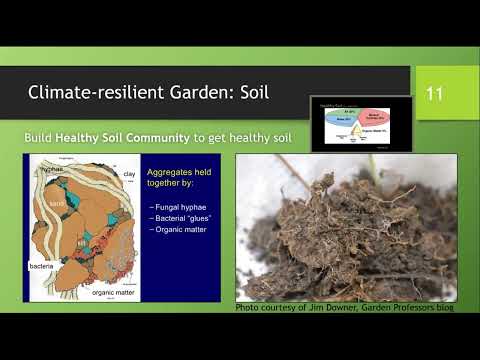
The key principles of Climate Resilient Gardening include biodiversity, soil conservation, and water management. By creating gardens that are diverse and resilient, gardeners can help to mitigate the impacts of climate change. For example, using cover crops and composting can help to improve soil health and reduce the need for fertilizers and pesticides. To learn more about biodiversity, visit the Biodiversity page. For information on soil conservation, check out the Soil Conservation guide.
🌿 Benefits of Climate Resilient Gardening
The benefits of Climate Resilient Gardening are numerous. Not only can it help to mitigate the impacts of climate change, but it can also provide a range of ecosystem services, including pollination, carbon sequestration, and soil erosion prevention. Additionally, Climate Resilient Gardening can help to improve food security and provide a source of fresh, healthy produce. To learn more about pollination, visit the Pollination page. For information on carbon sequestration, check out the Carbon Sequestration guide.
📊 Comparison with Traditional Gardening
Compared to traditional gardening, Climate Resilient Gardening requires a more holistic approach. Rather than focusing solely on the plants, gardeners need to consider the entire ecosystem, including the soil, water, and wildlife. This approach can be more time-consuming and labor-intensive, but it can also provide a range of benefits, including improved soil health and increased biodiversity. To learn more about traditional gardening, visit the Traditional Gardening page. For information on holistic gardening, check out the Holistic Gardening guide.
🌸 Practical Tips for Gardeners
For gardeners who want to get started with Climate Resilient Gardening, there are a range of practical tips and techniques that can be used. For example, using rainwater harvesting systems and grey water systems can help to reduce water consumption. Additionally, incorporating native plants and pollinator-friendly plants can help to improve biodiversity and ecosystem services. To learn more about rainwater harvesting, visit the Rainwater Harvesting page. For information on grey water systems, check out the Grey Water Systems guide.
🌺 Creating a Climate Resilient Garden
Creating a Climate Resilient Garden requires a long-term commitment to sustainability and ecosystem services. Gardeners need to be willing to adapt and evolve their practices over time, as the climate continues to change. By using a range of techniques and strategies, gardeners can create gardens that are not only beautiful but also resilient to the challenges posed by climate change. To learn more about sustainable gardening, visit the Sustainable Gardening page. For information on ecosystem services, check out the Ecosystem Services guide.
📚 Resources and Support
There are a range of resources and support available for gardeners who want to get started with Climate Resilient Gardening. For example, the Climate Resilient Gardening community provides a range of resources and support, including online forums and workshops. Additionally, organizations such as the Permaculture Institute and the Regenerative Agriculture Alliance provide training and certification programs for gardeners and farmers. To learn more about permaculture, visit the Permaculture page. For information on regenerative agriculture, check out the Regenerative Agriculture guide.
🌟 Getting Started with Climate Resilient Gardening
Getting started with Climate Resilient Gardening requires a commitment to sustainability and ecosystem services. Gardeners need to be willing to adapt and evolve their practices over time, as the climate continues to change. By using a range of techniques and strategies, gardeners can create gardens that are not only beautiful but also resilient to the challenges posed by climate change. To learn more about getting started with Climate Resilient Gardening, visit the Getting Started with Climate Resilient Gardening page. For information on sustainable gardening practices, check out the Sustainable Gardening guide.
Key Facts
- Year
- 2022
- Origin
- Global
- Category
- Sustainability
- Type
- Gardening Practice
Frequently Asked Questions
What is Climate Resilient Gardening?
Climate Resilient Gardening is an approach to gardening that focuses on creating gardens that can withstand the impacts of climate change. This approach is essential for gardeners who want to ensure the long-term sustainability of their gardens. By using techniques such as permaculture and regenerative agriculture, gardeners can create gardens that are not only beautiful but also resilient to the challenges posed by climate change. For more information on climate change, visit the Climate Change page. To learn more about sustainable gardening practices, check out the Sustainable Gardening guide.
What are the benefits of Climate Resilient Gardening?
The benefits of Climate Resilient Gardening are numerous. Not only can it help to mitigate the impacts of climate change, but it can also provide a range of ecosystem services, including pollination, carbon sequestration, and soil erosion prevention. Additionally, Climate Resilient Gardening can help to improve food security and provide a source of fresh, healthy produce. To learn more about pollination, visit the Pollination page. For information on carbon sequestration, check out the Carbon Sequestration guide.
How can I get started with Climate Resilient Gardening?
Getting started with Climate Resilient Gardening requires a commitment to sustainability and ecosystem services. Gardeners need to be willing to adapt and evolve their practices over time, as the climate continues to change. By using a range of techniques and strategies, gardeners can create gardens that are not only beautiful but also resilient to the challenges posed by climate change. To learn more about getting started with Climate Resilient Gardening, visit the Getting Started with Climate Resilient Gardening page. For information on sustainable gardening practices, check out the Sustainable Gardening guide.
What are some common challenges faced by gardeners who practice Climate Resilient Gardening?
One of the key challenges of Climate Resilient Gardening is managing climate-related risks, such as droughts, floods, and heatwaves. Gardeners can use a range of techniques to mitigate these risks, including irrigation management and crop insurance. Additionally, using climate-resilient crops and agroforestry systems can help to improve the resilience of the garden. To learn more about droughts, visit the Droughts page. For information on floods, check out the Floods guide.
Are there any resources or support available for gardeners who want to practice Climate Resilient Gardening?
Yes, there are a range of resources and support available for gardeners who want to practice Climate Resilient Gardening. For example, the Climate Resilient Gardening community provides a range of resources and support, including online forums and workshops. Additionally, organizations such as the Permaculture Institute and the Regenerative Agriculture Alliance provide training and certification programs for gardeners and farmers. To learn more about permaculture, visit the Permaculture page. For information on regenerative agriculture, check out the Regenerative Agriculture guide.
How can I learn more about Climate Resilient Gardening?
There are a range of resources available for gardeners who want to learn more about Climate Resilient Gardening. For example, the Climate Resilient Gardening community provides a range of resources and support, including online forums and workshops. Additionally, organizations such as the Permaculture Institute and the Regenerative Agriculture Alliance provide training and certification programs for gardeners and farmers. To learn more about permaculture, visit the Permaculture page. For information on regenerative agriculture, check out the Regenerative Agriculture guide.
What is the difference between Climate Resilient Gardening and traditional gardening?
Compared to traditional gardening, Climate Resilient Gardening requires a more holistic approach. Rather than focusing solely on the plants, gardeners need to consider the entire ecosystem, including the soil, water, and wildlife. This approach can be more time-consuming and labor-intensive, but it can also provide a range of benefits, including improved soil health and increased biodiversity. To learn more about traditional gardening, visit the Traditional Gardening page. For information on holistic gardening, check out the Holistic Gardening guide.