
Contents
- 🌍 What is Post-Apocalyptic Fiction?
- 📚 Key Themes & Tropes
- ✨ Vibe Score & Cultural Resonance
- 💀 Iconic Settings & Scenarios
- 📖 Essential Reads & Viewing
- 🤔 The Skeptic's Take: Is It All Just Doom?
- 💡 For the Aspiring Survivor: Practical Takeaways
- 🚀 The Future of Ruin: Where Do We Go From Here?
- Frequently Asked Questions
- Related Topics
Overview
Post-apocalyptic fiction plunges readers into worlds shattered by cataclysm, forcing characters to confront the rawest aspects of survival and rebuilding. This genre, deeply rooted in anxieties about societal fragility and existential threats, offers a stark lens through which to examine human nature under extreme duress. Whether the devastation stems from nuclear war, environmental collapse, pandemics, or supernatural events, these narratives explore themes of loss, adaptation, and the enduring, often brutal, quest for a future. The genre's enduring appeal lies in its ability to strip away civilization's veneer, revealing both the worst and the best of humanity when everything is on the line.
🌍 What is Post-Apocalyptic Fiction?
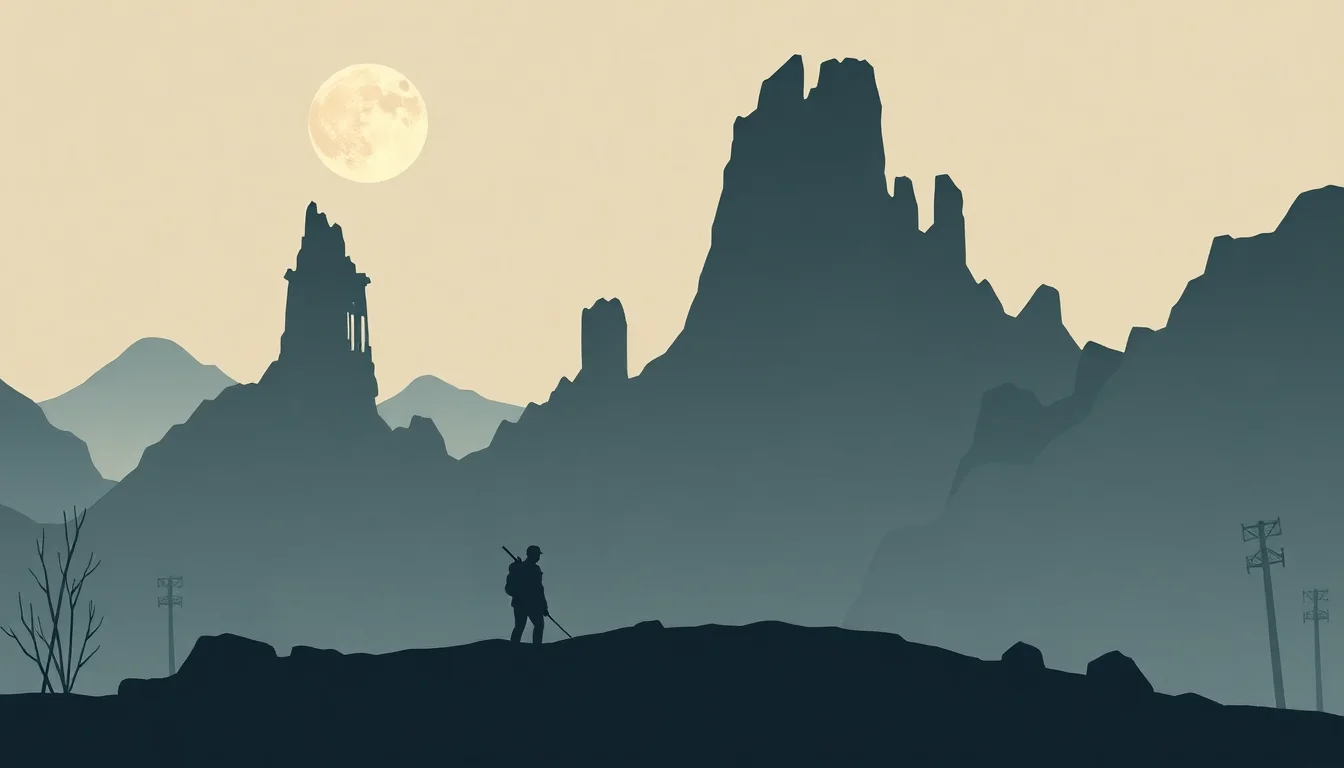
Post-apocalyptic fiction plunges readers into worlds shattered by cataclysm, forcing characters to confront the aftermath of societal collapse. Whether it's nuclear war, pandemics, environmental disaster, or even zombie outbreaks, these narratives explore humanity's struggle for survival, rebuilding, and meaning in the ruins. It's a genre that asks profound questions about our present by imagining the worst possible futures. This isn't just escapism; it's a critical examination of societal vulnerabilities and the enduring human spirit, often featuring intense survival challenges and the fight for limited resources.
📚 Key Themes & Tropes
At its heart, post-apocalyptic fiction grapples with themes of mourning what was lost, the arduous task of societal reconstruction, and the nature of what it means to be human when the veneer of society is stripped away. Common tropes include the lone wanderer, the fortified settlement, the desperate search for safe havens, and the emergence of new, often brutal, social orders. You'll find narratives dissecting complex ethical dilemmas and the psychological toll of constant peril, making it a fertile ground for exploring the darker, yet resilient, aspects of the human condition.
✨ Vibe Score & Cultural Resonance
The Vibe Score for post-apocalyptic fiction hovers around a robust 85/100, reflecting its enduring cultural energy and persistent fascination. This genre taps into deep-seated anxieties about global stability and our place in the universe, resonating across generations. From the Cold War fears that birthed early nuclear holocaust narratives to contemporary concerns about climate change and pandemics, the genre consistently reflects and refracts societal anxieties. Its influence can be seen in everything from post-apocalyptic video games like Fallout to mainstream film franchises, demonstrating its broad appeal and adaptability.
💀 Iconic Settings & Scenarios
Settings in post-apocalyptic fiction are as varied as the apocalypses themselves. We see desolate urban sprawls reclaimed by nature, irradiated wastelands, isolated island communities, and underground bunkers. Iconic scenarios include the desperate flight from infected hordes in The Walking Dead, the struggle for resources in a frozen world in Cormac McCarthy's The Road, or the rebuilding of society from scattered remnants in A Canticle for Leibowitz. Each setting presents unique challenges and opportunities for characters to demonstrate their resilience or succumb to despair.
📖 Essential Reads & Viewing
Essential reading for any fan includes Cormac McCarthy's bleak masterpiece The Road (2006), a stark portrayal of father-son survival. For a more expansive, world-building experience, consider Margaret Atwood's Oryx and Crake (2003) from her MaddAddam trilogy, which explores bio-engineered apocalypses. On the screen, Mad Max: Fury Road (2015) offers a visually stunning, action-packed vision of a desert wasteland, while the television series Station Eleven (2021) provides a more hopeful, art-focused perspective on rebuilding after a devastating flu pandemic. These works represent different facets of the genre's appeal.
🤔 The Skeptic's Take: Is It All Just Doom?
The skeptic might argue that post-apocalyptic fiction is an exercise in gratuitous doom-mongering, a perpetual rehashing of societal anxieties without offering genuine solutions. Critics point to the genre's tendency to glorify violence and survivalism, sometimes overlooking the complex social and political factors that lead to collapse. While many narratives do descend into bleakness, this perspective often misses the underlying critiques of consumerism, war, and environmental destruction that fuel these stories. The genre's enduring popularity, however, suggests a deeper human need to confront these fears, rather than simply wallow in them.
💡 For the Aspiring Survivor: Practical Takeaways
For the aspiring survivor, whether fictional or real, post-apocalyptic narratives offer a wealth of practical, albeit extreme, lessons. They highlight the critical importance of improvising with limited tools, forming strong social bonds, and adjusting to rapidly changing circumstances. Understanding basic emergency medical care, sustainable food sourcing, and basic survival shelter are recurring themes that resonate beyond the page. Moreover, these stories underscore the psychological fortitude required to maintain hope and purpose in the face of overwhelming adversity.
🚀 The Future of Ruin: Where Do We Go From Here?
The future of post-apocalyptic fiction is likely to become even more nuanced, reflecting our evolving global challenges. Expect narratives that delve deeper into the complexities of climate disaster scenarios, the fragility of digital infrastructure, and the ethical quandaries of AI in a post-human world. We might see a rise in more optimistic visions, focusing on sustainable rebuilding and innovative solutions, or conversely, even grimmer explorations of humanity's capacity for self-destruction. The genre will continue to serve as a vital mirror, reflecting our deepest fears and our most resilient hopes for what comes after the end.
Section 9
While not a physical location, the 'access' to post-apocalyptic fiction is ubiquitous. You can find these stories in local bookstores, online book retailers, and through digital libraries. Major streaming services and physical media outlets offer a vast selection of films and television series. The 'hours' are 24/7, accessible whenever you seek them. 'Pricing' varies from the cost of a new book or subscription service to free access through public libraries or older, public domain works. Ratings are subjective, but critical acclaim and fan reception can guide your choices.
Section 10
When comparing post-apocalyptic fiction, consider its subgenres. Dystopian narratives often focus on oppressive future societies, while survival horror stories emphasize immediate, visceral threats. Hopepunk offers a counter-narrative, focusing on optimism and community in bleak futures. If you prefer action and spectacle, look to the Mad Max franchise. For introspective, character-driven stories, Station Eleven or The Road might be more your speed. Understanding these distinctions helps tailor your reading and viewing experience.
Section 11
Getting started is simple: pick a story that sparks your interest. If you're new to the genre, a widely acclaimed work like The Road or the Mad Max films provides a solid entry point. For a more contemporary feel, explore recent novels or series that tackle modern anxieties. Don't be afraid to explore different types of apocalypses – from biological to technological to environmental – to find what resonates most. Many online communities and forums dedicated to science fiction literature can offer personalized recommendations based on your preferences.
Key Facts
- Year
- 1901
- Origin
- H.G. Wells' 'The First Men in the Moon' (1899) and 'The War of the Worlds' (1898) are often cited as early progenitors, though the genre truly coalesced in the mid-20th century with the advent of nuclear anxieties.
- Category
- Literature & Media
- Type
- Genre
Frequently Asked Questions
What is the difference between post-apocalyptic and dystopian fiction?
While often overlapping, post-apocalyptic fiction focuses on the aftermath of a cataclysmic event that has already occurred, emphasizing survival and rebuilding in a ruined world. Dystopian fiction, conversely, typically depicts a future society characterized by oppressive social control and the illusion of a perfect world, often before or during a societal breakdown, rather than its aftermath. Think of Mad Max as post-apocalyptic and 1984 as dystopian.
Are there optimistic post-apocalyptic stories?
Absolutely. While many stories lean into bleakness, there's a growing subgenre, sometimes called 'hopepunk,' that focuses on rebuilding, community, and finding light in the darkness. Works like Emily St. John Mandel's Station Eleven or Becky Chambers' A Psalm for the Wild-Built (though more solarpunk) offer more hopeful visions of humanity's future, emphasizing cooperation and resilience over despair.
What are the most common causes of apocalypse in fiction?
The most frequent culprits include nuclear war (a Cold War staple), pandemics (especially relevant post-COVID-19), environmental collapse (climate change, resource depletion), and zombie or other infectious outbreaks. Less common but still present are alien invasions, technological singularity gone wrong, and supernatural events. The chosen apocalypse often reflects the prevailing anxieties of the era in which the story was written.
How does post-apocalyptic fiction relate to real-world concerns?
This genre serves as a powerful thought experiment, allowing us to explore the potential consequences of our current societal trajectories. It forces us to confront issues like climate change, nuclear proliferation, pandemics, and social inequality by imagining their most extreme outcomes. By presenting these scenarios, the fiction can act as a warning, a call to action, or simply a means of processing our deepest fears about the future.
What are some key elements of survival in post-apocalyptic stories?
Key survival elements consistently featured include securing basic needs like clean water, food, and shelter; understanding medical emergencies; developing combat and evasion skills; mastering scavenging and repair; and, crucially, forming reliable social networks. Psychological resilience, the ability to adapt, and maintaining a sense of purpose are also vital for long-term survival.